Health information grounded in science, not trends.

Month: March 2026 (Page 4 of 4)

Breaking Barriers: How Digital Therapy Is Reshaping Mental Healthcare Access

The Scale of Our Mental Health Crisis

One in every five adults across developed nations now lives with diagnosed anxiety or depression. That’s millions of people trying to get through each day while searching for professional help. The numbers paint a picture of widespread psychological distress that our healthcare systems just can’t handle.

Mental health isn’t some nice-to-have add-on to “real” healthcare. It’s what everything else builds on. Your physical health, your relationships, whether you actually enjoy your life, it all starts here. When your mind is struggling, your body pays the price too. You can’t sleep. Your immune system tanks. That chronic pain gets worse. The connection between mental and physical health goes way deeper than most people get.

Even with all the awareness campaigns and mental health days, actually getting quality care is still a nightmare. The gap between what people need and what’s available affects everyone, from individuals to entire communities. You have to understand how broken this system is before you can start fixing it.

When Traditional Systems Fall Short

Therapist shortages have created appointment backlogs spanning three to six months across the United States, United Kingdom, and Australia. Picture this: you’re having a panic attack today, and the earliest appointment is in December. That’s the reality forcing people to suffer alone or grab whatever help they can find.

The shortage has several causes. Training programs can’t keep up with demand. Therapists burn out and leave the field. Insurance companies pay terrible rates. Rural areas get hit worst, with some places having zero practicing therapists within reasonable driving distance.

These delays don’t just postpone treatment. They make everything worse. Conditions deteriorate, relationships suffer, and preventable crises happen. The ripple effects go way beyond individual pain to hit families, workplaces, and whole communities.

Digital Solutions Rising to Meet the Challenge

Teletherapy platforms now help over five million users who need accessible mental health support. Companies like BetterHelp and Talkspace connect people with licensed therapists through video calls, messaging, and phone sessions. They eliminate distance barriers and usually get you help faster than traditional face-to-face therapy.

Cognitive behavioral therapy apps represent another growing option, especially among younger users who are comfortable with phone-based solutions. The research on how well they work is still mixed, but people keep using them, which suggests they’re filling a real need. They offer immediate support during tough moments and give you structured ways to manage symptoms.

The convenience factor is huge. Sessions from home mean no commute time or childcare juggling. Evening and weekend options work with different schedules. For many people, digital therapy removes embarrassing barriers like sitting in waiting rooms or making excuses to leave work.

Organizations like Mental Health America provide helpful resources for understanding digital therapy options and their potential benefits. But digital solutions aren’t right for everyone, and knowing when you need in-person care is important for both safety and getting better.

Workplace Investment in Mental Wellness

Employer spending on mental health benefits has jumped 40 percent since 2020. Companies finally realize that employee mental health directly affects productivity, retention, and healthcare costs. This spending reflects a real shift in how businesses think about psychological wellbeing.

Employee assistance programs now include comprehensive mental health coverage, stress management workshops, and mindfulness training. Some companies partner with digital therapy platforms to give their workforce immediate access. Others add mental health days and flexible schedules that actually acknowledge psychological health needs.

This corporate recognition validates what people have always known: mental health affects every part of life and work. When employers invest in psychological wellness, they’re investing in human potential and sustainable business practices. The mind-body connection extends into work environments where stress, anxiety, and depression seriously impact performance and job satisfaction.

Emerging Frontiers in Mental Health Treatment

Ketamine and psilocybin therapy clinics are opening across regions where laws allow these innovative approaches. These treatments are completely different from traditional talk therapy and medication management, offering new hope for conditions that haven’t responded to other treatments.

Ketamine therapy, already approved for certain mental health conditions, shows remarkable results for severe depression and suicidal thoughts. Psilocybin research demonstrates promising outcomes for depression, PTSD, and end-of-life anxiety. These therapies work differently than conventional approaches, potentially creating lasting changes through brain plasticity and enhanced therapeutic processing.

These treatments require careful medical supervision and aren’t right for everyone. They’re part of a broader shift toward personalized mental healthcare that recognizes different people may need very different therapeutic approaches. Combining these innovative treatments with traditional therapy and digital support tools creates new possibilities for comprehensive care.

Finding the right mental health support means understanding your options and advocating for what you need. Whether through digital platforms, traditional therapy, workplace programs, or innovative treatments, help exists. Resources like NAMI resources can guide you toward appropriate support for your specific situation. Your mental health matters, and there are now multiple ways to support your journey toward feeling better and building resilience.
Digital Therapy Isn’t a Quick Fix: What the Mental Health Revolution Really Looks Like

The Numbers Don’t Lie About Our Mental Health Crisis

Every fifth adult in wealthy nations now has a formal diagnosis of anxiety or depression. That statistic hits me every time I see it. We’re not talking about occasional stress or bad days here. These are clinical conditions that change everything about how people get through each day.

Digital Therapy Isn't a Quick Fix: What the Mental Health Revolution Really Looks Like
Digital Therapy Isn’t a Quick Fix: What the Mental Health Revolution Really Looks Like

The old idea that mental health struggles are rare or shameful just falls apart when you look at these numbers. But plenty of people still whisper about therapy appointments or hide their medication bottles. This secrecy creates isolation exactly when connection matters most.

Professional help stays frustratingly out of reach for millions of people. Wait times stretch between three to six months across the United States, United Kingdom, and Australia. The therapist shortage isn’t getting better fast enough. When you’re in crisis, six months feels impossible.

Digital Solutions Fill Real Gaps

Technology jumped into this vacuum fast. Platforms like BetterHelp and Talkspace now serve over five million users combined. These aren’t sketchy operations either. They connect licensed professionals with clients who might otherwise go without any care at all.

There’s this persistent myth that digital therapy is somehow “lesser” than in-person sessions. Research tells a different story. Video sessions produce outcomes nearly identical to face-to-face meetings for most conditions. The therapeutic relationship can transcend physical proximity.

Smartphone apps targeting cognitive behavioral therapy have exploded, especially among younger users. Their evidence base is honestly pretty mixed, but engagement rates stay surprisingly high. Some apps provide genuine skill-building tools. Others offer little beyond mood tracking wrapped in pretty design.

The trick is understanding what these tools can and cannot do. Apps are great at teaching coping strategies and providing daily check-ins. They struggle with complex trauma or severe mental illness that needs intensive intervention.

Employers Finally Recognize Mental Health as Healthcare

Workplace mental health spending has jumped 40 percent since 2020. This isn’t corporate kindness. Smart employers figured out that untreated mental health conditions cost more in lost productivity than prevention programs.

Employee assistance programs used to mean a phone number buried in benefits paperwork. Modern offerings include on-site counselors, meditation apps, and flexible mental health days. Progressive companies treat therapy appointments like any other medical care.

But stigma sticks around in many workplaces. Employees worry about career impacts from seeking help. Some managers still view mental health accommodations as weakness rather than medical necessity. Cultural change crawls along, even when policies lead the way.

Breakthrough Treatments Challenge Old Assumptions

Ketamine clinics have opened nationwide as regulations loosen up. Psilocybin therapy trials show remarkable results for treatment-resistant depression. These aren’t recreational drugs with a medical rebrand. They’re serious interventions with real therapeutic potential.

The idea that psychedelic therapies are dangerous or unproven ignores decades of careful research. When given in clinical settings with proper preparation and integration, these treatments often work where traditional approaches fail.

Insurance coverage stays limited for these new approaches. Most patients pay out of pocket for ketamine sessions or psilocybin-assisted therapy. Cost barriers keep these breakthroughs mainly accessible to wealthy people, at least for now.

What Actually Works in Mental Healthcare

Evidence-based treatment combines multiple approaches rather than betting everything on one solution. Medication helps many people achieve stability. Therapy provides tools and insights for long-term wellbeing. Lifestyle changes support both pharmaceutical and psychological interventions.

The myth of the “magic bullet” cure leads people to abandon effective treatments too quickly. Recovery rarely happens overnight. Real progress requires patience, consistency, and often multiple attempts to find the right combination of supports.

Community connection stays irreplaceable despite all the technological advances. Mental Health America emphasizes peer support as a crucial part of recovery. NAMI resources include local support groups that digital platforms can’t fully replace.

Professional guidance helps you navigate the expanding menu of treatment options. Therapists can recommend appropriate apps, evaluate readiness for intensive treatments, and coordinate care across multiple providers. Self-directed healing has limits that professional support can overcome.

Mental healthcare is changing rapidly, bringing both opportunities and confusion. Understanding what works, what doesn’t, and what fits your specific situation takes ongoing education and honest self-assessment. The goal isn’t perfect mental health but sustainable wellbeing and tools to handle life’s inevitable challenges with resilience.

The Sleep Revolution: How High Performance Rest Is Rewiring Our Mental Health

The Sleep Crisis That’s Breaking Our Brains

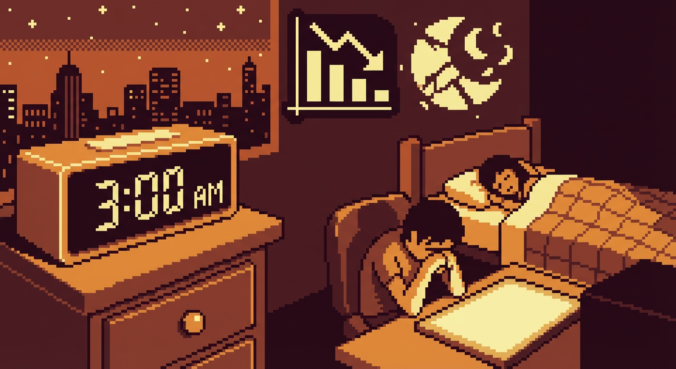
We’re living through a sleep apocalypse, and it’s doing more than making us tired. More than one-third of American adults get fewer than seven hours of sleep nightly, according to CDC data. That’s not just a statistic—it’s millions of people stumbling through life with foggy brains, emotional volatility, and terrible judgment calls.

The Sleep Revolution: How High Performance Rest Is Rewiring Our Mental Health

Sure, economists point to the $411 billion that sleep deprivation costs the US economy annually through lost productivity. But honestly? The real damage happens when you snap at your kids because you’re running on four hours of sleep, or when you can’t focus long enough to read a single page. When we skip sleep, we’re not just tired. We’re walking around with rewired brain chemistry that makes everything exponentially harder.

This isn’t about being weak or disorganized. Sleep deprivation triggers actual neurological changes that sabotage us. Memory formation breaks down. Emotions become unpredictable. Your prefrontal cortex—the part that handles decision-making—basically goes dark. We’re not failing at life. We’re biochemically handicapped.

The Science That Changed Everything

Matthew Walker’s book “Why We Sleep” hit the scene in 2017 and basically rewrote the rules. Walker didn’t just say sleep was nice to have. He proved it’s the cornerstone of human performance, emotional stability, and long-term health. His research showed that sleep affects literally every biological system in ways we never understood.

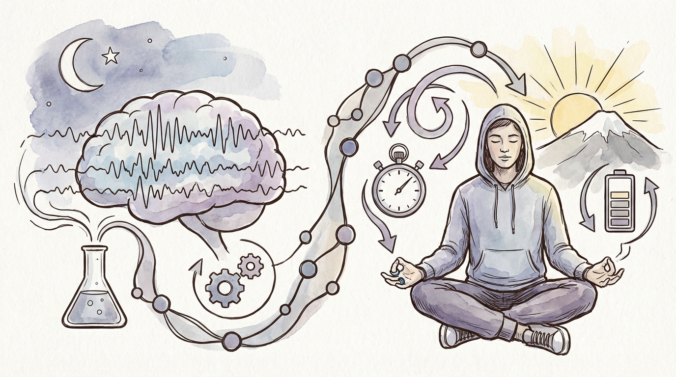
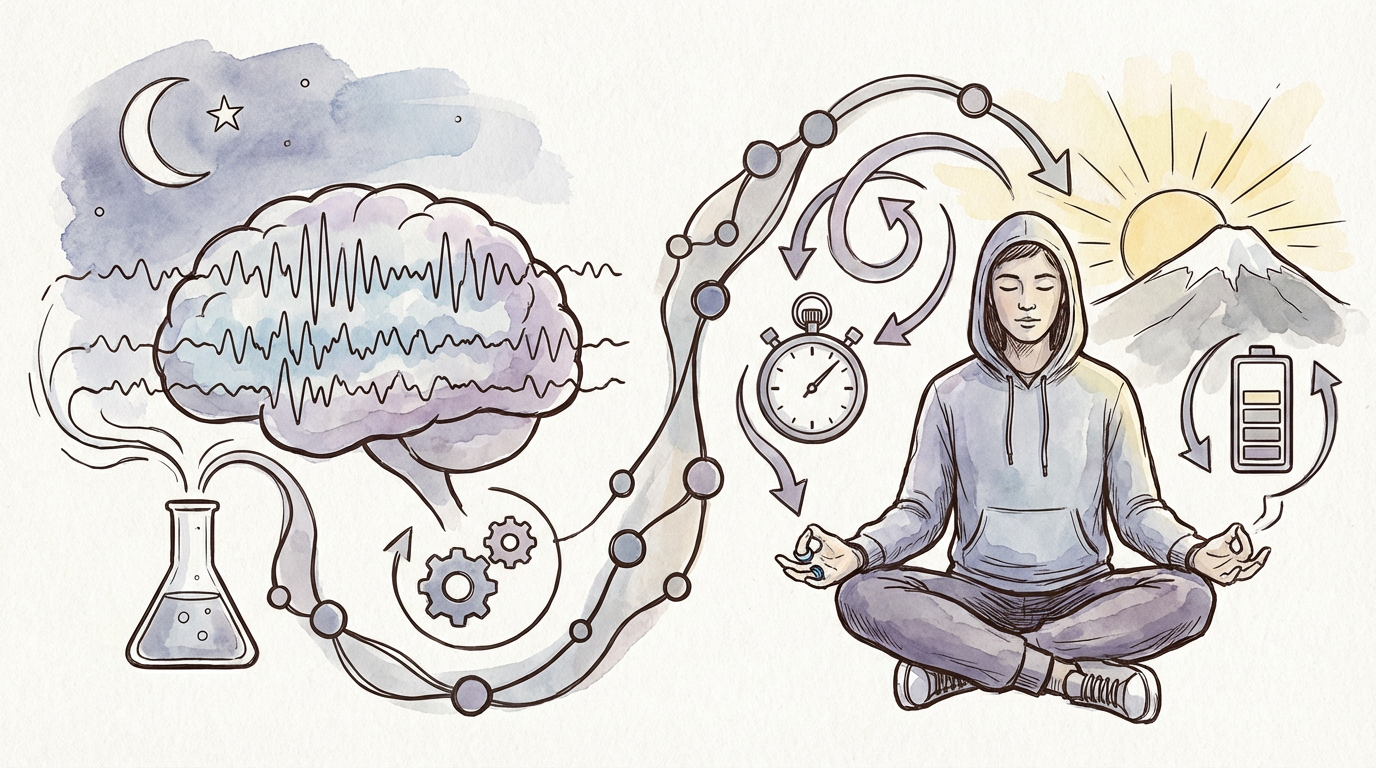
The neuroscience is fascinating and terrifying. While you sleep, your brain runs a cleanup cycle, flushing out metabolic waste and proteins linked to Alzheimer’s. It transfers memories from temporary storage into permanent files. It processes emotional experiences and files them away. Skip sleep, and these systems fail, leaving you vulnerable to immediate brain fog and future cognitive decline.

What makes this research so powerful is how it flips our whole perspective. Sleep isn’t self-indulgent—it’s survival. Sleep Foundation research keeps building on these findings, proving that quality sleep goes way beyond just getting eight hours. Timing matters. Depth matters. Consistency matters.

The Data-Driven Sleep Revolution

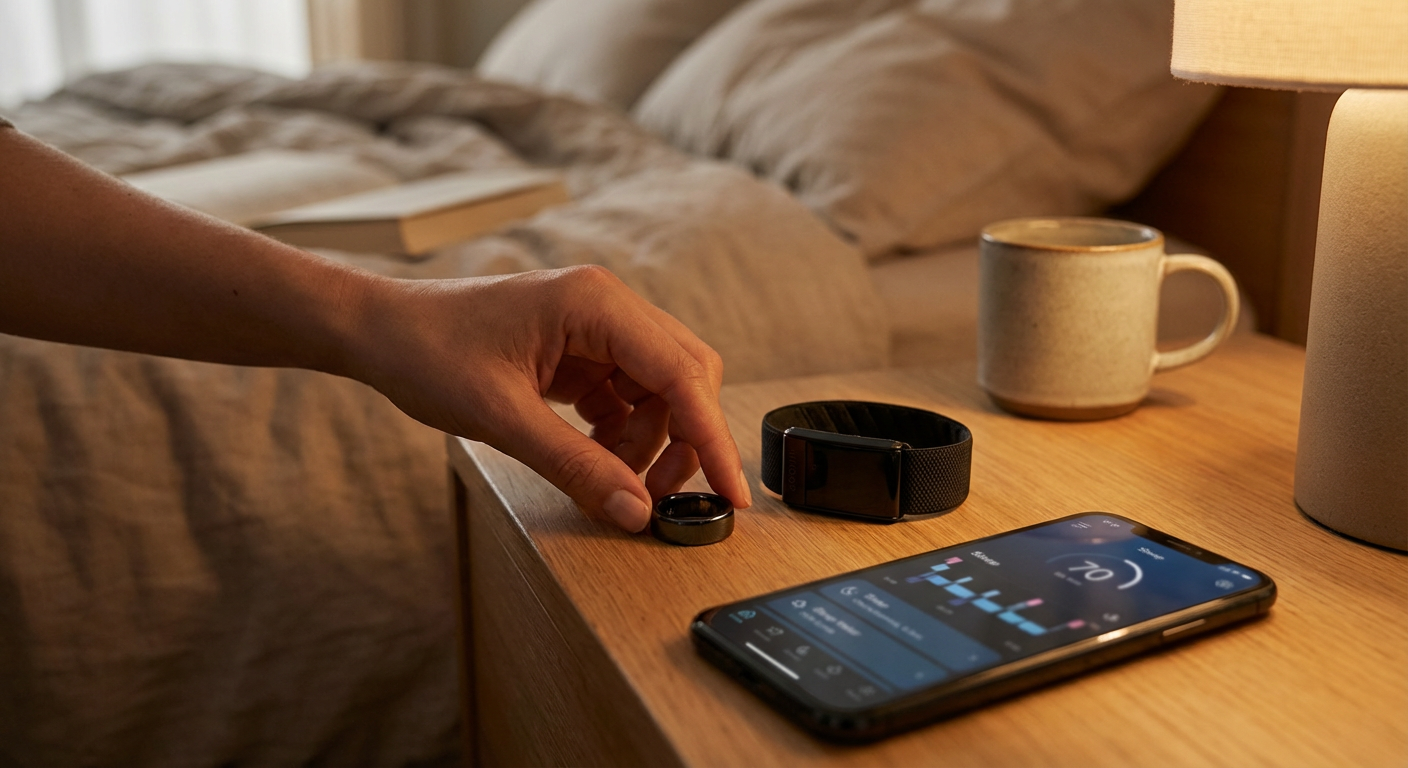
Technology has turned sleep from guesswork into hard science. Devices like the Oura Ring and Whoop are generating data we’ve never had access to before. People aren’t just counting hours anymore. They’re tracking sleep stages, heart rate variability, body temperature, and recovery metrics in real-time.

This data explosion is creating a whole new breed of sleep hackers. People are figuring out their personal sleep DNA. Some discover they’re natural early birds whose brains fire on all cylinders at 6 AM. Others learn their circadian rhythms are hardwired for later bedtimes and wake times. The old “everyone needs eight hours at the same time” advice is dying a well-deserved death.

Chronobiology research backs this up completely. Our internal clocks aren’t cookie-cutter identical. Some people have shorter circadian cycles, others longer. Some are incredibly sensitive to light exposure, others to temperature shifts. Once you understand these differences, you can work with your biology instead of fighting it.

The Mind-Body Integration Movement

High performance sleep goes way beyond just logging enough hours. It’s about engineering conditions that trigger deep, restorative rest. Red light therapy has become surprisingly effective for regulating circadian rhythms. By hitting your eyes with specific light wavelengths, you can actually tell your brain when to pump out melatonin.

Weighted blankets might sound like a marketing gimmick, but they’re legitimate game-changers. The deep pressure stimulation flips your nervous system into relaxation mode, dropping cortisol levels and triggering actual physiological calm. This isn’t wishful thinking—it’s targeted nervous system hacking with measurable results.

The integration goes beyond individual tools though. Huberman Lab sleep protocols show how morning light exposure, evening routines, and temperature control work as a system. Each piece supports the others in a comprehensive approach to rest and recovery.

Mental health professionals are finally putting sleep first instead of treating it as an afterthought. Depression, anxiety, and ADHD all have deep connections to sleep disruption. Fix the sleep quality first, and many people see dramatic improvements in mood, focus, and emotional stability without needing other interventions.

Building Your Sleep Performance System

Creating a high performance sleep system starts with figuring out your personal patterns. Track your natural sleep and wake times for two weeks without setting alarms. Notice when you feel sharp and when your energy crashes. This baseline reveals your chronotype and optimal sleep timing.

Environmental tweaks come next. Complete darkness, temperatures between 65-68 degrees, and consistent bedtime routines tell your brain it’s time to switch into recovery mode. Small changes add up fast. Blackout curtains, blue light blocking glasses, and putting devices away early all improve sleep quality measurably.

The goal isn’t perfection—it’s building consistent habits that improve over time. High performance sleep is a practice, not a box you check once. Some nights will suck. That’s normal. The key is maintaining the systems and routines that support quality rest consistently.

Your sleep impacts everything else in your life. Your mood, your relationships, your mental sharpness, and your long-term health all depend on how well you rest. As this movement keeps evolving, new tools and research will emerge. But the basics stay the same: prioritize sleep, track what works for your specific biology, and treat rest as the foundation for everything else you want to achieve.

Sleep science and the high performance sleep movement: Mind-body integration

This is one of those moments where paying attention changes what you do next. The topic of sleep science and the high performance sleep movement deserves more careful attention than the typical coverage provides, and the reason isn’t complicated once you know where to look.

The part that most people miss is also the part that matters most: sleep deprivation is costing the US economy $411 billion in productivity annually. When you look at mind-body integration, this isn’t just a number. It’s our reality, and honestly, it’s pretty sobering once you examine what the evidence actually shows.

Sleep science and the high performance sleep movement: Mind-body integration

The Integration: Setting the Terms

When the CDC reports that over 35 percent of US adults get under 7 hours of sleep, this isn’t just another data point in the sleep science story. It’s the foundation that makes everything else in this analysis make sense. This kind of context doesn’t age quickly. The conditions that created it have been building for years, and we’re seeing everything converge in a way that makes this moment different from previous ones that looked similar from the outside.

Sleep deprivation is costing the US economy $411 billion in productivity annually.

Matthew Walker’s Why We Sleep has been driving cultural conversations since 2017. Sleep Foundation research has been tracking this consistently.

What makes this moment worth examining carefully isn’t the novelty but the confirmation. I’ve been watching these dynamics for some time. What’s new is that they’ve reached a threshold where ignoring them takes active effort rather than simple inattention. That threshold crossing is the real event, not the underlying movement that got us here.

The Oura Ring and Whoop creating data-driven sleep optimization behaviors is part of that same picture. These elements don’t exist in separate silos, they’re reinforcing conditions in the same structural shift.

Illustration for Sleep science and the high performance sleep movement: Mind-body integration

The Mental Load: The Analysis

The Oura Ring and Whoop creating data-driven sleep optimization behaviors is where this gets more specific. The surface reading is accessible and not wrong, but it misses the mechanism. And the mechanism is where the practical insight lives. The part that most people miss is also the part that matters most: chronobiology research is validating individual differences in sleep timing, and understanding this changes what you do with the information.

Red light therapy and weighted blankets are growing as sleep aid categories.

The skeptical counterargument deserves honest engagement: previous moments with similar surface characteristics didn’t produce the outcomes that seemed logical at the time. That history is real. What’s different now is that red light therapy and weighted blankets are growing as sleep aid categories, which isn’t a minor variable. It’s the infrastructure condition that previous cycles lacked. Infrastructure changes tend to stick around in ways that sentiment-driven changes don’t. Huberman Lab sleep protocols is tracking this with real rigor.

There’s also a distribution question that often gets ignored in sleep science coverage: who captures the value created by these shifts, and who absorbs the disruption costs? The big picture can be positive while the distribution is uneven in ways that matter enormously to specific people. Keeping that lens in view is part of reading the situation clearly rather than just optimistically.

Implications: What This Means If You Care About Burnout

The implications of sleep science and the high performance sleep movement extend beyond the immediate context. The CDC’s report that over 35 percent of US adults get under 7 hours of sleep, combined with the structural conditions I’ve described, creates a situation where adjacent fields, decisions, and communities get affected in ways that aren’t always visible from inside the primary story. The second-order effects are frequently more important than the first-order ones, and they’re where careful attention pays the highest returns.

Evidence-aware but accessible.

The practical question isn’t whether to engage with these dynamics but how. The answer depends on context, on what role you occupy relative to sleep science and the high performance sleep movement, and what your actual decision timeline looks like. But the first step is the same regardless: accurate understanding of what’s actually happening rather than what the most available narrative says is happening.

A few concrete observations are worth separating out from the broader analysis. First: sleep deprivation costing the US economy $411 billion in productivity annually isn’t a temporary condition. It’s a new baseline. Second: chronobiology research validating individual differences in sleep timing suggests that the adjustment period isn’t over. Third, and most important: the organizations and individuals who are treating the current moment as a new steady state rather than a transition are making a mistake that will be costly to unwind later.

The Case Against: What the Critics Get Right

Intellectual honesty requires acknowledging the strongest counterarguments, not just the weakest ones. The case against the optimistic reading of sleep science and the high performance sleep movement isn’t trivial. There are real vulnerabilities in the current picture that deserve direct engagement rather than dismissal.

The most serious objection is about sustainability. Matthew Walker’s Why We Sleep driving cultural conversation since 2017 can be read not as a foundation but as a ceiling, a point beyond which growth becomes self-limiting because of the very dynamics that produced it. If the current state has already incorporated most of the early-adopting participants, the remaining growth curve may be structurally shallower than the recent trajectory implies.

Red light therapy and weighted blankets are growing as sleep aid categories.

Looking Forward

The trajectory here is clearer than the pace. Making predictions about when specific thresholds will be crossed is genuinely difficult, and anyone claiming precision about timelines should be treated with skepticism. But the direction, toward that CDC statistic of over 35 percent of US adults getting insufficient sleep and continued development of the conditions described above, is supported by evidence in a way that doesn’t depend on a single variable going right.

Red light therapy and weighted blankets growing as sleep aid categories is the variable to watch as the leading indicator. Historical patterns suggest it moves first, with broader metrics following with some lag. This doesn’t make the outcome certain, but it makes it readable. And readability is what you need for good decisions.

Three questions are worth holding as this story develops. First: are the structural conditions that enabled the current state durable, or are they cyclical? Second: who is positioned to benefit from the next phase, and does that differ materially from who benefited in the current phase? Third: what would a clean falsification of the optimistic thesis look like, and is there any evidence of that signal emerging? These questions don’t need answers today, but having asked them changes what you notice in the months ahead.

The action from here is straightforward, even when the situation isn’t.

What’s the mental health dimension of physical performance that you think is most underaddressed?

Newer posts »