Health information grounded in science, not trends.

Month: May 2025

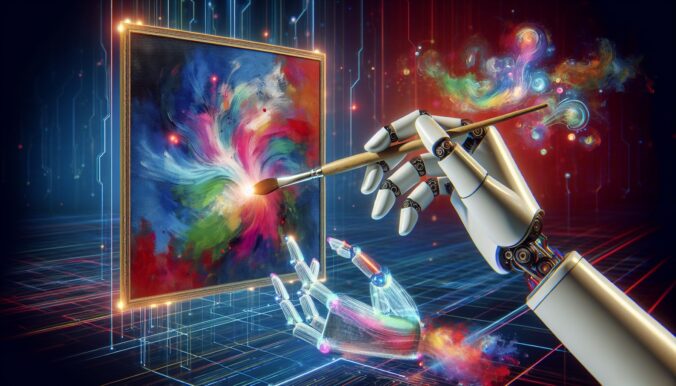
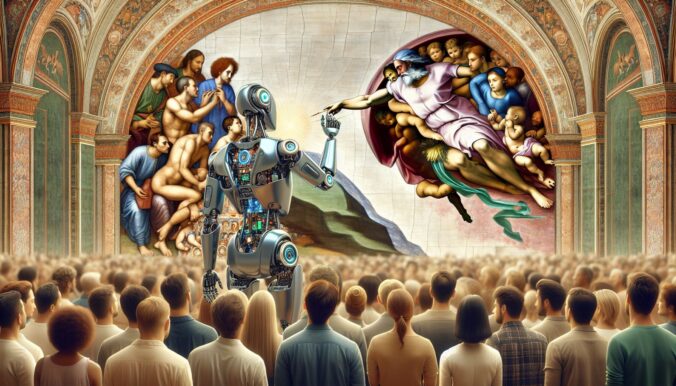
Humans Meet Their Makers: When AI Becomes the Next Michelangelo

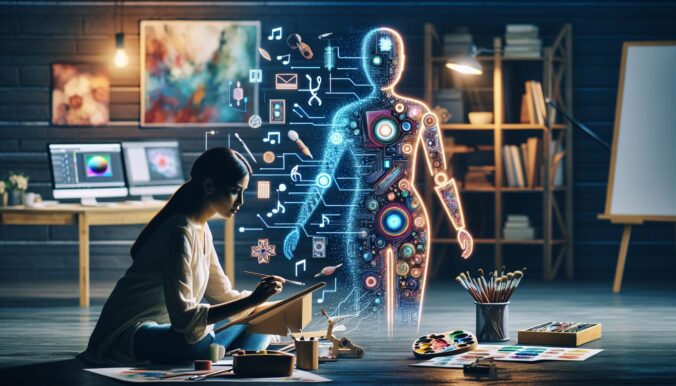
Hi everyone! Clear some space in your brains and your diaries because what’s cooking in the tech world is hot enough to burn but worth every searing excitement. We’re diving head-first into a realm where Machines are more than utility—they’re the new Picassos, the Beethovens, the Tolstoi; yes, today we’re chatting about Artificial Intelligence in the Creative Arts. For anyone skeptical of a techno-utopian vision, this is the surreal renaissance you didn’t see coming.

AI—More Than Just Code

We all watched with slack-jaw awe when AI first composed a Classical piece and most of us raised an eyebrow when it beat us at Jeopardy. That being said, if your knee-jerk reaction is assuming your creative job has an invincible cloak—think again. While they might still shy away from Martini cocktail attire, AIs are officially mingling and making headlines in creative corners. They’re designing haute couture, composing soul-touching music, and sketching starlit murals. AIs are wrapping their silicon ‘minds’ around being genuine trendsetters.

Paintbrushes Go Digital: AI in Visual Arts

A burst of passion and a dash of pixel—the 21st-century paintbrush breathes zeros and ones. What your mind conceives as gorgeous visuals for the next eye-binge session, AIs generate through complex neural networks. Companies like DeepArt and RunwayML are remastering the canvas-bound masters, using techniques that blend randomness, biological patterns, and what you fondly know as Chaos Theory. Imagine creating surrealism like Escher or brooding hyperrealism in Banksy’s most sardonic style—yeah, AI can do that.

Can Errors Actually Foster Wild Creativity?

Here’s where things get interesting. Glitches—those raw “say-what?” moments—have created art bigger than any tactical imagery ever could. Dali knew this, especially when he painted those melting clocks that scattered our imagination. These weren’t ‘mistakes,’ they were designed revolutions that etched themselves into the hallowed halls of art history. Isn’t it fascinating that artists have always savored these unexpected moments, waiting for happy accidents that reveal something profound? Sometimes the most wonderful art comes from embracing the chaos, which eventually creates those carnival moments of curiosity that even Degas would appreciate.

More Soul (and Bytes) From Machines: Music by AI

Hear this, folks—AI is giving tunes a complete makeover. Musicians are now working alongside AI-powered systems that can blend harmonies in ways we never imagined. The technology analyzes patterns from thousands of songs, then creates something entirely new. It’s not just random note generation either. These systems understand rhythm, melody, and even emotional progression. Some of the results are genuinely surprising, creating musical pieces that feel both familiar and completely fresh.

A True Tear-Jerker or All Background Noise?

The big question everyone’s asking: can a machine actually move you to tears? I’ve listened to AI-generated symphonies that gave me goosebumps. Sure, they might lack the personal struggle that drove Beethoven to create his masterpieces, but there’s something haunting about music born from pure mathematical beauty. The compositions often surprise even their creators, finding harmonies that human composers might never think to try.

These machines are sculpting beauty through rich compositions that transcend our immediate expectations, creating sonic experiences that stretch our imagination in completely new directions.

Digital Storytelling: When Computers Try Creative Writing

Your Computer Won’t (Yet) Write “War and Peace” Part Two

Let’s be honest about AI writing. While these systems can churn out decent blog posts and even poetry, they’re still far from replacing Tolstoy. I’ve seen AI attempt short stories, and the results are… mixed. They can nail the technical aspects—proper grammar, decent plot structure, even some clever wordplay. But they often miss the deeper human truths that make great literature stick with you long after you close the book. The emotional authenticity just isn’t there yet. They’re getting better at mimicking human writing patterns, but mimicking isn’t the same as truly understanding the human experience. Still, watching them improve is pretty fascinating, even if they’re not ready to tackle the great American novel just yet.
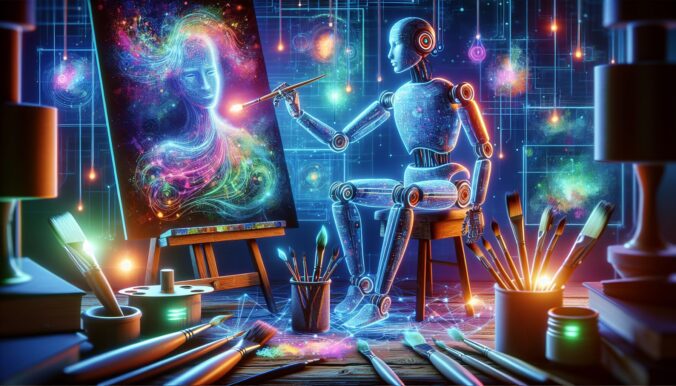
Riding the Circuitboard: Artificial Intelligence in the Creative Arts Renaissance

Hey there fellow tech enthusiasts! Grab a cup of your finest artisan roast and settle in because today we’re exploring something pretty wild: how Artificial Intelligence and the Creative Arts are colliding in ways nobody saw coming ten years ago. It’s happening, folks: tech geeks like us might just find ourselves at the heart of the next big renaissance.

The Unexpected Artist: When Machines Get Creative

When I first heard about AI making art, I rolled my eyes so hard I nearly pulled a muscle. Could a machine ever truly be “creative”? There’s no easy answer to that question, but what I’ve seen lately has me reconsidering everything.

Case in point: GPT-4 and DALL-E. Here we have a language model cranking out short stories that could give some published authors a run for their money, and its visual counterpart creating artwork that’s honestly better than half the stuff I see in galleries. These OpenAI tools have turned creativity into this weird collaborative dance between humans and machines, and I’m not sure how I feel about it yet.

How TikTok’s Algorithm Became the New Music Executive

Remember when we discovered music through radio or that one friend who always knew about bands before they got big? Now TikTok’s AI decides what’s cool based on fifteen-second clips. The algorithm analyzes everything from beats per minute to which songs make people dance like idiots, spotting patterns that predict the next viral hit.

There’s something both fascinating and terrifying about AI making these cultural calls. It’s like letting a really smart robot decide what goes on your Spotify playlist. Could anyone have predicted we’d end up here?

When Artists Collaborate with Code

Why stop at recommending music when AI can create it too? Artists like Holly Herndon have started collaborating with AI to generate musical compositions that push boundaries in ways human composers alone couldn’t manage. You get this interesting mix of human intuition and mathematical precision that creates something genuinely new.

The visual arts are getting the same treatment. Students at Aalto University in Finland worked on a project called ArtSy, using AI to analyze and recreate visual styles in ways that go way beyond simple filters. These aren’t flat, boring computer graphics. They’re layered, complex pieces that actually make you stop and think.

Of course, this whole movement has created some chaos too. The NFT market exploded partly because of AI-generated art, leading to all sorts of debates about what constitutes “real” creativity and who owns what when a machine helps create it.

The Messy Reality of AI Creativity

Look, it’s not all smooth sailing. We’re dealing with some serious questions here. When AI creates something beautiful, who gets the credit? What happens to human artists trying to make a living? And honestly, sometimes the results are just plain weird or problematic in ways the programmers never intended.

There are copyright issues, ethical concerns about training data, and the uncomfortable reality that AI might be really good at mimicking creativity without actually understanding what it’s creating. It’s like watching a really sophisticated parrot that can paint masterpieces but has no idea what a sunset actually means.

Where Do We Go from Here?

So what does this all mean for us tech folks? I think we’re watching the birth of a new kind of creativity, one where the tools are getting smart enough to be creative partners rather than just instruments. It’s exciting and unsettling at the same time.

The artists who figure out how to work with AI rather than against it are probably going to create some incredible stuff. Meanwhile, those of us building these systems need to think harder about the implications of what we’re making. We’re not just writing code anymore; we’re shaping how humans express themselves.

Whether this leads to a true renaissance or just a really sophisticated form of creative automation remains to be seen. But one thing’s certain: the intersection of AI and creativity is going to keep surprising us, and I’m here for the ride.

Cybernetic Imagination: Artificial Intelligence Takes the Creative Arts to New Heights

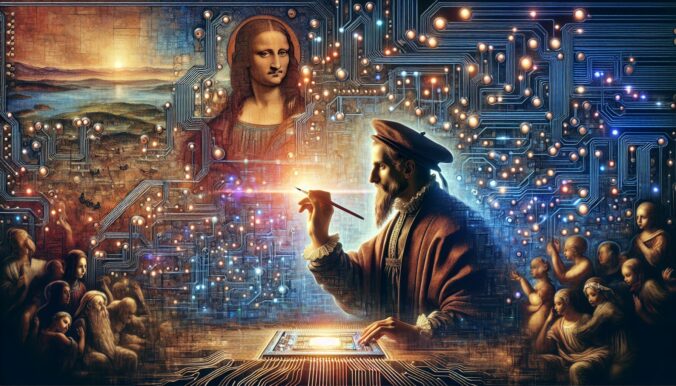
Hey tech enthusiasts! Today I’ve got something that’s been blowing my mind lately, especially if you’re like me and fascinated by how 0s and 1s are crashing into the world of creative arts. We’re talking about AI in creative fields, where algorithms are actually becoming artists and data is creating some seriously wild visuals. If Leonardo da Vinci were around today, I’m pretty sure he’d be tinkering with a Mona Lisa bot in his spare time!

Art by Algorithm: The New Van Gogh?

Let’s start with art galleries, those quiet, intimidating spaces where people stand around squinting at paint splatters and nodding knowingly. Here’s the kicker: the newest sensation hanging on those white walls might not be from a human artist at all, but from a piece of software that’s apparently got great taste in color palettes. AI is seriously shaking up the art world, and collectors are paying serious money for it.

AI-generated artwork goes way beyond just randomly mashing keys on a computer. You’ve probably heard of Google’s DeepDream or Prisma. But the real game-changer is GANs (Generative Adversarial Networks), where two AI systems basically battle it out, one creating images and the other critiquing them until they produce something so surreal that Salvador Dalí would probably grow another mustache curl out of pure jealousy.

Want proof that AI art is legit? “Portrait of Edmond Belamy,” created by Paris-based collective Obvious using AI, sold at Christie’s for $432,500. Yeah, you read that right. That’s a lot of zeros for something made of zeros and ones. Traditional artists are probably having some mixed feelings about that price tag.

Music from the Machine

But we’re not stopping at visual art here. AI is also composing music that actually sounds good, which is pretty wild when you think about how computers used to just make annoying beeping noises. Remember dial-up internet sounds? Thank god those days are over.

Music platforms powered by AI are completely changing how we think about composition. Take OpenAI’s MuseNet, which lets anyone generate songs that blend genres in ways that shouldn’t work but somehow do. Rock meets jazz, orchestral gets mixed with electronic beats. It’s like having a jam session with a really creative robot that never gets tired or argues about what to play next.

Here’s where it gets tricky though. Is AI a helpful tool that makes musicians more creative, or is it going to replace them entirely? Picture this: a guitarist sharing the stage with an AI that can remix songs in real-time. Are we heading toward concerts where the audience can’t tell if they’re cheering for human creativity or machine precision? It’s exciting and a little unsettling at the same time.

Writing: AI Taking Bigger Swings at Literature

And then there’s writing. You might be wondering if robots are about to start cranking out the next Shakespeare. Tools like GPT-3 are already helping writers brainstorm ideas and even generate entire paragraphs based on just a few prompts. It’s like having a writing partner that’s read everything ever written and can help you find the perfect word when you’re stuck.

Some authors are embracing AI as a collaboration tool, using it to overcome writer’s block or explore new narrative styles. Others worry that automated writing will flood the market with generic content. I get both sides. There’s something magical about human creativity that comes from lived experience, emotions, and that messy process of being human. But I also can’t deny that some AI-generated text is genuinely impressive.

So What’s Next: Hopes and Fears

Talking to fellow creatives about this stuff, I hear excitement mixed with genuine concern. On one hand, AI tools could democratize creativity, letting anyone with an idea create art, music, or stories without years of technical training. That’s pretty amazing when you think about it.

On the other hand, there’s the fear that we’re automating away human creativity itself. What happens to artists when anyone can generate a masterpiece with a few clicks? Will we lose something essentially human in our rush to embrace these new tools? And who gets credit (and royalties) when an AI creates something based on millions of existing works it learned from?

Conclusion: Creative Partner or Creative Replacement?

I think we’re still figuring out where AI fits in the creative world. Right now, it feels more like a really sophisticated tool than a replacement for human creativity. The best AI art I’ve seen still needs human input, curation, and that indefinable spark that comes from having actual experiences and emotions to draw from.

But honestly? The technology is moving so fast that I might be completely wrong about where this is headed. Maybe in five years, AI will be creating art that moves us in ways we never expected. Or maybe we’ll find the sweet spot where human creativity and machine capability work together to make something neither could achieve alone. Either way, it’s going to be interesting to watch.

Embracing the Paintbrush of the Future: AI’s Foray into the Creative Arts

Hey, fellow tech enthusiasts! Today, we’re diving into a corner of our digital revolution that’s painting a whole new picture—literally. It’s Artificial Intelligence making its mark on the creative arts. For anyone who’s ever wondered what it’d be like if a machine could match (or perhaps eclipse) the creative genius of Van Gogh or Da Vinci, we’re entering into that territory. Think of this as a front-row seat to AI picking up the paintbrush, the pen, or maybe even the ballet slippers. Ready to see what the brave new world of AI-driven creativity looks like? Let’s jump right in.

A New Muse on the Block: AI and Art

I’m sure you’ve heard of AI by now—it’s been solving problems faster than I can type. But, have you ever imagined it creating something as subjective and soulful as art? Initially, I was skeptical, probably much like you are now. The mere thought of Siri keeping a dream diary felt a bit Silicon Valley meets Salvador Dalí.

However, Artificial Intelligence has and continues to break through in remarkable ways. Platforms like DeepArt and DALL-E 2 (from our friends at OpenAI) have shown that creativity doesn’t belong to humans alone. AI is now learning to mimic artistic styles, combining them in complex ways to output new artworks that, were it not for the clunky CPU language attributed to AI-ridden titles, might happily find themselves framed and hanging in a gallery.

Where Creativity Meets Algorithms: How It Works

So, how does this work exactly? I’ll hold off on pretending to understand neural networks better than I know my own grocery list. But generally, AI creates art using a type of neural system called Generative Adversarial Networks (GANs). For the uninitiated, GANs are like an ongoing debate class. They’re made up of a ‘generator’ that creates something new and a ‘discriminator’ that judges it.

What’s fascinating about this process is the possibility of styles clashing in impossible intersections that normal artistry wouldn’t conceive. Different artistic approaches come together in ways that would make traditional masters scratch their heads. Imagine Picasso’s cubism mixed with Monet’s impressionism, all processed through an algorithm’s interpretation.

Digital Brushes in Broader Strokes: The Applications

Now, we get to the juicy part: applications! From VR-enhanced experiences to digitally curated ad campaigns, AI-generated art extends well beyond being just a curiosity in the art lover’s collection.

Comic Designs Reimagined

AI’s impact on animation opens up endless possibilities for storytelling. We’re talking about illustrated narratives that can shift from childhood nostalgia to epic adventures with the click of a button.

Comic design relies heavily on visual impact and boundless imagination—both areas where AI performs surprisingly well. Studios are now experimenting with AI engines that can generate character designs, backgrounds, and even entire panels based on script inputs. The technology blends traditional craft with digital innovation in ways we’re still figuring out.

Reinventing Marketing Perspectives

The marketing world has taken notice too. AI can generate custom visuals for campaigns, create personalized content at scale, and even develop entirely new aesthetic approaches that human designers might never have considered.

Companies are using AI to create visual content that speaks to different audience segments in ways that feel both fresh and familiar. It’s changing how we think about brand imagery and visual communication across the board.

The Human Question: Implications for Traditional Artists

Here’s where things get complicated. When you introduce the idea that AI can create art, traditional artists understandably get nervous. I’ve talked to several artists about this, and the reactions range from fascination to outright concern about their livelihoods.

Some see AI as just another tool, like Photoshop was in the ’90s. Others worry it might replace human creativity altogether. The truth probably lies somewhere in between. AI can generate images quickly and cheaply, but it lacks the lived experience, cultural context, and emotional depth that human artists bring to their work. At least for now.

What we’re seeing is more collaboration than replacement. Artists are using AI to brainstorm ideas, generate rough concepts, or create base images they can then modify and refine. It’s becoming less about AI versus human creativity and more about how the two can work together.

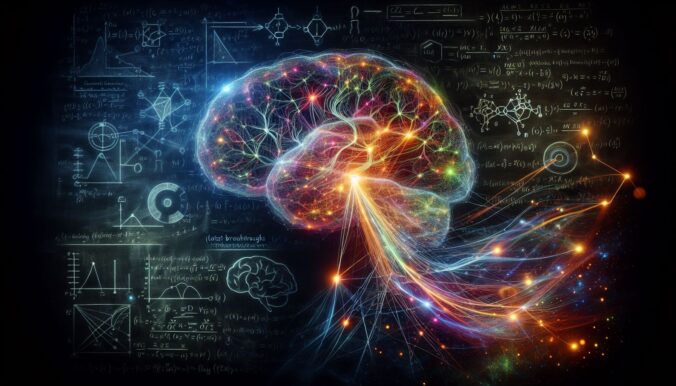
The Big Brain Boost: Exploring the Latest Breakthroughs in Neural Networks

Hey, fellow tech enthusiasts! Today, I want to talk about something that’s been absolutely everywhere in the tech world: neural networks. We’re seeing some crazy advances that remind me of swapping out an old engine for something that purrs like a dream. So grab your coffee and let’s dig into these brain-like systems that are frankly getting a little scary good!

How Neural Networks Got So Smart, So Fast

It all started when AI researchers figured out that neural networks could seriously level up their “neural activity” with massive amounts of training data. You know that moment when calculus finally clicked after you’d been grinding through problem sets for weeks? Neural networks are doing the same thing, except they’re crunching through absurd amounts of data instead of caffeine-fueled study sessions.

The Architecture Revolution

These days, network architecture changes are happening fast. Take Transformers – and I’m talking about the ones that handle sequences and attention mechanisms, not the ones blowing stuff up in Michael Bay movies. Sorry, Optimus Prime. These Transformers are completely changing how we process language digitally. They consume data like it’s going out of style and somehow make sense of it all with impressive accuracy. Remember when natural language processing gave you complete gibberish? Those days feel like ancient history now, thanks to these new architectures.

Training Gets Supercharged

So how did these neural networks get their major upgrade? Enter pre-trained models and transfer learning – basically, models learn the ropes on one task and then become surprisingly good at something completely different. It’s like teaching someone to play piano and discovering they’re also a natural at chess. These model weights work with datasets that are honestly massive. Think of it like how cars evolved from simple gears to Tesla’s sophisticated data processing from millions of road miles.

Real-world Applications That Actually Matter

I know, I know – sometimes AI applications sound like pure hype. But GANs (Generative Adversarial Networks) are creating some genuinely impressive stuff. Film industry folks are finding new ways to blend digital creativity with traditional techniques, and the results are pretty wild.

Neural Networks Meet Art

There’s something fascinating about watching artificial intelligence tackle visual creativity. It remixes colors and creates forms that genuinely catch your eye. Need fresh design work or something with that street art vibe but in digital form? AI’s creative output is producing some seriously cool art without anyone touching a paintbrush.

Healthcare Gets an AI Boost

Medical imaging is where neural networks are really making a difference. Researchers are using these systems to analyze clinical data and spot patterns that might help with diagnosis. The technology works by processing large amounts of medical image data to identify features that could indicate various conditions. It’s still early days, but the potential to catch things doctors might miss is pretty exciting.

Of course, we’re still figuring out how all this fits together in practice. The technology keeps evolving faster than we can fully understand its implications.

The Future Looks Interesting (and Less Scary Than Expected)

If you’d asked sci-fi writers a few years ago what neural networks might become, you’d probably get some pretty dystopian predictions. But the reality seems more nuanced. Modern entrepreneurs are focused on practical applications that solve real problems rather than building some kind of digital overlord. The economic impact is shaping up to be more about enhancing human creativity than replacing it entirely.

Robotics Gets Neural Network Power

The robotics world is integrating AI systems that can adapt and learn from their environment. These aren’t the clunky robots of old – they’re developing more sophisticated ways to interact with the physical world. Machine learning is helping robots understand context better and respond more naturally to changing situations. It’s pretty amazing to watch a robot learn to navigate obstacles or manipulate objects with increasing skill.

And honestly, we’re just scratching the surface here!

Wrapping Up: The Adventure Continues

Look, there’s a lot of excitement around these AI developments, and for good reason. Neural networks are solving problems we’ve been stuck on for years. Sure, there are still challenges to work through – questions about ethics, job displacement, and making sure these systems work fairly for everyone.

But watching this technology develop feels like being part of something genuinely transformative. These neural networks keep surprising us with what they can do, and I’m curious to see where they’ll take us next.

The tech keeps moving fast, and I’m here for the ride. What about you?

Artificial Intelligence Finds Its Groove: How AI is Rocking the World of Creative Arts

Hey there fellow tech enthusiasts! You ever have that moment when you hear an entirely new type of music or see a piece of art that makes your brain almost do a double take? Like, “Did I really just experience that?” These days, many of these mind-bending creations come from artificial intelligences flexing their creative muscles and completely reimagining what art can be.

I’ve been wanting to dig into how AI isn’t just thinking but actually creating—music, art, writing—basically flipping our assumptions about creativity upside down. So buckle in as we explore what I like to call “The AI Renaissance,” where processors meet paintbrushes.

Welcome to the AI Renaissance

Remember when AI was just for crunching numbers or beating chess grandmasters? Those days are over. Now these systems are making art and composing music, flexing creative muscles we didn’t even know they had. Honestly, today’s tech scene feels straight out of those wild sci-fi movies from the ’80s.

Simple atmospheric sounds can transform into mesmerizing electronic compositions, all guided by algorithms. Human artists find themselves collaborating with AI apprentices that remix classics in ways that surprise even the snootiest music critics.

When Pixels Dance: AI in Painting and Visual Arts

Ever stare at a Picasso and wonder what the hell he was thinking with those wonky faces? AI wonders too, but it processes those artistic styles through algorithms and spits out its own interpretations. Platforms like DeepArt and DeepDream have opened the floodgates, using neural networks to turn AI into digital artists.

What gets me is this weird blend of human-like chaos mixed with machine precision. You end up with digital masterpieces that have incredible contrasts and subtle shadows painted from virtual palettes. Watching AI recreate van Gogh’s ‘Starry Night’ with glowing teal swirls feels like some kind of Picasso-in-cyberspace fever dream. Art takes on new meaning when machines enter the studio.

Scribble & Scribe: AI-penned Stories and Texts

Here’s where things get really weird: machines writing stories. Remember when “Could a computer write the Great American Novel?” seemed like pure fantasy? Now we have AI systems trained on countless authors, churning out prose that can fool professional writers.

Take GPT models—these language transformers generate drafts that genuinely impress seasoned authors. Sure, they’re not cranking out Crime and Punishment just yet, but they’re getting scary good at mimicking different writing styles. We’re watching machines inch closer to amateur writer territory, and that raises some fascinating questions about creativity itself.

Tuning In to the Cyber Symphony: AI in Music

Music might be where AI really shines. You’ve got systems like AIVA composing Mozart-style pieces at lightning speed, creating melodies that hit emotional notes in ways we can’t quite explain yet.

Beyond mimicking classical masters, AI is generating entirely new sounds—multi-instrumental pieces that blend genres in ways human composers might never think to try. These aren’t just random noise generators either. The better AI music systems understand rhythm, harmony, and even emotional progression in ways that create genuinely listenable tracks.

A Word of Caution: Challenges and Controversy

But let’s be real—this AI art revolution isn’t all sunshine and rainbows. We’re dealing with some serious questions here. What happens to human artists when machines can create art faster and cheaper? Is creativity still special if it comes from an algorithm?

The debates get heated fast. Artists worry about their livelihoods. Critics argue about what “real” art even means anymore. Copyright lawyers are having field days trying to figure out who owns AI-generated content. And don’t get me started on the ethical mess of training AI on existing artists’ work without permission.

Forward March: The Future of AI in Creative Arts

Despite the controversies, I think we’re just getting started. The most interesting developments happen when humans and AI collaborate rather than compete. Musicians using AI to generate backing tracks. Writers bouncing ideas off language models. Visual artists using AI as a super-powered paintbrush.

We’re probably heading toward a future where AI becomes another tool in the creative toolkit—powerful but requiring human direction and taste. The key will be figuring out how to use these systems to enhance human creativity rather than replace it entirely. That balance won’t be easy to strike, but the potential payoff could be incredible.

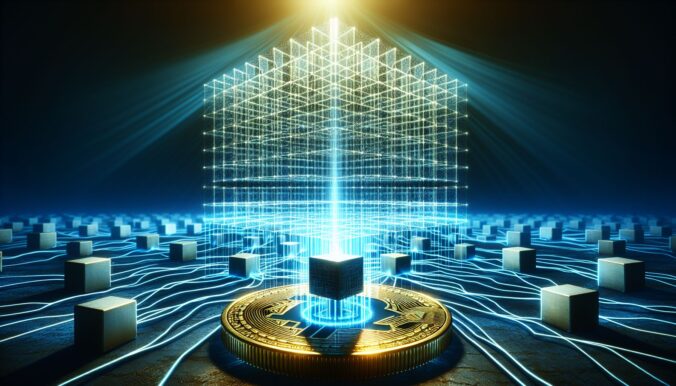
Blockchain Beyond Crypto: Building a Bigger, Better Internet

Hey everyone! Sorry if I sound too excited today, but can you blame me? There’s this quiet revolution happening right now in the tech world. I know when most of you hear “blockchain,” your brain probably jumps straight to crypto drama, Bitcoin price swings, or those NFTs we’d all rather forget. But honestly, there’s way more brewing beneath the surface. So grab whatever beverage gets you through the day because we’re diving into something that could change how the internet actually works.

What Blockchain Actually Does (Beyond Making People Rich or Poor)

Okay, let me break this down without the usual tech bro nonsense. Blockchain is basically a way to create trust between strangers online without needing some big company in the middle calling the shots. Think about it: right now, when you send money, share data, or even post something online, there’s always some corporation sitting between you and whoever you’re trying to reach. They’re taking a cut, storing your info, and basically deciding what you can and can’t do.

Blockchain flips that script. Instead of one company controlling everything, you have this network of computers all keeping track of the same information. No single point of failure. No CEO who can wake up and decide to change the rules. It’s like having a shared notebook that everyone can read, but nobody can secretly edit without everyone else knowing about it.

The Numbers Don’t Lie: This Isn’t Just Hype

Look, I get it. We’ve all heard big promises about revolutionary tech before. But here’s what’s actually happening: major companies are quietly building their infrastructure on blockchain networks. We’re talking about supply chain tracking, digital identity verification, and even voting systems. According to recent industry reports, enterprise blockchain adoption has grown by over 60% in the past two years alone.

The really interesting part? Most people using these systems don’t even know they’re interacting with blockchain technology. It’s just working in the background, making things more secure and transparent. That’s probably how the best tech should work anyway.

Building the Internet We Actually Want

Here’s where things get really interesting. What if you could own your data instead of handing it over to Facebook or Google? What if creators could get paid directly by their audience without platforms taking 30% cuts? What if you could move your digital identity, your purchases, your entire online presence between different services without starting from scratch each time?

This isn’t some far-off sci-fi fantasy. Developers are building these systems right now. Sure, they’re clunky and complicated at the moment, but so was the early internet. I remember when you had to be a computer science major just to send an email. Now my grandmother video calls her friends on the other side of the world like it’s nothing.

Real Talk: It’s Not All Perfect

I’m not going to pretend blockchain solves everything. The technology still has serious problems. It can be slow, energy-intensive, and honestly, a lot of the current applications are solutions looking for problems. Plus, the whole space is still crawling with scammers and people trying to make a quick buck.

But that’s exactly why I think we’re at an interesting moment. The hype bubble has mostly popped, which means the people still working on this stuff are the ones who actually believe in building something useful, not just flipping digital tokens for profit.

The infrastructure is getting better, the tools are becoming more user-friendly, and slowly but surely, we’re seeing real applications that solve actual problems. Will blockchain remake the entire internet overnight? Probably not. But it might give us some better options for how we interact online.

I’ll be keeping an eye on how this develops, and I’ll let you know when I spot something genuinely worth paying attention to. Until then, stay curious and maybe a little skeptical. That’s usually the right balance with any new technology.

ChatGPT: The Creative Partner We Never Knew We Needed

Hey, tech wanderers! Pull up a chair and let’s dive into a realm that most of us probably dreamed about as kids. You know the one: a world where computers not only listen to us but can chew on ideas, spit them back out in crazy insightful ways, and co-author our lives like never before. I probably wrote fan-fic about it and thought, nah, that’s just sci-fi. Fast forward to 2023, and here we are knee-deep in the future! Today, I’m going to chat about something close to my tech-loving heart: AI in the creative arts. Specifically, how ChatGPT and its friends are shaking things up in really wild ways. Sound good? Cool, read on!

The Rise of ChatGPT in Creative Spaces

Alright, first things first, let’s hit rewind. Natural Language Processing has been on this meteor-speed rise, crashing through creative industries like a bull in a china shop. If you’ve been living under a rock (or off Twitter), let me introduce you to the poster child of AI’s creative revolution: OpenAI’s ChatGPT. These language models get trained on oceans of data. I’m talking Wikipedia, WebText, Project Gutenberg, and loads more. Thanks to all that training, they don’t just mimic human language. They predict context and deliver text smoother than a jazz saxophonist. They’re not here to steal the writer’s job or mess with the scriptwriter’s vision, but damn, do they expand their creative toolbox.

When Text Meets Life

Let’s get into the juicy details of how ChatGPT is dancing with storytelling. Picture a neural network that can devour libraries of fiction, non-fiction, chat logs, opinion pieces, and spit them all back out like some kind of literary DJ remix. It does something special with these stories. With every suggestion it makes, it breaks free from old constraints and gives creativity a shot of pure possibility. Until suddenly, one screenplay later, you’re exploring territory no human writer has mapped before.

Look, I’m not sitting here telling you to ditch your word processor. This tool is more like a creativity amplifier for authors. Need help sketching out a rough chapter outline? It’s got you. Want to brainstorm character motivations in seconds? Done. These models take our ideas, our grit, our vision, then help us build infinite universes as diverse as literature itself.

Upgrading Storyboarding with AI

We’ve covered the basics, but creative fiction isn’t just about raw text anymore. We want chaos, fusion, the whole techno-circus of possibilities rather than boring content generators churning out the same old stuff. It gets pretty exciting when films and stories push beyond traditional boundaries.

When Inspiration Strikes

When a novelist watches AI conjuring up fresh ideas, it’s like watching magic happen. You get surreal dialogue possibilities, unexpected plot twists, and story directions that make you think “Holy shit, I never would have gone there.” Companies and creative studios are jumping on this train, using AI-assisted storyboards to open up artistic lives and never-ending creative possibilities. It’s not about replacing human creativity. It’s about cranking it up to eleven.

Why settle for ordinary storytelling? That’s exactly what today’s artists are asking themselves. AI tools are helping creators explore fractured narratives, experimental formats, and visual concepts that would have taken months to develop manually. The technology isn’t just accelerating the creative process. It’s revealing new creative territories we didn’t even know existed.

Challenges: The Creative Control Question

Before we get too carried away with the possibilities, let’s pump the brakes for a reality check. AI creative tools aren’t without their problems. There’s the whole question of originality. When an AI suggests a plot twist based on thousands of existing stories, is that innovation or just really sophisticated recycling? And don’t get me started on the copyright minefield we’re walking into.

The biggest misconception I see floating around is that AI will replace human creativity entirely. That’s bullshit. What we’re really looking at is a new kind of collaboration. The AI brings processing power and pattern recognition. Humans bring emotion, lived experience, and the ability to know when something feels authentic versus when it’s just technically correct.

The Future is Creative Partnership

Here’s where I think we’re headed, and honestly, it’s got me pretty excited. The future isn’t about AI taking over creative work. It’s about humans and AI becoming creative partners in ways we’re just starting to figure out. Picture a novelist who can bounce ideas off an AI that knows every story structure ever written, or a screenwriter who can test dialogue against an AI trained on decades of successful scripts.

We’re still in the early days of this partnership. The tools are getting better every month, and creative professionals are finding new ways to integrate them into their workflows. Some days it feels like we’re building the creative equivalent of the printing press, something that will fundamentally change how stories get told. Other days it feels like we’re just playing with fancy autocomplete. Probably the truth is somewhere in between, but damn if it isn’t fun to find out.

Decoding the Invisible Ledger: The Blockchain Revolution

In the world of tech, we’re often dazzled by buzzwords that promise to reshape our world faster than Elon Musk tweets about Mars. But if there’s one emerging technology that genuinely deserves the limelight right now, it’s blockchain. You know, blockchain has been through quite the image makeover from being Bitcoin’s sketchy sidekick to now starring in promises of a decentralized future. So, hop on this digital ride as we break down the invisible ledger, no overly technical jargon guaranteed.

A Blockchain Primer: More than Just Fancy Vocabulary

Before we jump into all the excitement, let me explain what blockchain actually is without putting you to sleep. Picture a shared notebook that everyone in your group can read, but no one can secretly edit or tear out pages. Blockchain records transactions in blocks that get chained together into tamper-proof collections spread across every computer in its network. It ensures transparency and here’s that fancy word again: immutability.

The cool thing? Trust is no longer about crossing your fingers and hoping banks play fair. Instead, it’s built right into the code, and those annoying middleman fees become yesterday’s problem. Who would’ve thought?

Breaking Ground: Beyond Cryptocurrency, Folks!

Yes, I hear you. Bitcoin and cryptocurrency have hogged the blockchain spotlight like an ’80s diva at a disco. But beyond those headline-grabbing stories, blockchain is quietly working in surprising places. From digital art (that GIF of a dancing cat could actually be collectibly yours!) to supply chains asking “Where the heck is my Amazon package?”

  • Supply Chain: More Than Packing and Unpacking

Remember those E. coli outbreaks that had everyone afraid of lettuce for months? Blockchain could help trace contaminated produce back to its source in minutes instead of weeks. No more playing detective with your salad ingredients.

  • Healthcare Gets Real-time Records

Ever sat in a doctor’s office while they frantically called your previous doctor for records? Blockchain could give you control over your medical data while keeping it secure. Your X-rays, prescriptions, and test results could follow you seamlessly between providers.

  • Energy Trading Goes Local

Imagine selling the extra solar power from your roof directly to your neighbor without going through the electric company. Blockchain networks are making peer-to-peer energy trading possible, turning your home into a mini power station.

Reality Check: Skeptics and Friction Points Galore

But let’s be honest here. Blockchain isn’t some magical solution that fixes everything overnight. The technology burns through energy like a teenager goes through data on an unlimited plan. Bitcoin mining alone uses more electricity than some entire countries.

Then there’s the regulation mess. Governments are still figuring out how to handle this stuff, which makes businesses nervous about jumping in. And don’t get me started on user experience. Most blockchain apps still feel like they were designed by engineers for other engineers.

Looking Ahead: Cautious Optimism

Here’s where I think we’re headed. Blockchain will probably find its sweet spot in specific industries where trust and transparency really matter. Banking, voting systems, intellectual property, that sort of thing. The wild west phase of “blockchain everything!” is cooling down, which honestly might be a good thing.

Will blockchain change everything? Probably not as dramatically as the hype suggests. Will it carve out important niches where it actually makes sense? I think so. The key is figuring out where the technology genuinely solves real problems instead of just being cool for the sake of being cool.