The Sleep Crisis That’s Breaking Our Brains
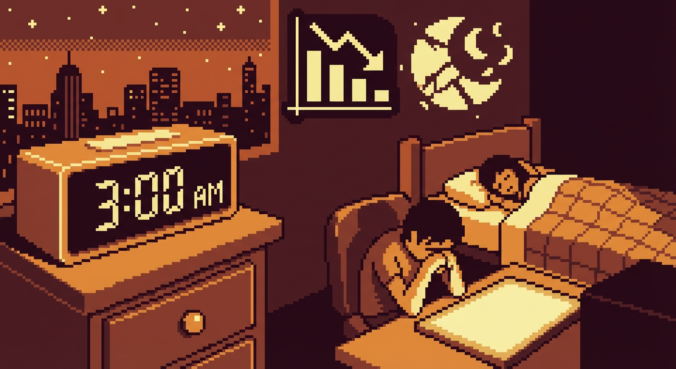
We’re living through a sleep apocalypse, and it’s doing more than making us tired. More than one-third of American adults get fewer than seven hours of sleep nightly, according to CDC data. That’s not just a statistic—it’s millions of people stumbling through life with foggy brains, emotional volatility, and terrible judgment calls.
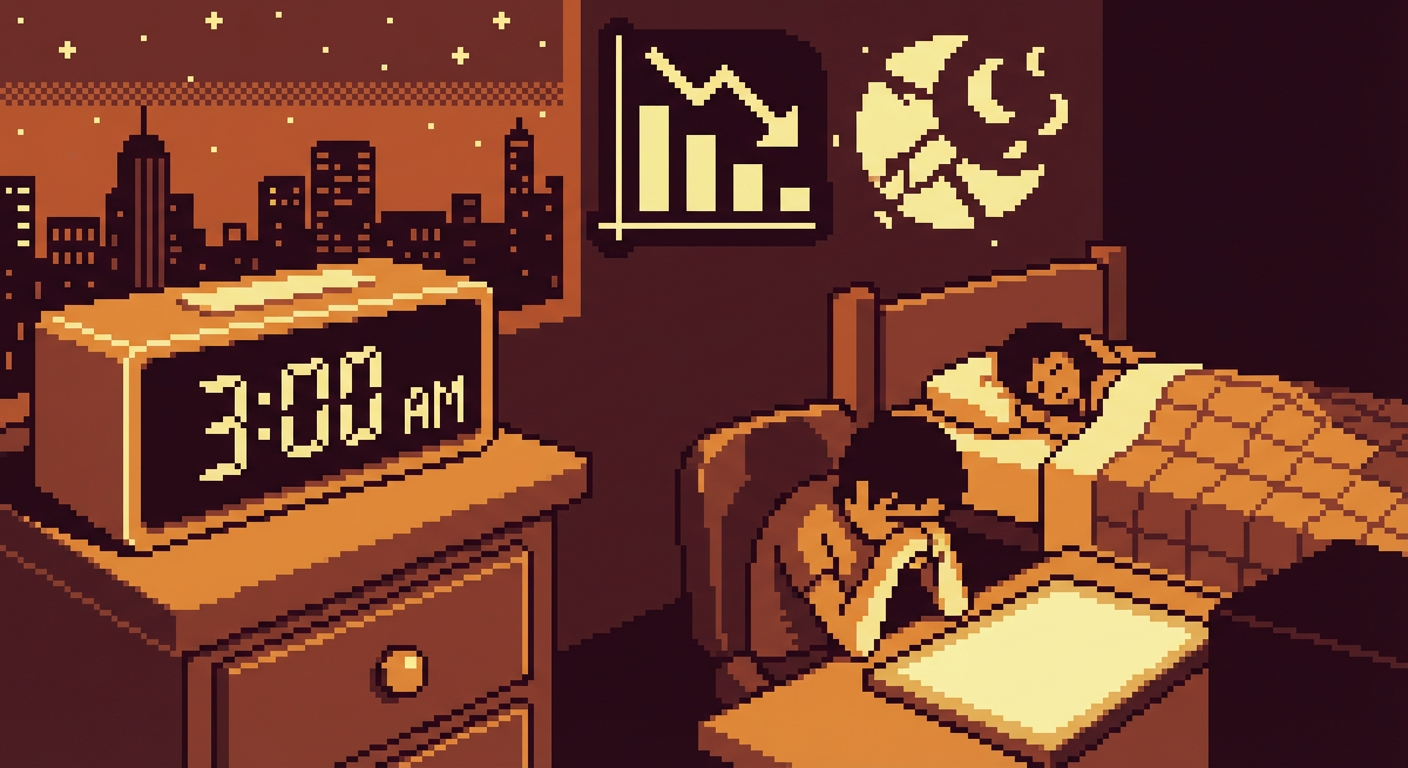
Sure, economists point to the $411 billion that sleep deprivation costs the US economy annually through lost productivity. But honestly? The real damage happens when you snap at your kids because you’re running on four hours of sleep, or when you can’t focus long enough to read a single page. When we skip sleep, we’re not just tired. We’re walking around with rewired brain chemistry that makes everything exponentially harder.
This isn’t about being weak or disorganized. Sleep deprivation triggers actual neurological changes that sabotage us. Memory formation breaks down. Emotions become unpredictable. Your prefrontal cortex—the part that handles decision-making—basically goes dark. We’re not failing at life. We’re biochemically handicapped.
The Science That Changed Everything
Matthew Walker’s book “Why We Sleep” hit the scene in 2017 and basically rewrote the rules. Walker didn’t just say sleep was nice to have. He proved it’s the cornerstone of human performance, emotional stability, and long-term health. His research showed that sleep affects literally every biological system in ways we never understood.
The neuroscience is fascinating and terrifying. While you sleep, your brain runs a cleanup cycle, flushing out metabolic waste and proteins linked to Alzheimer’s. It transfers memories from temporary storage into permanent files. It processes emotional experiences and files them away. Skip sleep, and these systems fail, leaving you vulnerable to immediate brain fog and future cognitive decline.
What makes this research so powerful is how it flips our whole perspective. Sleep isn’t self-indulgent—it’s survival. Sleep Foundation research keeps building on these findings, proving that quality sleep goes way beyond just getting eight hours. Timing matters. Depth matters. Consistency matters.
The Data-Driven Sleep Revolution
Technology has turned sleep from guesswork into hard science. Devices like the Oura Ring and Whoop are generating data we’ve never had access to before. People aren’t just counting hours anymore. They’re tracking sleep stages, heart rate variability, body temperature, and recovery metrics in real-time.
This data explosion is creating a whole new breed of sleep hackers. People are figuring out their personal sleep DNA. Some discover they’re natural early birds whose brains fire on all cylinders at 6 AM. Others learn their circadian rhythms are hardwired for later bedtimes and wake times. The old “everyone needs eight hours at the same time” advice is dying a well-deserved death.
Chronobiology research backs this up completely. Our internal clocks aren’t cookie-cutter identical. Some people have shorter circadian cycles, others longer. Some are incredibly sensitive to light exposure, others to temperature shifts. Once you understand these differences, you can work with your biology instead of fighting it.
The Mind-Body Integration Movement
High performance sleep goes way beyond just logging enough hours. It’s about engineering conditions that trigger deep, restorative rest. Red light therapy has become surprisingly effective for regulating circadian rhythms. By hitting your eyes with specific light wavelengths, you can actually tell your brain when to pump out melatonin.
Weighted blankets might sound like a marketing gimmick, but they’re legitimate game-changers. The deep pressure stimulation flips your nervous system into relaxation mode, dropping cortisol levels and triggering actual physiological calm. This isn’t wishful thinking—it’s targeted nervous system hacking with measurable results.
The integration goes beyond individual tools though. Huberman Lab sleep protocols show how morning light exposure, evening routines, and temperature control work as a system. Each piece supports the others in a comprehensive approach to rest and recovery.
Mental health professionals are finally putting sleep first instead of treating it as an afterthought. Depression, anxiety, and ADHD all have deep connections to sleep disruption. Fix the sleep quality first, and many people see dramatic improvements in mood, focus, and emotional stability without needing other interventions.
Building Your Sleep Performance System
Creating a high performance sleep system starts with figuring out your personal patterns. Track your natural sleep and wake times for two weeks without setting alarms. Notice when you feel sharp and when your energy crashes. This baseline reveals your chronotype and optimal sleep timing.
Environmental tweaks come next. Complete darkness, temperatures between 65-68 degrees, and consistent bedtime routines tell your brain it’s time to switch into recovery mode. Small changes add up fast. Blackout curtains, blue light blocking glasses, and putting devices away early all improve sleep quality measurably.
The goal isn’t perfection—it’s building consistent habits that improve over time. High performance sleep is a practice, not a box you check once. Some nights will suck. That’s normal. The key is maintaining the systems and routines that support quality rest consistently.
Your sleep impacts everything else in your life. Your mood, your relationships, your mental sharpness, and your long-term health all depend on how well you rest. As this movement keeps evolving, new tools and research will emerge. But the basics stay the same: prioritize sleep, track what works for your specific biology, and treat rest as the foundation for everything else you want to achieve.
Recent Comments