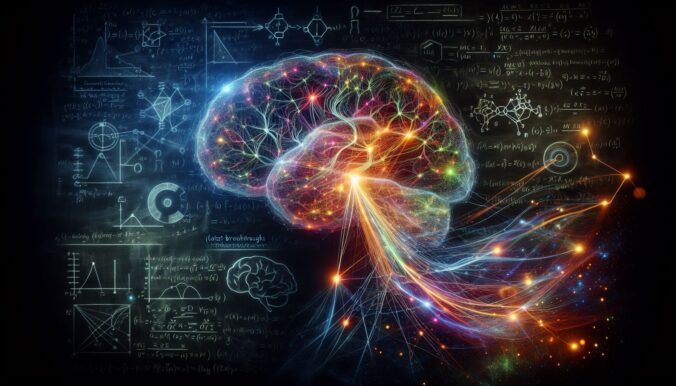
Hey, fellow tech enthusiasts! Today, I want to talk about something that’s been absolutely everywhere in the tech world: neural networks. We’re seeing some crazy advances that remind me of swapping out an old engine for something that purrs like a dream. So grab your coffee and let’s dig into these brain-like systems that are frankly getting a little scary good!
How Neural Networks Got So Smart, So Fast
It all started when AI researchers figured out that neural networks could seriously level up their “neural activity” with massive amounts of training data. You know that moment when calculus finally clicked after you’d been grinding through problem sets for weeks? Neural networks are doing the same thing, except they’re crunching through absurd amounts of data instead of caffeine-fueled study sessions.
The Architecture Revolution
These days, network architecture changes are happening fast. Take Transformers – and I’m talking about the ones that handle sequences and attention mechanisms, not the ones blowing stuff up in Michael Bay movies. Sorry, Optimus Prime. These Transformers are completely changing how we process language digitally. They consume data like it’s going out of style and somehow make sense of it all with impressive accuracy. Remember when natural language processing gave you complete gibberish? Those days feel like ancient history now, thanks to these new architectures.
Training Gets Supercharged
So how did these neural networks get their major upgrade? Enter pre-trained models and transfer learning – basically, models learn the ropes on one task and then become surprisingly good at something completely different. It’s like teaching someone to play piano and discovering they’re also a natural at chess. These model weights work with datasets that are honestly massive. Think of it like how cars evolved from simple gears to Tesla’s sophisticated data processing from millions of road miles.
Real-world Applications That Actually Matter
I know, I know – sometimes AI applications sound like pure hype. But GANs (Generative Adversarial Networks) are creating some genuinely impressive stuff. Film industry folks are finding new ways to blend digital creativity with traditional techniques, and the results are pretty wild.
Neural Networks Meet Art
There’s something fascinating about watching artificial intelligence tackle visual creativity. It remixes colors and creates forms that genuinely catch your eye. Need fresh design work or something with that street art vibe but in digital form? AI’s creative output is producing some seriously cool art without anyone touching a paintbrush.
Healthcare Gets an AI Boost
Medical imaging is where neural networks are really making a difference. Researchers are using these systems to analyze clinical data and spot patterns that might help with diagnosis. The technology works by processing large amounts of medical image data to identify features that could indicate various conditions. It’s still early days, but the potential to catch things doctors might miss is pretty exciting.
Of course, we’re still figuring out how all this fits together in practice. The technology keeps evolving faster than we can fully understand its implications.
The Future Looks Interesting (and Less Scary Than Expected)
If you’d asked sci-fi writers a few years ago what neural networks might become, you’d probably get some pretty dystopian predictions. But the reality seems more nuanced. Modern entrepreneurs are focused on practical applications that solve real problems rather than building some kind of digital overlord. The economic impact is shaping up to be more about enhancing human creativity than replacing it entirely.
Robotics Gets Neural Network Power
The robotics world is integrating AI systems that can adapt and learn from their environment. These aren’t the clunky robots of old – they’re developing more sophisticated ways to interact with the physical world. Machine learning is helping robots understand context better and respond more naturally to changing situations. It’s pretty amazing to watch a robot learn to navigate obstacles or manipulate objects with increasing skill.
And honestly, we’re just scratching the surface here!
Wrapping Up: The Adventure Continues
Look, there’s a lot of excitement around these AI developments, and for good reason. Neural networks are solving problems we’ve been stuck on for years. Sure, there are still challenges to work through – questions about ethics, job displacement, and making sure these systems work fairly for everyone.
But watching this technology develop feels like being part of something genuinely transformative. These neural networks keep surprising us with what they can do, and I’m curious to see where they’ll take us next.
The tech keeps moving fast, and I’m here for the ride. What about you?
Recent Comments