Health information grounded in science, not trends.

Category: Uncategorized (Page 11 of 14)

Why Your Body Remembers Every Weight You’ve Ever Lifted (And How to Use That)

Your nervous system is keeping a detailed record of every squat you’ve ever attempted, every pushup that made you shake, every time you surprised yourself by lifting something heavier than expected. This isn’t poetic metaphor. Your brain literally maps strength patterns, stores movement memories, and builds confidence pathways alongside muscle fibers. When you understand this connection between your mental and physical capacity, progressive strength training becomes less about following a rigid program and more about having an ongoing conversation with your own potential.

The magic happens in that space between “I can’t” and “I did.” But getting there requires more than just adding weight to a bar. It requires working with your nervous system, not against it.

Your Nervous System Is Your Strength Training Partner

Before your muscles ever get stronger, your nervous system learns to recruit them more efficiently. This is why someone can gain serious strength in their first month of training without visible muscle growth. Your brain is literally rewiring itself, creating better communication pathways to your muscles and learning to coordinate movement patterns with less mental effort.

This process feels different for everyone. Some people experience it as suddenly being able to lift something that felt impossible last week. Others notice their form getting smoother, or that they’re not as mentally exhausted after a workout. Dr. Vladimir Zatsiorsky’s research on motor learning shows that these neural adaptations happen fastest when we challenge ourselves consistently but not overwhelmingly.

Here’s what I find fascinating: strength isn’t just physical capacity. It’s confidence made real. Every time you complete a challenging set, you’re not just building muscle. You’re building evidence that you’re capable of more than you thought.

Progressive Overload That Actually Progresses

True progressive overload isn’t about adding five pounds every week until you inevitably plateau or get injured. It’s about systematically increasing the challenge while respecting your body’s adaptation timeline. This might mean adding weight, but it could also mean improving range of motion, increasing time under tension, or adding complexity to movement patterns.

Consider Sarah, who started with bodyweight squats holding onto a doorframe. Her progression looked like this: assisted squats for two weeks, then unassisted bodyweight squats, then goblet squats with a light dumbbell, then gradually increasing that weight while improving her depth. Six months later, she’s front squatting with a barbell. The progression wasn’t linear. It definitely wasn’t just about load.

Research from the National Strength and Conditioning Association shows that the most sustainable strength gains come from varying the stimulus every 3-4 weeks. Your nervous system adapts quickly to repeated challenges, so changing the angle, tempo, or tool keeps both your brain and body engaged in the learning process.

The Psychology of Lifting Heavy Things

There’s a moment in every lifter’s journey when they realize they’re not just moving weight. They’re moving through fear. The mental load of strength training is real and rarely discussed. Every approach to a barbell loaded with more weight than you’ve ever attempted carries emotional weight too.

Your brain’s primary job is to keep you safe, which means it’s constantly calculating risk. When you’re under a loaded barbell, your amygdala is firing signals about potential danger while your prefrontal cortex is trying to maintain focus and technique. This internal dialogue between caution and capability happens with every rep.

Successful strength training requires developing what psychologists call “distress tolerance.” This is your ability to sit with discomfort without immediately trying to escape it. When your muscles are burning during that final rep, your nervous system is learning that you can handle more stress than it initially thought. This lesson carries over into every area of life where persistence matters more than perfection.

Building Your Training Foundation

Start with movement patterns your body already knows how to do. Squatting, hinging at the hips, pushing, pulling, carrying things. These are movements you’ve been practicing since childhood, which means your nervous system already has templates to build on.

Focus on mastering bodyweight versions first. A perfect pushup teaches your nervous system coordination patterns that transfer directly to bench pressing. Bodyweight squats establish the hip and ankle mobility patterns that make barbell squats possible. This foundation work isn’t just preparation for “real” strength training. It is strength training.

When you do add external load, increase by the smallest increment possible. This might mean adding a 2.5-pound plate instead of jumping to the next available weight. Research by Dr. Brad Schoenfeld shows that smaller, more frequent progressions lead to better long-term outcomes than aggressive jumps that often result in form breakdown or injury.

Recovery as Mental Health Practice

Your muscles don’t actually get stronger during workouts. They get stronger during recovery, when your body repairs the microscopic damage from training and builds back stronger. But recovery isn’t just physical. Your nervous system needs time to process the motor patterns you’ve been practicing.

This is why sleep becomes non-negotiable when you’re strength training seriously. During deep sleep, your brain literally cleans itself, flushing out metabolic waste and storing memories. The movement patterns you practiced today become tomorrow’s automatic responses during this process.

Active recovery days have a crucial mental function too. Light movement, stretching, or mobility work gives your nervous system a chance to process and integrate without the stress of performance demands. Think of these days as therapy sessions for your movement patterns.

The next time you approach a weight that challenges you, remember that your body is keeping score in ways that extend far beyond the numbers on the plates. What conversation are you having with your own capability today?


The Cortisol Numbers Game: What Your Stress Hormone Actually Does (And Doesn’t Do)

Your Daily Cortisol Reality Check

Here’s what your cortisol actually looks like on a normal day: it peaks around 8 AM at roughly 15-25 micrograms per deciliter, then steadily drops to about 5-10 by evening. That morning surge? It’s supposed to happen. Your brain literally schedules this hormonal alarm clock to get you moving.

The Cortisol Numbers Game: What Your Stress Hormone Actually Does (And Doesn't Do)
The Cortisol Numbers Game: What Your Stress Hormone Actually Does (And Doesn’t Do)

But here’s where things get concerning. Chronic stress can push those morning numbers up to 30-40 micrograms per deciliter and keep them there all day. That’s not just “feeling stressed.” That’s your body running a metabolic marathon it never agreed to run. The gap between normal and problematic isn’t subtle. You can measure it, track it, and yes, fix it.

Most people think cortisol is the bad guy, but it’s actually your body’s built-in crisis manager. The real problem? When your crisis manager never gets to take a lunch break, let alone go home for the day.

The Numbers That Matter Most

Let’s get specific about what chronic elevation actually costs you. When your cortisol stays consistently above 20 micrograms per deciliter throughout the day, your risk of developing metabolic syndrome jumps by approximately 60%. Your sleep quality tanks in measurable ways. Most people lose 40-50% of their deep sleep phases within just two weeks of sustained elevation.

Your blood pressure tells the same story. Normal cortisol patterns mean your systolic readings vary by about 10-15 points throughout the day. Messed up patterns? You’re looking at swings of 25-30 points. Your cardiovascular system never gets a real break. Your heart basically forgets how to chill out.

The immune system numbers really got my attention. Healthy cortisol rhythms keep your immune cell counts in normal ranges. Chronic elevation can crush lymphocyte production by up to 30%. No wonder stressed people catch every bug that walks by. Your body is literally choosing between managing stress and fighting off whatever your coworker brought to the office this week.

What Actually Moves the Needle

The research on cortisol reduction is surprisingly clear-cut. Regular aerobic exercise (150 minutes per week of moderate activity) can drop your average daily cortisol by 15-20% within eight weeks. That’s not a minor tweak. That’s the difference between your body thinking it’s under constant threat and recognizing it’s actually okay.

Sleep optimization shows even bigger results. Consistent 7-9 hour sleep windows with decent sleep habits can normalize cortisol patterns in as little as two weeks. The magic word here is “consistent.” Your cortisol system loves predictability. Going to bed at 10 PM four nights and midnight the other three? Your hormones treat that like total chaos, because honestly, it kind of is.

Meditation and mindfulness practices have solid numbers backing them too. Eight weeks of regular practice (just 10-20 minutes daily) reduces cortisol by an average of 25%. Brain scans show actual changes in the areas that handle stress response. This isn’t wishful thinking. This is your brain literally rewiring itself to cope better.

Nutrition plays a supporting role with some pretty specific numbers. Omega-3 supplementation at therapeutic doses (2-3 grams daily) can reduce cortisol spikes by about 20%. Dark leafy greens, eaten regularly, give you magnesium that helps cortisol metabolism work properly. The trick is being consistent, not perfect.

The Timeline You Can Actually Expect

Here’s what cortisol recovery actually looks like. Week one: you probably won’t feel dramatically different, but your sleep tracker might start showing tiny improvements in deep sleep percentages. Week two to four: morning energy becomes less of a guessing game. You might notice you’re not desperately clawing for caffeine quite as much.

The six-to-eight week mark is where most people see real changes. Energy stays more stable throughout the day instead of face-planting at 3 PM. Your mood gets more resilient. Those daily annoyances stop feeling like the end of the world. If you’re tracking metrics, this is typically when cortisol measurements show meaningful shifts.

Three months in, the changes become your new normal. Your stress response system has essentially learned new habits. You still react to actual stressors (you’re supposed to), but your default setting shifts from “red alert” to “we’re probably fine.” This is when people often say life feels more manageable, not because their problems disappeared, but because their internal alarm system finally got recalibrated.

Your Personal Stress Management Experiment

I love that understanding these numbers turns stress management from some fuzzy wellness concept into an actual project you can work on. You can track your sleep quality, watch your energy patterns, and notice changes in how you handle daily chaos. You don’t need expensive lab tests to see progress, though they can be useful for setting baselines.

Start with one thing that doesn’t make you want to run away. Maybe it’s setting a consistent bedtime, adding a 20-minute walk to your routine, or trying a simple meditation app. Track how you feel for two weeks, then layer in something else. The goal isn’t becoming a wellness robot. It’s building a system that works with your actual life, not against it.

What part of cortisol management makes the most sense for you right now? Are you thinking about fixing your sleep schedule, curious about the exercise research, or wondering how to make meditation feel less like homework? I’d genuinely love to hear where you’re thinking of starting your own stress management experiment.

Your Sleep Isn’t Broken: Debunking Recovery Myths That Actually Hurt Your Rest

The “More Sleep = More Recovery” Trap

Here’s something that might surprise you: sleeping 12 hours after a tough workout isn’t automatically better than sleeping 8. I know, I know. It sounds counterintuitive, especially when every fitness influencer is preaching about “recovery sleep.” But here’s what actually happens when you consistently oversleep in the name of recovery.

Your body operates on something called a circadian rhythm, and it’s incredibly precise. When you regularly sleep far beyond your natural wake time, you’re actually disrupting the very system that makes quality recovery possible. A 2019 study in the Journal of Clinical Medicine found that people who slept more than 9 hours consistently showed increased inflammation markers compared to those who maintained 7-8 hours of consistent sleep.

The sweet spot for recovery isn’t about duration alone. It’s about consistency and sleep architecture. Your body does most of its repair work during deep sleep phases, which typically happen in the first half of your sleep cycle. Sleeping until noon doesn’t give you more deep sleep. It gives you more light sleep and REM, which are important but won’t speed up muscle repair or reduce exercise-induced inflammation.

Instead of chasing extra hours, focus on protecting those first 4-6 hours of sleep. That’s where most recovery happens. Go to bed at the same time, even on weekends. Your recovery will thank you more than those extra weekend morning hours ever could.

The Blue Light Panic Is Missing the Point

Blue light blocking glasses have become the new must-have recovery tool, right? Wrong. And I say this as someone who genuinely wants you to sleep better. The blue light hysteria has created a massive blind spot that’s preventing people from addressing the real sleep disruptors.

Here’s what the research actually shows: blue light does suppress melatonin production, but the effect is far smaller than most people believe. A 2020 systematic review in Sleep Medicine Reviews found that blue light exposure 2-3 hours before bed reduced sleep quality by about 6 minutes on average. Six minutes. Meanwhile, having your bedroom temperature above 70°F can delay sleep onset by 20-30 minutes, but nobody’s selling expensive thermostats as recovery tools.

The real culprits destroying your recovery sleep are usually much more mundane. Room temperature above 68°F. Inconsistent bedtime routines. Caffeine after 2 PM. Alcohol within 3 hours of sleep. Stress from checking work emails right before bed. These factors can each impact your sleep quality by 30-50%, but they don’t require special products to fix.

By all means, dim your screens at night. It’s a good habit. But don’t let blue light glasses become an excuse to ignore the basics. Your recovery depends on getting the fundamentals right first.

Melatonin Isn’t Your Recovery Sleep Solution

I get why melatonin seems like the perfect recovery hack. Natural hormone, helps you fall asleep, available everywhere. But here’s where things get tricky: most people are using it wrong, taking too much, and expecting it to do things it simply cannot do.

Melatonin doesn’t create recovery sleep. It helps regulate your sleep timing, but it doesn’t improve sleep quality or boost the deep sleep stages where physical recovery happens. Think of it as a dimmer switch for your alertness, not a recovery booster. A 2021 meta-analysis in Sleep Medicine found that while melatonin helped people fall asleep about 7 minutes faster, it had no significant effect on deep sleep percentage or sleep efficiency.

Plus, most people are taking way too much. Those 5-10mg gummies? Your body naturally produces about 0.3mg of melatonin. Taking massive doses can actually disrupt your natural production and leave you groggier the next day. If you’re going to use melatonin, start with 0.5-1mg, taken 2-3 hours before your target bedtime.

The bigger issue is this: if you need melatonin every night for recovery, you’re probably not addressing the real problem. Consistent sleep and wake times, proper light exposure during the day, and a cool, dark sleeping environment will do more for your recovery than any supplement. Fix the foundation before reaching for the band-aid.

Your Pre-Sleep Routine Is Probably Backwards

Every sleep optimization article tells you to create a relaxing bedtime routine, and they’re not wrong. But most people have it completely backwards. They’re trying to wind down from 100 mph to 0 in the 30 minutes before bed, and it’s sabotaging their recovery sleep.

Real sleep optimization starts 3-4 hours before bedtime. This is when your body temperature naturally begins to drop, signaling the start of your sleep preparation phase. Fighting against this natural rhythm by doing intense workouts, eating large meals, or dealing with stressful tasks during this window makes quality recovery sleep nearly impossible.

Here’s what actually works: begin your transition to sleep mode around 7-8 PM if you’re targeting an 11 PM bedtime. Dim the lights gradually. Lower the thermostat to 66-68°F. Stop consuming caffeine, alcohol, and large amounts of food. This isn’t about being perfect. It’s about working with your biology instead of against it.

The last 30-60 minutes before bed should feel boring. Reading, gentle stretching, meditation, or quiet conversation. Save the exciting Netflix series and intense planning sessions for earlier in the evening. Your nervous system needs time to downshift, and recovery sleep depends on starting from a truly relaxed state.

Recovery Sleep Happens During the Day Too

Here’s the myth that might be costing you the most recovery: that nighttime sleep is all that matters. Your sleep quality tonight is largely determined by what you do during the day, especially in the first hour after waking and the 2-3 hours before bed.

Morning light exposure is huge for recovery sleep. Getting 10-15 minutes of natural sunlight within the first hour of waking helps regulate your circadian rhythm and improves deep sleep quality that night. A 2022 study in the Journal of Sleep Research found that people who got consistent morning light exposure had 23% more deep sleep and showed better markers of physical recovery.

Your daytime stress management directly impacts your recovery sleep architecture. Chronic stress elevates cortisol levels, which can suppress growth hormone release during sleep. This hormone is essential for muscle repair and recovery. Simple stress reduction techniques like deep breathing, short walks, or even 5 minutes of gratitude journaling can significantly improve your recovery sleep quality.

Don’t underestimate the power of strategic naps either. A 20-30 minute nap between 1-3 PM can help recovery without disrupting nighttime sleep. Just keep it short and early. Anything longer or later can interfere with your natural sleep drive.

The beautiful thing about optimizing sleep for recovery is that small, consistent changes create big results. You don’t need perfect conditions or expensive gadgets. You need to understand what actually works and give your body the consistent signals it’s designed to respond to. What’s one change you could make to your sleep routine this week? Start there, and let me know how it goes.

Beyond the Eight Glasses: Smart Hydration for the Long Haul

Your Hydration Strategy Needs an Update

Here’s the thing about that “eight glasses of water a day” rule: it’s not wrong, but it’s incomplete. Like telling someone to exercise without mentioning that different bodies need different approaches. The research from the Institute of Medicine shows our fluid needs vary wildly based on activity, climate, body size, and what we’re actually drinking.

Your kidneys are remarkably smart. They can concentrate urine when you’re running low on fluids and dump excess when you’re overdoing it. But they work best when you give them consistent, quality input rather than chugging water at your desk because you suddenly remembered it’s 3 PM and you haven’t had any yet.

The most sustainable hydration habits aren’t about hitting arbitrary numbers. They’re about understanding how different fluids work in your body and building systems that actually stick. Because the goal isn’t perfect hydration for a week. It’s adequate hydration for decades.

The Electrolyte Reality Check

Electrolytes aren’t just for athletes sweating through hour-long workouts. Sodium, potassium, and magnesium help your cells actually use the water you drink. Pure water is great, but if you’re constantly sipping it without any minerals, you might be diluting your blood sodium levels. This is why you can drink tons of water and still feel thirsty.

A 2019 study in the American Journal of Clinical Nutrition found that beverages with small amounts of sodium and carbohydrates were retained better than plain water. You don’t need expensive electrolyte powders. A pinch of sea salt in your water bottle works. So does eating an apple with your water, or having soup for lunch.

The key is balance, not extremes. Your morning coffee counts toward hydration despite the mild diuretic effect. That glass of milk with dinner? Also hydrating, plus it brings protein and calcium along for the ride. Your body doesn’t separate fluids the way marketing departments do.

Food as Hydration Strategy

About 20% of your daily fluid intake comes from food, and some foods are hydration powerhouses. Watermelon is 92% water. Cucumber hits 95%. But here’s what makes food-based hydration interesting: it comes with fiber, which slows absorption and provides steadier hydration than drinking the same amount of water quickly.

Soups are particularly effective because they combine water with sodium and often protein or fiber. A study in Appetite journal showed that people felt more satisfied and hydrated after eating soup compared to drinking the same amount of water and eating the solid ingredients separately. Your brain processes “soup” differently than “water plus food.”

Yogurt, oatmeal, and even cooked grains absorb water during preparation and release it slowly during digestion. This isn’t about replacing all your drinking water with smoothies. It’s about recognizing that hydration happens throughout your day, with every meal and snack.

Timing Beats Volume Every Time

Your body can only absorb about 8-10 ounces of fluid per hour during normal activities. Drinking a huge bottle of water at lunch doesn’t make up for being dehydrated all morning. It just means you’ll be making frequent bathroom trips while your kidneys work overtime.

Better strategy: consistent sipping. Keep a water bottle visible and take small drinks regularly. Have a glass of water when you wake up, because you just went 6-8 hours without any fluid intake. Drink something with meals to help digestion. Notice your thirst cues before they become urgent.

Pre-hydrating matters more than post-hydrating. If you know you have a long meeting or flight coming up, start drinking extra fluids an hour beforehand, not after. Research from the International Journal of Sport Nutrition shows that starting activities in a well-hydrated state is more effective than trying to catch up later.

Pay attention to your urine color as a simple check-in. Pale yellow means you’re doing fine. Dark yellow suggests you need more fluids. Clear might mean you’re overdoing it. This isn’t about perfection or hourly monitoring. It’s about developing awareness over time.

Building Your Personal Hydration System

The best hydration strategy is the one you’ll actually follow for years. Maybe you’re someone who does better with reminders on your phone. Maybe you need a water bottle that makes drinking feel more enjoyable. Some people thrive with herbal teas throughout the day. Others prefer room temperature water to cold.

Think about your actual life patterns. If you’re constantly in meetings, you need a strategy that doesn’t require bathroom breaks every hour. If you exercise regularly, you need to account for increased fluid losses. If you drink coffee or alcohol regularly, you might need slightly more water to offset their mild diuretic effects.

Track for a few days, not to become obsessive, but to notice patterns. When do you typically feel thirsty? When do you forget to drink anything for hours? What beverages do you actually enjoy? The CDC recommends listening to your body’s thirst signals and drinking when you feel thirsty, which sounds simple but requires paying attention.

Start small and build gradually. Add one extra glass of water to your morning routine. Try having herbal tea in the afternoon instead of reaching for more coffee. Notice how different beverages affect your energy and sleep. Small, consistent changes beat dramatic overhauls that last three weeks.

What’s your biggest hydration challenge right now? The one thing that trips you up consistently? I’d love to hear about the strategies that work (or don’t work) in your actual daily life, not just in theory.

Why “Eating Every 3 Hours” Won’t Actually Speed Up Your Metabolism

The Metabolism Myth That Just Won’t Die

You’ve heard it everywhere. From fitness magazines to that one coworker who swears by their protein bars. The idea that eating small, frequent meals every few hours will “stoke your metabolic fire” and help you burn more calories throughout the day. It sounds logical, right? Keep feeding the furnace to keep it burning hot.

Why "Eating Every 3 Hours" Won't Actually Speed Up Your Metabolism
Why "Eating Every 3 Hours" Won’t Actually Speed Up Your Metabolism

Here’s the thing though. Your metabolism doesn’t work like a campfire that dies down without constant fuel. Multiple studies, including a comprehensive 2010 review in the British Journal of Nutrition, have shown that meal frequency has virtually no impact on your total daily energy expenditure. Whether you eat three meals or six meals with the same total calories, your metabolic rate stays basically the same.

The confusion comes from something called the thermic effect of food. Yes, you do burn a small number of calories digesting meals. But this effect is proportional to the size of the meal, not how often you eat. Three large meals create the same thermic effect as six small ones with identical total calories.

What Actually Matters: The Quality Question

While meal timing doesn’t dramatically alter your metabolism, it can impact something far more important: the nutrient density of your food choices. When you’re constantly thinking about your next meal or snack, you often reach for convenient options. And convenient rarely means nutrient-dense.

Think about this scenario. You’re following the “eat every three hours” rule, so you need something quick at 3 PM. You grab a granola bar with 150 calories. Later, at your actual dinner, you have less room for the roasted vegetables and lean protein your body actually needs. You’ve technically eaten more frequently, but you’ve crowded out nutrients with empty calories.

Research from the American Journal of Clinical Nutrition shows that people who eat fewer, more substantial meals tend to include more vegetables, fruits, and whole foods per eating occasion. There’s something about sitting down to a proper meal that encourages better choices than quick snacks between meetings.

The Real Benefits of Strategic Meal Timing

This doesn’t mean meal timing is irrelevant. It just means the benefits aren’t what most people think they are. The real advantages of thoughtful meal timing relate to blood sugar stability, hunger management, and aligning your eating patterns with your daily energy needs.

For instance, eating protein and fiber together creates sustained satiety that lasts 4-6 hours for most people. This natural rhythm can prevent the blood sugar roller coaster that leads to afternoon crashes and late-night cravings. A study in the Journal of Nutrition found that people who ate larger, protein-rich breakfasts naturally ate fewer total calories throughout the day without consciously restricting intake.

Your circadian rhythm also plays a role here. Your body’s insulin sensitivity naturally peaks in the morning and declines throughout the day. This means your body handles carbohydrates more efficiently earlier in the day. It’s not about speeding up metabolism, but about working with your body’s natural processes rather than against them.

Building Nutrient Density Into Your Day

Instead of watching the clock, focus on maximizing the nutritional punch of each meal. This approach naturally leads to better timing because nutrient-dense foods keep you satisfied longer. A meal built around vegetables, quality protein, healthy fats, and fiber-rich carbohydrates will sustain you for hours without the need for constant refueling.

Start with vegetables at each meal. Not as a side dish you grudgingly eat, but as the foundation. Half your plate, minimum. Then add your protein source, whether that’s beans, fish, chicken, or tofu. Include some healthy fats like avocado, nuts, or olive oil. These components work together to slow digestion, stabilize blood sugar, and provide sustained energy.

The magic happens when you stop thinking about restriction and start thinking about addition. Instead of cutting out foods, crowd them out with better options. When your meals are satisfying and nutritionally complete, the desire to snack every few hours naturally diminishes.

Making It Work in Real Life

The best eating pattern is one you can actually maintain. For some people, this might mean three solid meals. Others do better with four smaller meals. Some thrive on intermittent fasting approaches. The key is finding what helps you make consistently good food choices without creating stress or obsession around timing.

Pay attention to your hunger and energy patterns. Do you wake up hungry or prefer to ease into eating? Are you someone who gets hangry between meals or do you forget to eat when busy? These personal patterns matter more than any universal rule about meal frequency.

If you’re currently eating every few hours and it’s working for you, there’s no need to change. But if you’re forcing yourself to eat when you’re not hungry because someone told you it would boost your metabolism, you can relax. Focus instead on making each eating occasion count nutritionally.

Remember, sustainable health changes happen when you work with your preferences and lifestyle, not against them. The goal isn’t perfect meal timing. It’s consistent access to foods that nourish your body and support your energy throughout the day. What questions do you have about finding your own optimal eating rhythm? I’d love to hear what’s been working for you or what you’re still figuring out.

Your Brain on Empty: Why Hydration Is Mental Health Care

When Your Mind Feels Foggy, Check Your Water Bottle First

Here’s something that might blow your mind: that afternoon brain fog you blame on too much screen time? The irritability that creeps in around 3 PM? The way your thoughts feel like they’re swimming through molasses? Your brain might just be thirsty.

Your Brain on Empty: Why Hydration Is Mental Health Care

Your brain is roughly 75% water, and it’s incredibly sensitive to even mild dehydration. A 2019 study published in the Journal of Nutrition found that losing just 1.4% of body water significantly hurt mood and concentration in young women. We’re talking about the equivalent of skipping your morning glass of water. Your brain notices before your mouth feels dry.

But here’s where it gets interesting. While water is essential, your brain has specific needs that plain water can’t always meet. Think of hydration like feeding your brain’s electrical system. Without the right balance of electrolytes and nutrients, those neural pathways start misfiring.

Illustration for Your Brain on Empty: Why Hydration Is Mental Health Care

The Electrolyte Connection: More Than Just Sports Drinks

Electrolytes aren’t just for athletes sweating through marathons. Sodium, potassium, and magnesium keep your nervous system running. They’re what allow your neurons to fire properly, your muscles to contract, and your thoughts to flow smoothly from one to the next.

When you’re stressed, your body burns through magnesium faster than a teenager goes through data. Low magnesium levels are linked to anxiety, depression, and that wired-but-tired feeling that no amount of coffee seems to fix. A simple way to support this? Add a pinch of high-quality sea salt to your water, or try coconut water, which naturally has potassium and magnesium.

Skip the neon sports drinks loaded with artificial colors and corn syrup. Instead, try making your own electrolyte blend: water with a squeeze of lemon, a pinch of sea salt, and a splash of coconut water. Your brain will thank you, and your taste buds won’t feel assaulted.

Herbal Allies for Your Nervous System

Here’s where hydration becomes self-care ritual. Herbal teas aren’t just warm comfort in a mug. They’re delivering compounds that directly support your nervous system while keeping you hydrated.

Chamomile has apigenin, which binds to the same brain receptors as anti-anxiety medications, but gently. Passionflower has been shown in studies to be as effective as some prescription anxiety medications for mild anxiety. L-theanine in green tea promotes calm focus without drowsiness. These aren’t placebo effects. They’re real, measurable impacts on your brain chemistry.

The ritual matters too. Taking five minutes to steep tea, inhaling the steam, feeling the warmth in your hands, this activates your parasympathetic nervous system. You’re literally teaching your body to relax while you hydrate. It’s multitasking at its finest.

Try this: keep a variety of herbal teas at your desk. When you notice stress building, make it a practice to brew tea instead of reaching for another coffee. Watch how this small shift changes not just your hydration but your entire emotional landscape.

Timing Matters: The Hydration-Stress Connection

Your stress response and hydration status are more connected than you might think. When you’re dehydrated, your body produces more cortisol, your primary stress hormone. When you’re stressed, you forget to drink water and breathe shallowly, which further dehydrates you. It’s a cycle that can spiral quickly.

Breaking this cycle requires strategic timing. Start your day with 16-20 ounces of water before coffee. This isn’t about following rules. It’s about giving your brain what it needs to handle whatever the day throws at you. Your cortisol naturally peaks in the morning, and proper hydration helps regulate this response.

During stressful periods, set gentle reminders to drink something nourishing every hour. Not just water, alternate with herbal teas, broths, or water with a splash of tart cherry juice (which has natural melatonin precursors). You’re not just preventing dehydration. You’re actively supporting your nervous system through challenging times.

Beyond the Basics: Broths, Adaptogens, and Liquid Nutrition

Sometimes your body needs more than water, and that’s completely normal. Bone broth isn’t trendy nonsense. It’s liquid nutrition that provides glycine, an amino acid that supports both gut health and neurotransmitter function. When you’re going through difficult times, sipping warm broth can feel like getting a hug from the inside.

Adaptogenic teas deserve a mention here too. Ashwagandha tea has been shown to reduce cortisol levels by up to 30% in some studies. Holy basil (tulsi) helps regulate blood sugar while supporting stress resilience. These aren’t miracle cures, but they’re gentle, research-backed tools that work while you hydrate.

For those dealing with medication side effects, digestive issues, or eating challenges, hydration becomes even more important. Coconut water, diluted fruit juices, or even pedialyte can help maintain electrolyte balance when solid food feels impossible. There’s no shame in meeting yourself where you are.

The goal isn’t perfection. It’s awareness. It’s recognizing that how you hydrate affects how you think, feel, and move through your day. Small, consistent changes in your hydration strategy can create surprisingly big shifts in your mental clarity and emotional resilience. What feels like the most sustainable first step for you?

Breaking Barriers: How Digital Therapy Is Reshaping Mental Healthcare Access

The Scale of Our Mental Health Crisis

One in every five adults across developed nations now lives with diagnosed anxiety or depression. That’s millions of people trying to get through each day while searching for professional help. The numbers paint a picture of widespread psychological distress that our healthcare systems just can’t handle.

Mental health isn’t some nice-to-have add-on to “real” healthcare. It’s what everything else builds on. Your physical health, your relationships, whether you actually enjoy your life, it all starts here. When your mind is struggling, your body pays the price too. You can’t sleep. Your immune system tanks. That chronic pain gets worse. The connection between mental and physical health goes way deeper than most people get.

Even with all the awareness campaigns and mental health days, actually getting quality care is still a nightmare. The gap between what people need and what’s available affects everyone, from individuals to entire communities. You have to understand how broken this system is before you can start fixing it.

When Traditional Systems Fall Short

Therapist shortages have created appointment backlogs spanning three to six months across the United States, United Kingdom, and Australia. Picture this: you’re having a panic attack today, and the earliest appointment is in December. That’s the reality forcing people to suffer alone or grab whatever help they can find.

The shortage has several causes. Training programs can’t keep up with demand. Therapists burn out and leave the field. Insurance companies pay terrible rates. Rural areas get hit worst, with some places having zero practicing therapists within reasonable driving distance.

These delays don’t just postpone treatment. They make everything worse. Conditions deteriorate, relationships suffer, and preventable crises happen. The ripple effects go way beyond individual pain to hit families, workplaces, and whole communities.

Digital Solutions Rising to Meet the Challenge

Teletherapy platforms now help over five million users who need accessible mental health support. Companies like BetterHelp and Talkspace connect people with licensed therapists through video calls, messaging, and phone sessions. They eliminate distance barriers and usually get you help faster than traditional face-to-face therapy.

Cognitive behavioral therapy apps represent another growing option, especially among younger users who are comfortable with phone-based solutions. The research on how well they work is still mixed, but people keep using them, which suggests they’re filling a real need. They offer immediate support during tough moments and give you structured ways to manage symptoms.

The convenience factor is huge. Sessions from home mean no commute time or childcare juggling. Evening and weekend options work with different schedules. For many people, digital therapy removes embarrassing barriers like sitting in waiting rooms or making excuses to leave work.

Organizations like Mental Health America provide helpful resources for understanding digital therapy options and their potential benefits. But digital solutions aren’t right for everyone, and knowing when you need in-person care is important for both safety and getting better.

Workplace Investment in Mental Wellness

Employer spending on mental health benefits has jumped 40 percent since 2020. Companies finally realize that employee mental health directly affects productivity, retention, and healthcare costs. This spending reflects a real shift in how businesses think about psychological wellbeing.

Employee assistance programs now include comprehensive mental health coverage, stress management workshops, and mindfulness training. Some companies partner with digital therapy platforms to give their workforce immediate access. Others add mental health days and flexible schedules that actually acknowledge psychological health needs.

This corporate recognition validates what people have always known: mental health affects every part of life and work. When employers invest in psychological wellness, they’re investing in human potential and sustainable business practices. The mind-body connection extends into work environments where stress, anxiety, and depression seriously impact performance and job satisfaction.

Emerging Frontiers in Mental Health Treatment

Ketamine and psilocybin therapy clinics are opening across regions where laws allow these innovative approaches. These treatments are completely different from traditional talk therapy and medication management, offering new hope for conditions that haven’t responded to other treatments.

Ketamine therapy, already approved for certain mental health conditions, shows remarkable results for severe depression and suicidal thoughts. Psilocybin research demonstrates promising outcomes for depression, PTSD, and end-of-life anxiety. These therapies work differently than conventional approaches, potentially creating lasting changes through brain plasticity and enhanced therapeutic processing.

These treatments require careful medical supervision and aren’t right for everyone. They’re part of a broader shift toward personalized mental healthcare that recognizes different people may need very different therapeutic approaches. Combining these innovative treatments with traditional therapy and digital support tools creates new possibilities for comprehensive care.

Finding the right mental health support means understanding your options and advocating for what you need. Whether through digital platforms, traditional therapy, workplace programs, or innovative treatments, help exists. Resources like NAMI resources can guide you toward appropriate support for your specific situation. Your mental health matters, and there are now multiple ways to support your journey toward feeling better and building resilience.

Digital Therapy Isn’t a Quick Fix: What the Mental Health Revolution Really Looks Like

The Numbers Don’t Lie About Our Mental Health Crisis

Every fifth adult in wealthy nations now has a formal diagnosis of anxiety or depression. That statistic hits me every time I see it. We’re not talking about occasional stress or bad days here. These are clinical conditions that change everything about how people get through each day.

Digital Therapy Isn't a Quick Fix: What the Mental Health Revolution Really Looks Like
Digital Therapy Isn’t a Quick Fix: What the Mental Health Revolution Really Looks Like

The old idea that mental health struggles are rare or shameful just falls apart when you look at these numbers. But plenty of people still whisper about therapy appointments or hide their medication bottles. This secrecy creates isolation exactly when connection matters most.

Professional help stays frustratingly out of reach for millions of people. Wait times stretch between three to six months across the United States, United Kingdom, and Australia. The therapist shortage isn’t getting better fast enough. When you’re in crisis, six months feels impossible.

Digital Solutions Fill Real Gaps

Technology jumped into this vacuum fast. Platforms like BetterHelp and Talkspace now serve over five million users combined. These aren’t sketchy operations either. They connect licensed professionals with clients who might otherwise go without any care at all.

There’s this persistent myth that digital therapy is somehow “lesser” than in-person sessions. Research tells a different story. Video sessions produce outcomes nearly identical to face-to-face meetings for most conditions. The therapeutic relationship can transcend physical proximity.

Smartphone apps targeting cognitive behavioral therapy have exploded, especially among younger users. Their evidence base is honestly pretty mixed, but engagement rates stay surprisingly high. Some apps provide genuine skill-building tools. Others offer little beyond mood tracking wrapped in pretty design.

The trick is understanding what these tools can and cannot do. Apps are great at teaching coping strategies and providing daily check-ins. They struggle with complex trauma or severe mental illness that needs intensive intervention.

Employers Finally Recognize Mental Health as Healthcare

Workplace mental health spending has jumped 40 percent since 2020. This isn’t corporate kindness. Smart employers figured out that untreated mental health conditions cost more in lost productivity than prevention programs.

Employee assistance programs used to mean a phone number buried in benefits paperwork. Modern offerings include on-site counselors, meditation apps, and flexible mental health days. Progressive companies treat therapy appointments like any other medical care.

But stigma sticks around in many workplaces. Employees worry about career impacts from seeking help. Some managers still view mental health accommodations as weakness rather than medical necessity. Cultural change crawls along, even when policies lead the way.

Breakthrough Treatments Challenge Old Assumptions

Ketamine clinics have opened nationwide as regulations loosen up. Psilocybin therapy trials show remarkable results for treatment-resistant depression. These aren’t recreational drugs with a medical rebrand. They’re serious interventions with real therapeutic potential.

The idea that psychedelic therapies are dangerous or unproven ignores decades of careful research. When given in clinical settings with proper preparation and integration, these treatments often work where traditional approaches fail.

Insurance coverage stays limited for these new approaches. Most patients pay out of pocket for ketamine sessions or psilocybin-assisted therapy. Cost barriers keep these breakthroughs mainly accessible to wealthy people, at least for now.

What Actually Works in Mental Healthcare

Evidence-based treatment combines multiple approaches rather than betting everything on one solution. Medication helps many people achieve stability. Therapy provides tools and insights for long-term wellbeing. Lifestyle changes support both pharmaceutical and psychological interventions.

The myth of the “magic bullet” cure leads people to abandon effective treatments too quickly. Recovery rarely happens overnight. Real progress requires patience, consistency, and often multiple attempts to find the right combination of supports.

Community connection stays irreplaceable despite all the technological advances. Mental Health America emphasizes peer support as a crucial part of recovery. NAMI resources include local support groups that digital platforms can’t fully replace.

Professional guidance helps you navigate the expanding menu of treatment options. Therapists can recommend appropriate apps, evaluate readiness for intensive treatments, and coordinate care across multiple providers. Self-directed healing has limits that professional support can overcome.

Mental healthcare is changing rapidly, bringing both opportunities and confusion. Understanding what works, what doesn’t, and what fits your specific situation takes ongoing education and honest self-assessment. The goal isn’t perfect mental health but sustainable wellbeing and tools to handle life’s inevitable challenges with resilience.

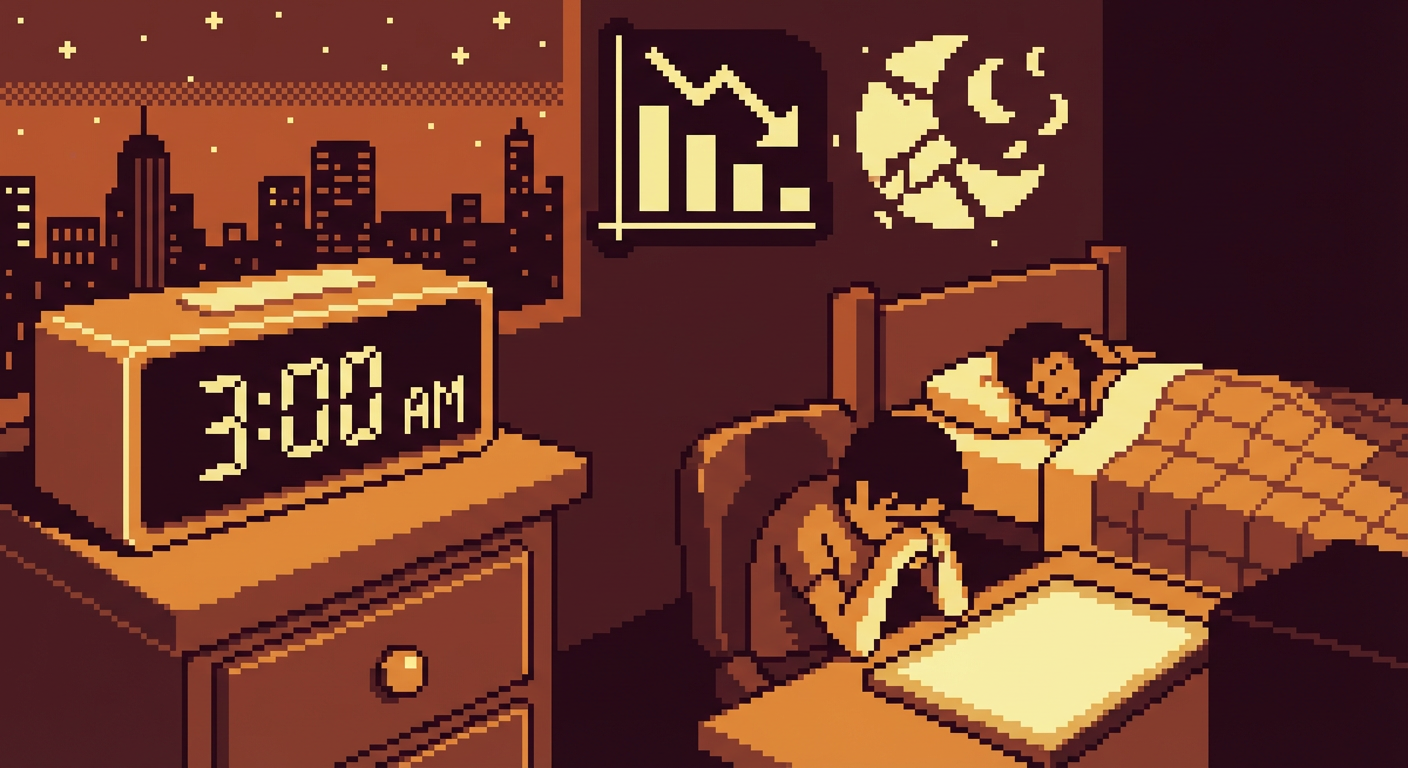
The Sleep Revolution: How High Performance Rest Is Rewiring Our Mental Health

The Sleep Crisis That’s Breaking Our Brains

We’re living through a sleep apocalypse, and it’s doing more than making us tired. More than one-third of American adults get fewer than seven hours of sleep nightly, according to CDC data. That’s not just a statistic—it’s millions of people stumbling through life with foggy brains, emotional volatility, and terrible judgment calls.

The Sleep Revolution: How High Performance Rest Is Rewiring Our Mental Health

Sure, economists point to the $411 billion that sleep deprivation costs the US economy annually through lost productivity. But honestly? The real damage happens when you snap at your kids because you’re running on four hours of sleep, or when you can’t focus long enough to read a single page. When we skip sleep, we’re not just tired. We’re walking around with rewired brain chemistry that makes everything exponentially harder.

This isn’t about being weak or disorganized. Sleep deprivation triggers actual neurological changes that sabotage us. Memory formation breaks down. Emotions become unpredictable. Your prefrontal cortex—the part that handles decision-making—basically goes dark. We’re not failing at life. We’re biochemically handicapped.

The Science That Changed Everything

Matthew Walker’s book “Why We Sleep” hit the scene in 2017 and basically rewrote the rules. Walker didn’t just say sleep was nice to have. He proved it’s the cornerstone of human performance, emotional stability, and long-term health. His research showed that sleep affects literally every biological system in ways we never understood.

The neuroscience is fascinating and terrifying. While you sleep, your brain runs a cleanup cycle, flushing out metabolic waste and proteins linked to Alzheimer’s. It transfers memories from temporary storage into permanent files. It processes emotional experiences and files them away. Skip sleep, and these systems fail, leaving you vulnerable to immediate brain fog and future cognitive decline.

What makes this research so powerful is how it flips our whole perspective. Sleep isn’t self-indulgent—it’s survival. Sleep Foundation research keeps building on these findings, proving that quality sleep goes way beyond just getting eight hours. Timing matters. Depth matters. Consistency matters.

The Data-Driven Sleep Revolution

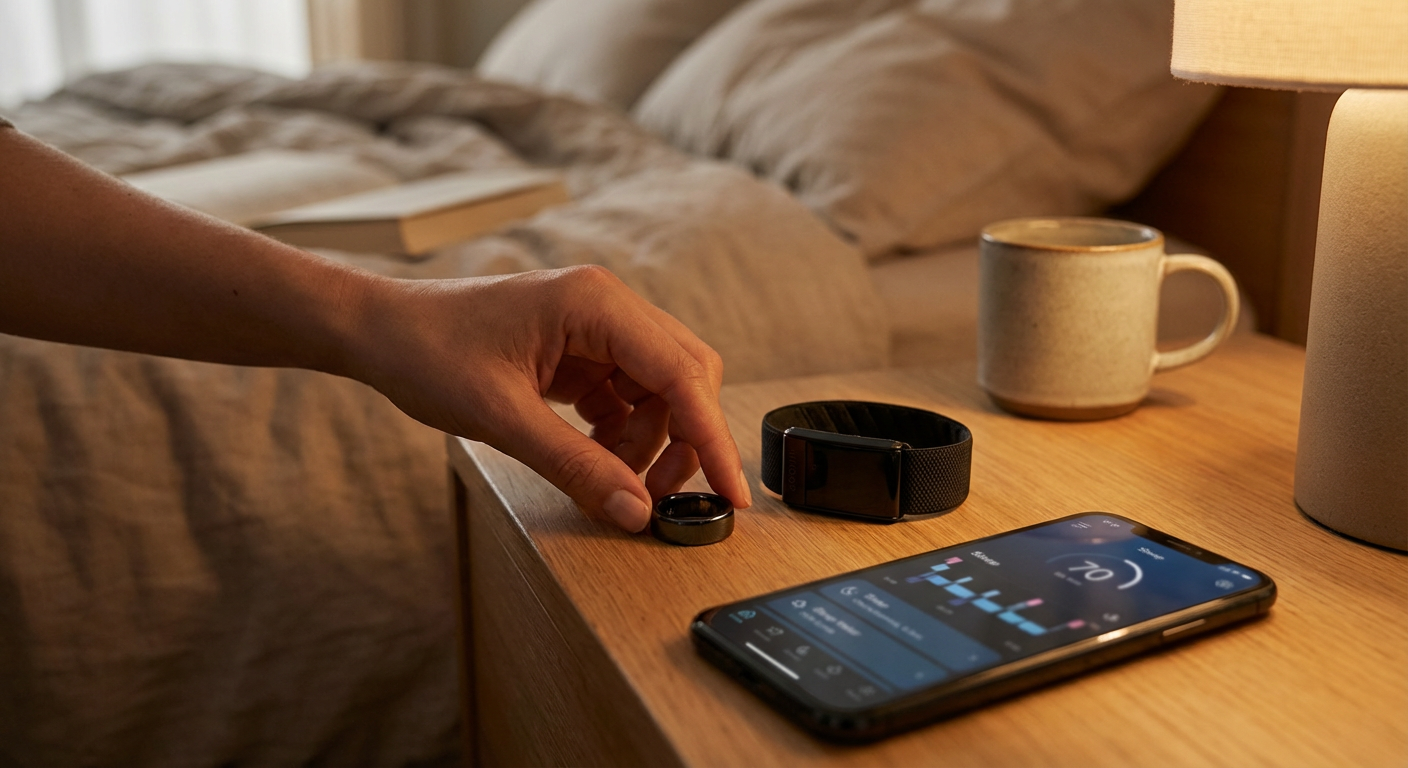
Technology has turned sleep from guesswork into hard science. Devices like the Oura Ring and Whoop are generating data we’ve never had access to before. People aren’t just counting hours anymore. They’re tracking sleep stages, heart rate variability, body temperature, and recovery metrics in real-time.

This data explosion is creating a whole new breed of sleep hackers. People are figuring out their personal sleep DNA. Some discover they’re natural early birds whose brains fire on all cylinders at 6 AM. Others learn their circadian rhythms are hardwired for later bedtimes and wake times. The old “everyone needs eight hours at the same time” advice is dying a well-deserved death.

Chronobiology research backs this up completely. Our internal clocks aren’t cookie-cutter identical. Some people have shorter circadian cycles, others longer. Some are incredibly sensitive to light exposure, others to temperature shifts. Once you understand these differences, you can work with your biology instead of fighting it.

The Mind-Body Integration Movement

High performance sleep goes way beyond just logging enough hours. It’s about engineering conditions that trigger deep, restorative rest. Red light therapy has become surprisingly effective for regulating circadian rhythms. By hitting your eyes with specific light wavelengths, you can actually tell your brain when to pump out melatonin.

Weighted blankets might sound like a marketing gimmick, but they’re legitimate game-changers. The deep pressure stimulation flips your nervous system into relaxation mode, dropping cortisol levels and triggering actual physiological calm. This isn’t wishful thinking—it’s targeted nervous system hacking with measurable results.

The integration goes beyond individual tools though. Huberman Lab sleep protocols show how morning light exposure, evening routines, and temperature control work as a system. Each piece supports the others in a comprehensive approach to rest and recovery.

Mental health professionals are finally putting sleep first instead of treating it as an afterthought. Depression, anxiety, and ADHD all have deep connections to sleep disruption. Fix the sleep quality first, and many people see dramatic improvements in mood, focus, and emotional stability without needing other interventions.

Building Your Sleep Performance System

Creating a high performance sleep system starts with figuring out your personal patterns. Track your natural sleep and wake times for two weeks without setting alarms. Notice when you feel sharp and when your energy crashes. This baseline reveals your chronotype and optimal sleep timing.

Environmental tweaks come next. Complete darkness, temperatures between 65-68 degrees, and consistent bedtime routines tell your brain it’s time to switch into recovery mode. Small changes add up fast. Blackout curtains, blue light blocking glasses, and putting devices away early all improve sleep quality measurably.

The goal isn’t perfection—it’s building consistent habits that improve over time. High performance sleep is a practice, not a box you check once. Some nights will suck. That’s normal. The key is maintaining the systems and routines that support quality rest consistently.

Your sleep impacts everything else in your life. Your mood, your relationships, your mental sharpness, and your long-term health all depend on how well you rest. As this movement keeps evolving, new tools and research will emerge. But the basics stay the same: prioritize sleep, track what works for your specific biology, and treat rest as the foundation for everything else you want to achieve.

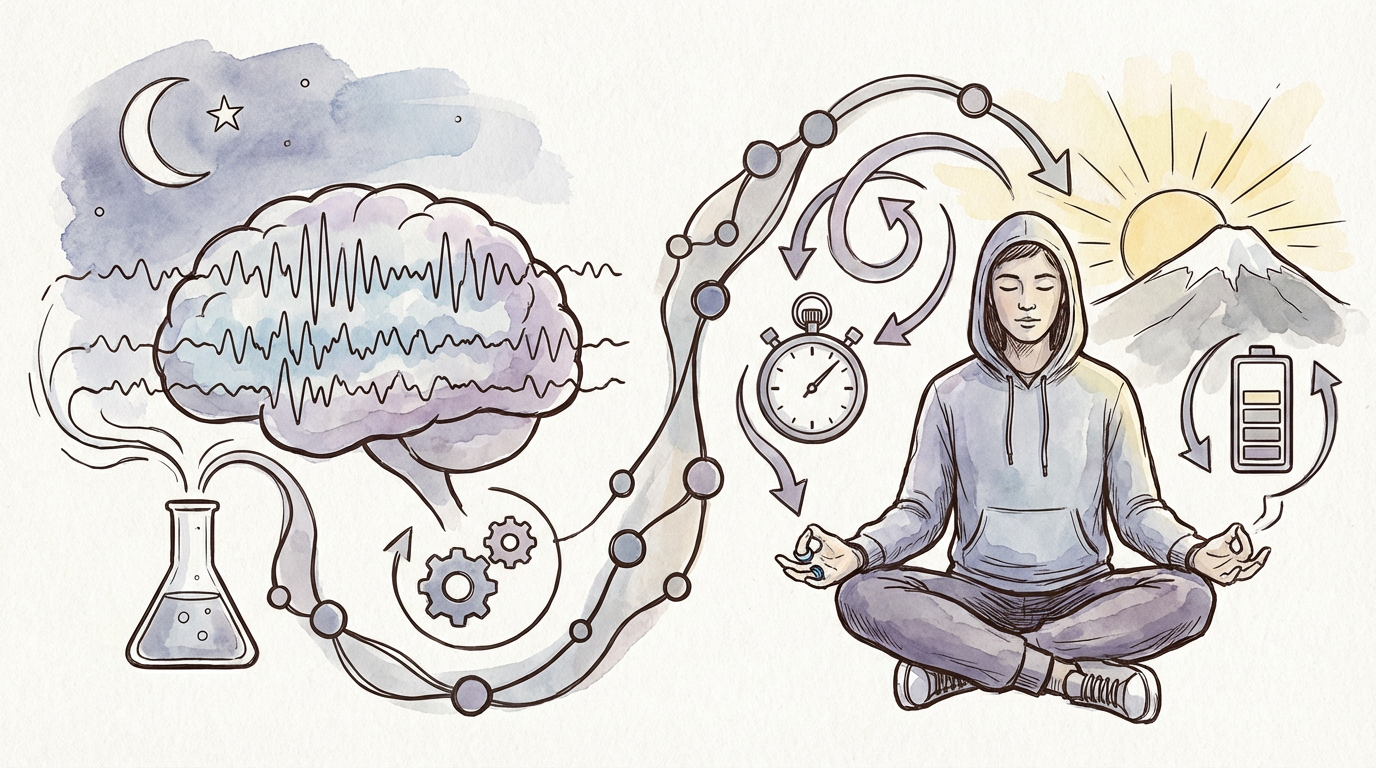
Sleep science and the high performance sleep movement: Mind-body integration

This is one of those moments where paying attention changes what you do next. The topic of sleep science and the high performance sleep movement deserves more careful attention than the typical coverage provides, and the reason isn’t complicated once you know where to look.

The part that most people miss is also the part that matters most: sleep deprivation is costing the US economy $411 billion in productivity annually. When you look at mind-body integration, this isn’t just a number. It’s our reality, and honestly, it’s pretty sobering once you examine what the evidence actually shows.

Sleep science and the high performance sleep movement: Mind-body integration

The Integration: Setting the Terms

When the CDC reports that over 35 percent of US adults get under 7 hours of sleep, this isn’t just another data point in the sleep science story. It’s the foundation that makes everything else in this analysis make sense. This kind of context doesn’t age quickly. The conditions that created it have been building for years, and we’re seeing everything converge in a way that makes this moment different from previous ones that looked similar from the outside.

Sleep deprivation is costing the US economy $411 billion in productivity annually.

Matthew Walker’s Why We Sleep has been driving cultural conversations since 2017. Sleep Foundation research has been tracking this consistently.

What makes this moment worth examining carefully isn’t the novelty but the confirmation. I’ve been watching these dynamics for some time. What’s new is that they’ve reached a threshold where ignoring them takes active effort rather than simple inattention. That threshold crossing is the real event, not the underlying movement that got us here.

The Oura Ring and Whoop creating data-driven sleep optimization behaviors is part of that same picture. These elements don’t exist in separate silos, they’re reinforcing conditions in the same structural shift.

Illustration for Sleep science and the high performance sleep movement: Mind-body integration

The Mental Load: The Analysis

The Oura Ring and Whoop creating data-driven sleep optimization behaviors is where this gets more specific. The surface reading is accessible and not wrong, but it misses the mechanism. And the mechanism is where the practical insight lives. The part that most people miss is also the part that matters most: chronobiology research is validating individual differences in sleep timing, and understanding this changes what you do with the information.

Red light therapy and weighted blankets are growing as sleep aid categories.

The skeptical counterargument deserves honest engagement: previous moments with similar surface characteristics didn’t produce the outcomes that seemed logical at the time. That history is real. What’s different now is that red light therapy and weighted blankets are growing as sleep aid categories, which isn’t a minor variable. It’s the infrastructure condition that previous cycles lacked. Infrastructure changes tend to stick around in ways that sentiment-driven changes don’t. Huberman Lab sleep protocols is tracking this with real rigor.

There’s also a distribution question that often gets ignored in sleep science coverage: who captures the value created by these shifts, and who absorbs the disruption costs? The big picture can be positive while the distribution is uneven in ways that matter enormously to specific people. Keeping that lens in view is part of reading the situation clearly rather than just optimistically.

Implications: What This Means If You Care About Burnout

The implications of sleep science and the high performance sleep movement extend beyond the immediate context. The CDC’s report that over 35 percent of US adults get under 7 hours of sleep, combined with the structural conditions I’ve described, creates a situation where adjacent fields, decisions, and communities get affected in ways that aren’t always visible from inside the primary story. The second-order effects are frequently more important than the first-order ones, and they’re where careful attention pays the highest returns.

Evidence-aware but accessible.

The practical question isn’t whether to engage with these dynamics but how. The answer depends on context, on what role you occupy relative to sleep science and the high performance sleep movement, and what your actual decision timeline looks like. But the first step is the same regardless: accurate understanding of what’s actually happening rather than what the most available narrative says is happening.

A few concrete observations are worth separating out from the broader analysis. First: sleep deprivation costing the US economy $411 billion in productivity annually isn’t a temporary condition. It’s a new baseline. Second: chronobiology research validating individual differences in sleep timing suggests that the adjustment period isn’t over. Third, and most important: the organizations and individuals who are treating the current moment as a new steady state rather than a transition are making a mistake that will be costly to unwind later.

The Case Against: What the Critics Get Right

Intellectual honesty requires acknowledging the strongest counterarguments, not just the weakest ones. The case against the optimistic reading of sleep science and the high performance sleep movement isn’t trivial. There are real vulnerabilities in the current picture that deserve direct engagement rather than dismissal.

The most serious objection is about sustainability. Matthew Walker’s Why We Sleep driving cultural conversation since 2017 can be read not as a foundation but as a ceiling, a point beyond which growth becomes self-limiting because of the very dynamics that produced it. If the current state has already incorporated most of the early-adopting participants, the remaining growth curve may be structurally shallower than the recent trajectory implies.

Red light therapy and weighted blankets are growing as sleep aid categories.

Looking Forward

The trajectory here is clearer than the pace. Making predictions about when specific thresholds will be crossed is genuinely difficult, and anyone claiming precision about timelines should be treated with skepticism. But the direction, toward that CDC statistic of over 35 percent of US adults getting insufficient sleep and continued development of the conditions described above, is supported by evidence in a way that doesn’t depend on a single variable going right.

Red light therapy and weighted blankets growing as sleep aid categories is the variable to watch as the leading indicator. Historical patterns suggest it moves first, with broader metrics following with some lag. This doesn’t make the outcome certain, but it makes it readable. And readability is what you need for good decisions.

Three questions are worth holding as this story develops. First: are the structural conditions that enabled the current state durable, or are they cyclical? Second: who is positioned to benefit from the next phase, and does that differ materially from who benefited in the current phase? Third: what would a clean falsification of the optimistic thesis look like, and is there any evidence of that signal emerging? These questions don’t need answers today, but having asked them changes what you notice in the months ahead.

The action from here is straightforward, even when the situation isn’t.

What’s the mental health dimension of physical performance that you think is most underaddressed?

« Older posts Newer posts »