Health information grounded in science, not trends.

Category: Uncategorized (Page 12 of 14)

Sleep science and the high performance sleep movement: Statistical literacy applied to health

This is one of those moments where paying attention changes what you do next. The topic of sleep science and the high performance sleep movement deserves more careful attention than the typical coverage provides, and the reason isn’t complicated once you know where to look.

The part of this that most people miss is also the part that matters most: sleep deprivation is costing the US economy $411 billion in productivity annually. When you look at what the evidence actually shows, the practical read is also the more accurate one.
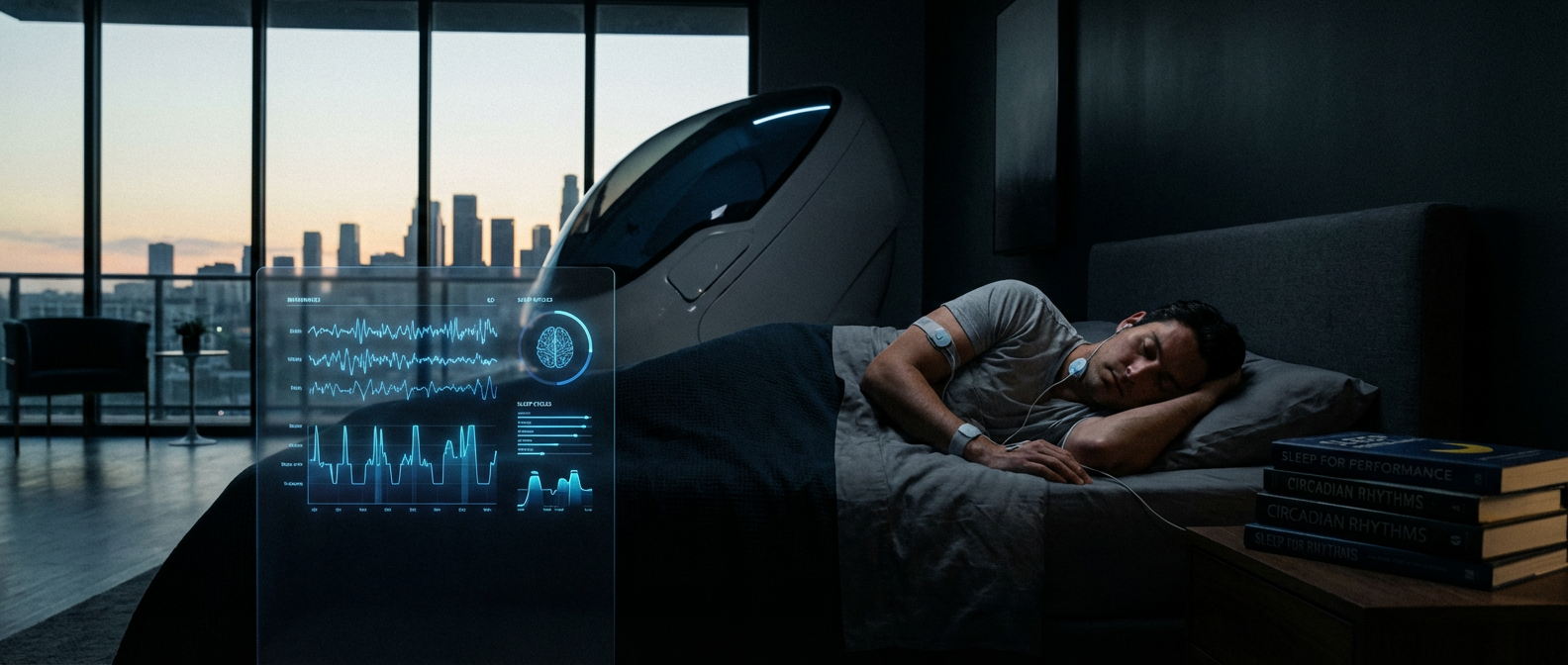
Sleep science and the high performance sleep movement: Statistical literacy applied to health

The Health: Setting the Terms

The CDC reports that over 35 percent of US adults get under 7 hours of sleep. This isn’t just another data point, it’s the structural condition that makes everything else in this analysis make sense. This kind of context doesn’t age quickly. The conditions that created it have been building for years, and their convergence is what makes right now different from previous moments that looked similar from a distance.

Sleep deprivation is costing the US economy $411 billion in productivity annually.

Matthew Walker’s Why We Sleep has been driving cultural conversation since 2017. Sleep Foundation research has been tracking this consistently.

What makes this moment worth examining carefully isn’t the novelty but the confirmation. The underlying dynamics have been visible for some time. What’s new is that they’ve reached a threshold where ignoring them requires active effort rather than simple inattention. That threshold crossing is the event, not the underlying movement that produced it.

And Oura Ring and Whoop are generating data-driven sleep optimization behaviors as part of that same picture. These elements don’t exist in separate silos, they’re reinforcing conditions in the same structural shift.

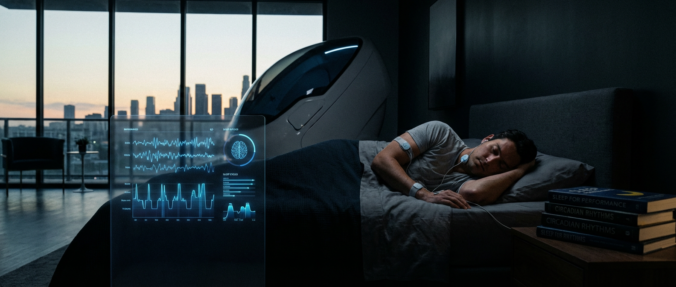
Illustration for Sleep science and the high performance sleep movement: Statistical literacy applied to health

The Real Numbers: The Analysis

Oura Ring and Whoop generating data-driven sleep optimization behaviors is where the analysis gets more specific. The surface reading is accessible and not wrong, but it misses the mechanism. The mechanism is where the practical insight lives. The part most people miss is also what matters most: chronobiology research is validating individual differences in sleep timing, and understanding this changes what you do with the information.

Red light therapy and weighted blankets are growing as sleep aid categories.

The skeptical counterargument deserves honest engagement: previous moments with similar surface characteristics didn’t produce the outcomes that seemed logical at the time. That history is real. What’s different now is that red light therapy and weighted blankets are growing as sleep aid categories, which isn’t a minor variable. It’s the infrastructure condition that previous cycles lacked. Infrastructure changes tend to stick around in ways that sentiment-driven changes don’t. Huberman Lab sleep protocols is one source tracking this with the rigor it requires.

There’s also a distributional question that often goes unaddressed in coverage of sleep science and the high performance sleep movement: who captures the value created by these shifts, and who absorbs the disruption costs? The big picture can be positive while the distribution is uneven in ways that matter enormously to specific people. Keeping that lens in view is part of reading the situation clearly rather than just optimistically.

Implications: What This Means If You Care About Interpreting health studies

The implications of sleep science and the high performance sleep movement extend beyond the immediate context. The CDC reports over 35 percent of US adults getting under 7 hours of sleep, combined with the structural conditions described above, creates a situation where related fields, decisions, and communities are affected in ways that aren’t always visible from inside the primary story. The second-order effects are frequently more important than the first-order ones, and they’re where careful attention pays the highest returns.

Evidence-aware but accessible.

The practical question isn’t whether to engage with these dynamics but how. The answer depends on context, on what role you occupy relative to sleep science and the high performance sleep movement and what your actual decision horizon is. But the first step is the same regardless: accurate understanding of what’s actually happening rather than what the most available narrative says is happening.

A few concrete observations are worth separating out from the broader analysis. First: sleep deprivation costing the US economy $411 billion in productivity annually isn’t a temporary condition, it’s a new baseline. Second: chronobiology research validating individual differences in sleep timing suggests that the adjustment period isn’t over. Third, and most important: the organizations and individuals who are treating the current moment as a new steady state rather than a transition are making a categorization error that will be costly to unwind later.

The Case Against: What the Critics Get Right

Intellectual honesty requires acknowledging the strongest counterarguments, not just the weakest ones. The case against the optimistic reading of sleep science and the high performance sleep movement isn’t trivial. There are structural vulnerabilities in the current picture that deserve direct engagement rather than dismissal.

The most serious objection is about sustainability. Matthew Walker’s Why We Sleep driving cultural conversation since 2017 can be read not as a foundation but as a ceiling, a point beyond which growth becomes self-limiting because of the very dynamics that produced it. If the current state has already incorporated most of the available supply of early-adopting participants, the remaining growth curve may be structurally shallower than the recent trajectory implies.

Red light therapy and weighted blankets are growing as sleep aid categories.

Looking Forward

The trajectory here is clearer than the pace. Making predictions about when specific thresholds will be crossed is genuinely difficult, and anyone claiming precision about timelines should be treated with skepticism. But the direction, toward over 35 percent of US adults getting inadequate sleep and continued development of the conditions described above, is supported by evidence in a way that doesn’t depend on a single variable going right.

Red light therapy and weighted blankets growing as sleep aid categories is the variable to watch as the leading indicator. Historical patterns suggest it moves first, with broader metrics following with some lag. This doesn’t make the outcome certain, but it makes it readable. And being able to read the situation clearly is what you need for good decisions.

Three questions are worth holding as the story develops. First: are the structural conditions that enabled the current state durable, or are they cyclical? Second: who is positioned to benefit from the next phase, and does that differ materially from who benefited in the current phase? Third: what would clean evidence against the optimistic thesis look like, and is there any signal of that emerging? These questions don’t need answers today, but having asked them changes what you notice in the months ahead.

The action from here is straightforward, even when the situation isn’t.

What health number do you wish someone had translated for you earlier?

Smallhandsbigideas — Evidence-Based Wellness

Smallhandsbigideas — Evidence-Based Wellness

Health information grounded in science, not trends.

The internet overflows with health advice that sounds convincing but falls apart under scrutiny. Miracle diets backed by cherry-picked studies. Fitness influencers pushing supplements with zero science behind them. Wellness gurus turning correlation into causation. We’re tired of it. Every health claim we publish comes with real peer-reviewed research to back it up, and we always show our work.

Topics we cover: Nutrition · Fitness · Mental Health · Sleep · Research · Preventive Care

The Real Picture on Longevity science and the biology of ageing

This is one of those moments where paying attention changes what you do next. The topic of longevity science and the biology of ageing rewards more careful attention than the typical coverage provides, and the reason is not complicated once you know where to look.

The part of this that most people miss is also the part that matters most: viewed through the lens of mind-body integration, Bryan Johnson’s Blueprint protocol is generating mainstream media coverage. The emotionally honest read of the situation is also the more accurate one once you examine what the evidence actually shows.

The Real Picture on Longevity science and the biology of ageing

The Integration: Setting the Terms

Senolytics drugs clearing zombie cells are showing promise in early human trials. This isn’t just another data point in longevity science, it’s the structural condition that makes everything else in this analysis make sense. Context like this doesn’t age quickly. The conditions that produced it have been building for years, and the convergence is what makes the current moment distinct from previous moments that looked similar from a distance.

Bryan Johnson’s Blueprint protocol is generating mainstream media coverage.

Epigenetic clocks now let us measure biological age separately from chronological age. Lifespan News longevity research has been tracking this dimension consistently.

What makes this moment worth examining carefully is not the novelty but the confirmation. The underlying dynamics have been visible for some time. What’s new is that they’ve reached a threshold where ignoring them requires active effort rather than simple inattention. That threshold crossing is the event, not the underlying movement that produced it.

And the NAD+ precursor supplements market has exceeded $1 billion despite mixed evidence. This is part of that same picture. These elements don’t exist in separate silos, they’re reinforcing conditions in the same structural shift.

The Mental Load: The Analysis

The NAD+ precursor supplements market exceeding $1 billion despite mixed evidence is where the analysis gets more specific. The surface reading is accessible and not wrong, but it misses the mechanism. The mechanism is where the practical insight lives. The part that most people miss is also the part that matters most: the mechanism is caloric restriction mimetics like rapamycin entering off-label longevity use. Understanding it changes what you do with the information.

Peter Attia and Andrew Huberman are driving protocol-based longevity conversations.

The skeptical counterargument deserves honest engagement: prior moments with similar surface characteristics didn’t produce the outcomes that seemed logical at the time. That history is real. What’s different now is Peter Attia and Andrew Huberman driving protocol-based longevity conversations, which isn’t a minor variable. It’s the infrastructure condition that previous cycles lacked. Infrastructure changes tend to stick around in ways that sentiment-driven changes don’t. Longevity Technology is one source tracking this dimension with the rigor it requires.

There’s also a distributional question that often goes unaddressed in coverage of longevity science: who captures the value created by these shifts, and who absorbs the disruption costs? The aggregate picture can be positive while the distribution is uneven in ways that matter enormously to specific participants. Keeping that distributional lens in view is part of reading the situation clearly rather than simply optimistically.

Implications: What This Means If You Care About Burnout

The implications of longevity science extend beyond the immediate context. Senolytics drugs clearing zombie cells showing promise in early human trials, combined with the structural conditions described above, creates a situation where adjacent fields, decisions, and communities are affected in ways that aren’t always visible from inside the primary story. The second-order effects are frequently more important than the first-order ones. They’re where careful attention pays the highest returns.

Evidence-aware but accessible.

The practical question isn’t whether to engage with these dynamics but how. The answer depends on context, on what role you occupy relative to longevity science and what your actual decision horizon is. But the first step is the same regardless: accurate understanding of what’s actually happening rather than what the most available narrative says is happening.

A few concrete observations are worth separating out from the broader analysis. First: Bryan Johnson’s Blueprint protocol generating mainstream media coverage isn’t a temporary condition, it’s a new baseline. Second: caloric restriction mimetics like rapamycin entering off-label longevity use suggests that the adjustment period isn’t over. Third, and most important: the organizations and individuals who are treating the current moment as a new steady state rather than a transition are making a categorization error that will be costly to unwind later.

The Case Against: What the Critics Get Right

Intellectual honesty requires acknowledging the strongest counterarguments, not just the weakest ones. The case against the optimistic reading of longevity science isn’t trivial. There are structural vulnerabilities in the current picture that deserve direct engagement rather than dismissal.

The most serious objection is about sustainability. Epigenetic clocks enabling biological age measurement separate from chronological age can be read not as a foundation but as a ceiling, a point beyond which growth becomes self-limiting because of the very dynamics that produced it. If the current state has already incorporated most of the available supply of early-adopting participants, the remaining growth curve may be structurally shallower than the recent trajectory implies.

Peter Attia and Andrew Huberman are driving protocol-based longevity conversations.

Looking Forward

The trajectory here is clearer than the pace. Making predictions about when specific thresholds will be crossed is genuinely difficult. Anyone claiming precision about timelines should be treated with skepticism. But the direction toward senolytics drugs clearing zombie cells showing promise and continued development of the conditions described above is supported by the evidence in a way that doesn’t depend on a single variable going right.

Peter Attia and Andrew Huberman driving protocol-based longevity conversations is the variable to watch as the leading indicator. Historical patterns suggest it moves first, with broader metrics following with some lag. This doesn’t make the outcome certain, but it makes it legible. Legibility is the precondition for good decisions.

Three questions are worth holding as the story develops. First: are the structural conditions that enabled the current state durable, or are they cyclical? Second: who is positioned to benefit from the next phase, and does that differ materially from who benefited in the current phase? Third: what would a clean falsification of the optimistic thesis look like, and is there any evidence of that signal emerging? These questions don’t need answers today, but having asked them changes what you notice in the months ahead.

The action from here is straightforward, even when the situation isn’t.

What’s the mental health dimension of physical performance that you think is most underaddressed?

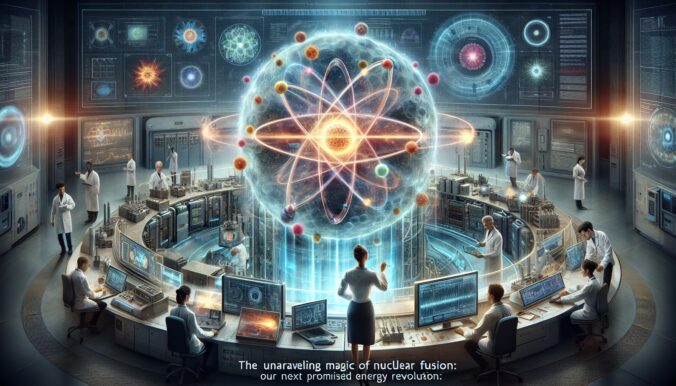
The Unraveling Magic of Nuclear Fusion: Our Next Promised Energy Revolution

Hey, tech curiosity gurus! 🎉 It’s another beautiful day in the era of science fiction slowly rolling over into science fact, and today I want to talk about something that’s been lighting up the scientific world like crazy: nuclear fusion. And trust me, this isn’t just about fancy lasers and shiny gadgets. This could actually solve our energy problems and give us a planet without pollution or energy crises. Grab your drink of choice, settle into your favorite chair, and let’s dig into this atom-smashing topic.

What’s the BUZZ around Fusion, Anyway?

Alright, before we get all excited about nuclear fusion, let’s take a second to understand what all the fuss is about. You remember those science classes where we stumbled through nuclear fission and fusion, right? If you’re like me, your eyes probably glazed over back then. But here’s the deal: Nuclear fusion works by smashing atoms together at incredible speeds so they combine and release massive amounts of energy. It’s basically what the sun does naturally. Unlike fission, which splits heavy atoms apart and can create dangerous waste and Chernobyl-level disasters, fusion’s atomic dance leaves behind almost no harmful pollutants.

The Spark of Hope on the Technical Horizon

“Okay,” I hear your inner skeptic saying, “that sounds great, but when did humans figure out how to control sun-level atomic power?” It’s a fair question with some healthy skepticism, but here’s the thing: 2023 has brought some real breakthroughs in the centuries-long quest for controlled nuclear fusion. Recently, the scientists at the National Ignition Facility (NIF) achieved something incredible. They actually generated more energy from a fusion reaction than they put into it. That might not sound like much, but it’s huge.

And it doesn’t stop there. Private companies like Commonwealth Fusion Systems and Helion Energy are jumping into this high-energy race too, with serious funding behind them. Commonwealth’s experimental reactor isn’t just another particle collider. They’re claiming they’ll have scaled demonstrations ready by 2025. I get excited just thinking about electricity without the guilt or the wallet-crushing bills.

Energizing the Earth: What This Actually Means

Alright, we’ve talked about the theoretical stuff, but you practical folks want to know: how does this actually get us closer to an energy paradise? Well, imagine saying goodbye to our carbon-heavy electric grid. Fusion could change everything.

  1. Clean Energy That Actually Lasts: We’re talking about clean energy for generations. Hydrogen is everywhere, and the fuel supply is basically endless. Climate change activists, this one’s for you.

  2. Economic Game-Changer: Once fusion technology scales up, energy costs could drop dramatically. We’re looking at cheaper electricity, more stable grids, and energy independence for entire countries.

  3. No More Fossil Fuel Dependency: Imagine politicians not having to negotiate with oil-rich nations or worry about gas prices. Fusion could make energy a local, clean, and abundant resource everywhere.

The Hurdles We Still Need to Clear

Now, before we get carried away with our fusion fantasies, let’s be real about the challenges ahead:

  1. Technological Barriers: Controlling fusion reactions is incredibly difficult. We’re talking about containing temperatures hotter than the sun’s core while maintaining precise magnetic fields. The engineering challenges are mind-boggling, and we’re still figuring out how to make reactors that can run continuously rather than in short bursts.
  2. Cost and Scale Issues: Current fusion experiments cost billions of dollars and require massive facilities. Making fusion economically viable means shrinking costs and scaling up production. That’s a huge engineering and manufacturing challenge.
  3. Timeline Reality Check: Even the most optimistic projections put commercial fusion power at least a decade away. Some experts think it could be 20-30 years before fusion becomes widely available. That’s a long time when we need clean energy solutions now.

What Happens Next?

Look, I’m genuinely excited about fusion’s potential, but I’m also trying to stay realistic. The recent breakthroughs are encouraging, and the investment flowing into fusion research is unprecedented. But we’re still in the early stages of what will be a long technological journey.

The good news? Multiple approaches are being tested simultaneously. Government labs, private companies, and international collaborations are all working on different fusion technologies. Some will fail, but others might succeed faster than we expect.

For now, fusion represents hope for a cleaner energy future. Whether that future arrives in 10 years or 30, the work happening today is laying the groundwork for potentially the biggest energy revolution in human history. And honestly? That’s pretty exciting to watch unfold.

The New Frontier: AI Creativity Unplugged

Picture machines writing symphonies, crafting scripts, and creating artworks. Wild to think about, right? AI has moved way beyond number crunching and is now muscling into creative territory that we’ve always thought belonged to humans. Let’s dig into what’s happening when artificial intelligence meets the arts.

When Silicon Dreams of Art

So what exactly are we talking about when we say AI in creative arts? This isn’t your typical optimization algorithm or recommendation engine. We’re watching AI jump from the background straight into the spotlight, trying to channel everyone from Bob Ross to Hermann Hesse. These machines aren’t just lending a hand anymore—they’re grabbing the paintbrush, the pen, and the camera.

Remember when chess players panicked over Deep Blue beating Garry Kasparov? Well, this feels like that moment, but for every creative field at once. Tools like DALL-E are spitting out bizarre, sometimes beautiful images, while GPT-3 writes with a flair that would make Edgar Allan Poe do a double-take. The data doesn’t lie—AI is getting seriously good at this creative stuff.

Digital Da Vincis: The Code Behind the Brush

Okay, let’s get into the nuts and bolts. What actually powers these digital artists? The short answer: massive amounts of data.

At the core, you’ve got machine learning algorithms that have been fed enormous collections of content. We’re talking everything from medieval ballads to modern memes. The training process is intense—these systems crunch through patterns in all that data, learning the rhythms and structures that make great art tick.

Turn one of these trained models loose on a creative task, and you might get something that reads like Charles Dickens writing for the 23rd century. Companies like OpenAI have been pushing these boundaries hard, using deep learning networks to create things that genuinely surprise even their creators.

Creating or Co-Creating? Debating Genius

Here’s where things get messy. Are these AI systems actually creating art, or are they just really sophisticated copy machines? When an algorithm generates a poem or paints a picture, is that genuine creativity or just an impressive remix of everything it learned?

I’ve seen AI-generated pieces that stopped me in my tracks, and others that felt hollow despite their technical polish. The debate splits people pretty evenly. Some argue that creativity requires consciousness, intention, lived experience—things machines don’t have. Others point out that even human artists build on what came before, combining influences in new ways.

What’s clear is that we’re not just talking about tools anymore. These systems make choices, take creative risks, and sometimes produce work that their programmers never anticipated. Whether you call that “real” creativity or not probably depends on how you define creativity in the first place.

Glimpsing the Boundaries of Our Horizon: The New Frontier of Nuclear Fusion

Hey fellow tech enthusiasts! Grab your favorite brew and settle in because today we’re talking about a subject that sparks as much debate over afternoon stand-ups as which Star Wars installment was the greatest (it’s clearly Empire Strikes Back, but I digress). We’re here to bask in the electromagnetic glow of nuclear fusion, a technology that’s pushing us toward the energy-based Promised Land—the potential to harness the power of the stars. Yes, I’m talking about sunshine on steroids, particles colliding at breakneck speeds to save us from ever depending on fossil fuels again. Talk about hitting that techno-utopian sweet spot!

A Brief Background to Stardom Power

First off, let’s understand what the fuss is all about. In simple terms, nuclear fusion is the holy grail of clean, virtually unlimited energy. Unlike nuclear fission, which splits heavy atoms (like unveiling Pandora’s really over-the-top box), fusion merges light atoms together—think of hydrogen atoms becoming helium and dumping massive amounts of energy as a thank-you gift.

This begs the question: “Why haven’t the bright minds over at Los Alamos just given us the answer on a flashy PowerPoint slide?” Well, turns out controlling a bit of stellar magic for us earthlings isn’t a Sunday-afternoon DIY science experiment. It means containing atoms dancing at heart-stopping temperatures—and I do mean heart-stopping; we’re talking 100 million degrees Celsius. Nuclear fireworks with all the fun and none of the burn marks (fingers crossed!).

The Progress We’ve Made So Far

Some days, I imagine what the R&D breakroom banter sounds like in these pioneering labs:

“You heard we hit a new record with our latest test run? Might be 5% more efficient than last quarter!”

High-fives all around. Coffee gets brewed for the third time today.

The reality is that major projects like ITER (the massive international fusion experiment) show how seriously countries worldwide are taking this challenge. We’re talking about Japan, the EU, the USA, and others pooling resources and expertise like never before. The engineering challenges are genuinely mind-bending. You need to create conditions hotter than the sun’s core while keeping everything contained in materials that won’t melt instantly.

Recent breakthroughs have been genuinely exciting though. Labs are hitting energy milestones that seemed impossible just a few years back. The National Ignition Facility achieved fusion ignition in late 2022, which honestly felt like watching science fiction become reality. Private companies are jumping in with fresh approaches and serious funding. Some are betting on magnetic confinement, others on inertial fusion, and a few are trying completely wild approaches that make the whole field feel like a fascinating experiment in human ingenuity.

Humans Meet Their Makers: When AI Becomes the Next Michelangelo

Hi everyone! Clear some space in your brains and your diaries because what’s cooking in the tech world is hot enough to burn but worth every searing excitement. We’re diving head-first into a realm where Machines are more than utility—they’re the new Picassos, the Beethovens, the Tolstoi; yes, today we’re chatting about Artificial Intelligence in the Creative Arts. For anyone skeptical of a techno-utopian vision, this is the surreal renaissance you didn’t see coming.

AI—More Than Just Code

We all watched with slack-jaw awe when AI first composed a Classical piece and most of us raised an eyebrow when it beat us at Jeopardy. That being said, if your knee-jerk reaction is assuming your creative job has an invincible cloak—think again. While they might still shy away from Martini cocktail attire, AIs are officially mingling and making headlines in creative corners. They’re designing haute couture, composing soul-touching music, and sketching starlit murals. AIs are wrapping their silicon ‘minds’ around being genuine trendsetters.

Paintbrushes Go Digital: AI in Visual Arts

A burst of passion and a dash of pixel—the 21st-century paintbrush breathes zeros and ones. What your mind conceives as gorgeous visuals for the next eye-binge session, AIs generate through complex neural networks. Companies like DeepArt and RunwayML are remastering the canvas-bound masters, using techniques that blend randomness, biological patterns, and what you fondly know as Chaos Theory. Imagine creating surrealism like Escher or brooding hyperrealism in Banksy’s most sardonic style—yeah, AI can do that.

Can Errors Actually Foster Wild Creativity?

Here’s where things get interesting. Glitches—those raw “say-what?” moments—have created art bigger than any tactical imagery ever could. Dali knew this, especially when he painted those melting clocks that scattered our imagination. These weren’t ‘mistakes,’ they were designed revolutions that etched themselves into the hallowed halls of art history. Isn’t it fascinating that artists have always savored these unexpected moments, waiting for happy accidents that reveal something profound? Sometimes the most wonderful art comes from embracing the chaos, which eventually creates those carnival moments of curiosity that even Degas would appreciate.

More Soul (and Bytes) From Machines: Music by AI

Hear this, folks—AI is giving tunes a complete makeover. Musicians are now working alongside AI-powered systems that can blend harmonies in ways we never imagined. The technology analyzes patterns from thousands of songs, then creates something entirely new. It’s not just random note generation either. These systems understand rhythm, melody, and even emotional progression. Some of the results are genuinely surprising, creating musical pieces that feel both familiar and completely fresh.

A True Tear-Jerker or All Background Noise?

The big question everyone’s asking: can a machine actually move you to tears? I’ve listened to AI-generated symphonies that gave me goosebumps. Sure, they might lack the personal struggle that drove Beethoven to create his masterpieces, but there’s something haunting about music born from pure mathematical beauty. The compositions often surprise even their creators, finding harmonies that human composers might never think to try.

These machines are sculpting beauty through rich compositions that transcend our immediate expectations, creating sonic experiences that stretch our imagination in completely new directions.

Digital Storytelling: When Computers Try Creative Writing

Your Computer Won’t (Yet) Write “War and Peace” Part Two

Let’s be honest about AI writing. While these systems can churn out decent blog posts and even poetry, they’re still far from replacing Tolstoy. I’ve seen AI attempt short stories, and the results are… mixed. They can nail the technical aspects—proper grammar, decent plot structure, even some clever wordplay. But they often miss the deeper human truths that make great literature stick with you long after you close the book. The emotional authenticity just isn’t there yet. They’re getting better at mimicking human writing patterns, but mimicking isn’t the same as truly understanding the human experience. Still, watching them improve is pretty fascinating, even if they’re not ready to tackle the great American novel just yet.

Riding the Circuitboard: Artificial Intelligence in the Creative Arts Renaissance

Hey there fellow tech enthusiasts! Grab a cup of your finest artisan roast and settle in because today we’re exploring something pretty wild: how Artificial Intelligence and the Creative Arts are colliding in ways nobody saw coming ten years ago. It’s happening, folks: tech geeks like us might just find ourselves at the heart of the next big renaissance.

The Unexpected Artist: When Machines Get Creative

When I first heard about AI making art, I rolled my eyes so hard I nearly pulled a muscle. Could a machine ever truly be “creative”? There’s no easy answer to that question, but what I’ve seen lately has me reconsidering everything.

Case in point: GPT-4 and DALL-E. Here we have a language model cranking out short stories that could give some published authors a run for their money, and its visual counterpart creating artwork that’s honestly better than half the stuff I see in galleries. These OpenAI tools have turned creativity into this weird collaborative dance between humans and machines, and I’m not sure how I feel about it yet.

How TikTok’s Algorithm Became the New Music Executive

Remember when we discovered music through radio or that one friend who always knew about bands before they got big? Now TikTok’s AI decides what’s cool based on fifteen-second clips. The algorithm analyzes everything from beats per minute to which songs make people dance like idiots, spotting patterns that predict the next viral hit.

There’s something both fascinating and terrifying about AI making these cultural calls. It’s like letting a really smart robot decide what goes on your Spotify playlist. Could anyone have predicted we’d end up here?

When Artists Collaborate with Code

Why stop at recommending music when AI can create it too? Artists like Holly Herndon have started collaborating with AI to generate musical compositions that push boundaries in ways human composers alone couldn’t manage. You get this interesting mix of human intuition and mathematical precision that creates something genuinely new.

The visual arts are getting the same treatment. Students at Aalto University in Finland worked on a project called ArtSy, using AI to analyze and recreate visual styles in ways that go way beyond simple filters. These aren’t flat, boring computer graphics. They’re layered, complex pieces that actually make you stop and think.

Of course, this whole movement has created some chaos too. The NFT market exploded partly because of AI-generated art, leading to all sorts of debates about what constitutes “real” creativity and who owns what when a machine helps create it.

The Messy Reality of AI Creativity

Look, it’s not all smooth sailing. We’re dealing with some serious questions here. When AI creates something beautiful, who gets the credit? What happens to human artists trying to make a living? And honestly, sometimes the results are just plain weird or problematic in ways the programmers never intended.

There are copyright issues, ethical concerns about training data, and the uncomfortable reality that AI might be really good at mimicking creativity without actually understanding what it’s creating. It’s like watching a really sophisticated parrot that can paint masterpieces but has no idea what a sunset actually means.

Where Do We Go from Here?

So what does this all mean for us tech folks? I think we’re watching the birth of a new kind of creativity, one where the tools are getting smart enough to be creative partners rather than just instruments. It’s exciting and unsettling at the same time.

The artists who figure out how to work with AI rather than against it are probably going to create some incredible stuff. Meanwhile, those of us building these systems need to think harder about the implications of what we’re making. We’re not just writing code anymore; we’re shaping how humans express themselves.

Whether this leads to a true renaissance or just a really sophisticated form of creative automation remains to be seen. But one thing’s certain: the intersection of AI and creativity is going to keep surprising us, and I’m here for the ride.

Cybernetic Imagination: Artificial Intelligence Takes the Creative Arts to New Heights

Hey tech enthusiasts! Today I’ve got something that’s been blowing my mind lately, especially if you’re like me and fascinated by how 0s and 1s are crashing into the world of creative arts. We’re talking about AI in creative fields, where algorithms are actually becoming artists and data is creating some seriously wild visuals. If Leonardo da Vinci were around today, I’m pretty sure he’d be tinkering with a Mona Lisa bot in his spare time!

Art by Algorithm: The New Van Gogh?

Let’s start with art galleries, those quiet, intimidating spaces where people stand around squinting at paint splatters and nodding knowingly. Here’s the kicker: the newest sensation hanging on those white walls might not be from a human artist at all, but from a piece of software that’s apparently got great taste in color palettes. AI is seriously shaking up the art world, and collectors are paying serious money for it.

AI-generated artwork goes way beyond just randomly mashing keys on a computer. You’ve probably heard of Google’s DeepDream or Prisma. But the real game-changer is GANs (Generative Adversarial Networks), where two AI systems basically battle it out, one creating images and the other critiquing them until they produce something so surreal that Salvador Dalí would probably grow another mustache curl out of pure jealousy.

Want proof that AI art is legit? “Portrait of Edmond Belamy,” created by Paris-based collective Obvious using AI, sold at Christie’s for $432,500. Yeah, you read that right. That’s a lot of zeros for something made of zeros and ones. Traditional artists are probably having some mixed feelings about that price tag.

Music from the Machine

But we’re not stopping at visual art here. AI is also composing music that actually sounds good, which is pretty wild when you think about how computers used to just make annoying beeping noises. Remember dial-up internet sounds? Thank god those days are over.

Music platforms powered by AI are completely changing how we think about composition. Take OpenAI’s MuseNet, which lets anyone generate songs that blend genres in ways that shouldn’t work but somehow do. Rock meets jazz, orchestral gets mixed with electronic beats. It’s like having a jam session with a really creative robot that never gets tired or argues about what to play next.

Here’s where it gets tricky though. Is AI a helpful tool that makes musicians more creative, or is it going to replace them entirely? Picture this: a guitarist sharing the stage with an AI that can remix songs in real-time. Are we heading toward concerts where the audience can’t tell if they’re cheering for human creativity or machine precision? It’s exciting and a little unsettling at the same time.

Writing: AI Taking Bigger Swings at Literature

And then there’s writing. You might be wondering if robots are about to start cranking out the next Shakespeare. Tools like GPT-3 are already helping writers brainstorm ideas and even generate entire paragraphs based on just a few prompts. It’s like having a writing partner that’s read everything ever written and can help you find the perfect word when you’re stuck.

Some authors are embracing AI as a collaboration tool, using it to overcome writer’s block or explore new narrative styles. Others worry that automated writing will flood the market with generic content. I get both sides. There’s something magical about human creativity that comes from lived experience, emotions, and that messy process of being human. But I also can’t deny that some AI-generated text is genuinely impressive.

So What’s Next: Hopes and Fears

Talking to fellow creatives about this stuff, I hear excitement mixed with genuine concern. On one hand, AI tools could democratize creativity, letting anyone with an idea create art, music, or stories without years of technical training. That’s pretty amazing when you think about it.

On the other hand, there’s the fear that we’re automating away human creativity itself. What happens to artists when anyone can generate a masterpiece with a few clicks? Will we lose something essentially human in our rush to embrace these new tools? And who gets credit (and royalties) when an AI creates something based on millions of existing works it learned from?

Conclusion: Creative Partner or Creative Replacement?

I think we’re still figuring out where AI fits in the creative world. Right now, it feels more like a really sophisticated tool than a replacement for human creativity. The best AI art I’ve seen still needs human input, curation, and that indefinable spark that comes from having actual experiences and emotions to draw from.

But honestly? The technology is moving so fast that I might be completely wrong about where this is headed. Maybe in five years, AI will be creating art that moves us in ways we never expected. Or maybe we’ll find the sweet spot where human creativity and machine capability work together to make something neither could achieve alone. Either way, it’s going to be interesting to watch.

Embracing the Paintbrush of the Future: AI’s Foray into the Creative Arts

Hey, fellow tech enthusiasts! Today, we’re diving into a corner of our digital revolution that’s painting a whole new picture—literally. It’s Artificial Intelligence making its mark on the creative arts. For anyone who’s ever wondered what it’d be like if a machine could match (or perhaps eclipse) the creative genius of Van Gogh or Da Vinci, we’re entering into that territory. Think of this as a front-row seat to AI picking up the paintbrush, the pen, or maybe even the ballet slippers. Ready to see what the brave new world of AI-driven creativity looks like? Let’s jump right in.

A New Muse on the Block: AI and Art

I’m sure you’ve heard of AI by now—it’s been solving problems faster than I can type. But, have you ever imagined it creating something as subjective and soulful as art? Initially, I was skeptical, probably much like you are now. The mere thought of Siri keeping a dream diary felt a bit Silicon Valley meets Salvador Dalí.

However, Artificial Intelligence has and continues to break through in remarkable ways. Platforms like DeepArt and DALL-E 2 (from our friends at OpenAI) have shown that creativity doesn’t belong to humans alone. AI is now learning to mimic artistic styles, combining them in complex ways to output new artworks that, were it not for the clunky CPU language attributed to AI-ridden titles, might happily find themselves framed and hanging in a gallery.

Where Creativity Meets Algorithms: How It Works

So, how does this work exactly? I’ll hold off on pretending to understand neural networks better than I know my own grocery list. But generally, AI creates art using a type of neural system called Generative Adversarial Networks (GANs). For the uninitiated, GANs are like an ongoing debate class. They’re made up of a ‘generator’ that creates something new and a ‘discriminator’ that judges it.

What’s fascinating about this process is the possibility of styles clashing in impossible intersections that normal artistry wouldn’t conceive. Different artistic approaches come together in ways that would make traditional masters scratch their heads. Imagine Picasso’s cubism mixed with Monet’s impressionism, all processed through an algorithm’s interpretation.

Digital Brushes in Broader Strokes: The Applications

Now, we get to the juicy part: applications! From VR-enhanced experiences to digitally curated ad campaigns, AI-generated art extends well beyond being just a curiosity in the art lover’s collection.

Comic Designs Reimagined

AI’s impact on animation opens up endless possibilities for storytelling. We’re talking about illustrated narratives that can shift from childhood nostalgia to epic adventures with the click of a button.

Comic design relies heavily on visual impact and boundless imagination—both areas where AI performs surprisingly well. Studios are now experimenting with AI engines that can generate character designs, backgrounds, and even entire panels based on script inputs. The technology blends traditional craft with digital innovation in ways we’re still figuring out.

Reinventing Marketing Perspectives

The marketing world has taken notice too. AI can generate custom visuals for campaigns, create personalized content at scale, and even develop entirely new aesthetic approaches that human designers might never have considered.

Companies are using AI to create visual content that speaks to different audience segments in ways that feel both fresh and familiar. It’s changing how we think about brand imagery and visual communication across the board.

The Human Question: Implications for Traditional Artists

Here’s where things get complicated. When you introduce the idea that AI can create art, traditional artists understandably get nervous. I’ve talked to several artists about this, and the reactions range from fascination to outright concern about their livelihoods.

Some see AI as just another tool, like Photoshop was in the ’90s. Others worry it might replace human creativity altogether. The truth probably lies somewhere in between. AI can generate images quickly and cheaply, but it lacks the lived experience, cultural context, and emotional depth that human artists bring to their work. At least for now.

What we’re seeing is more collaboration than replacement. Artists are using AI to brainstorm ideas, generate rough concepts, or create base images they can then modify and refine. It’s becoming less about AI versus human creativity and more about how the two can work together.

« Older posts Newer posts »