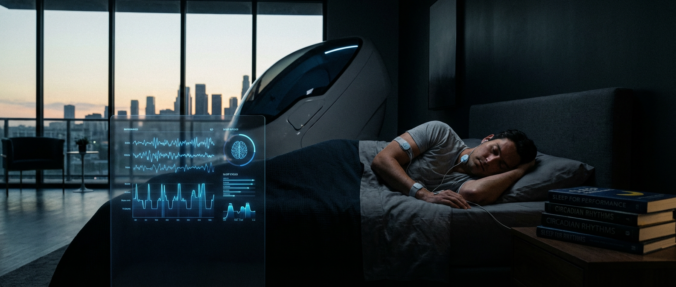
This is one of those moments where paying attention changes what you do next. The topic of sleep science and the high performance sleep movement deserves more careful attention than the typical coverage provides, and the reason isn’t complicated once you know where to look.
The part of this that most people miss is also the part that matters most: sleep deprivation is costing the US economy $411 billion in productivity annually. When you look at what the evidence actually shows, the practical read is also the more accurate one.
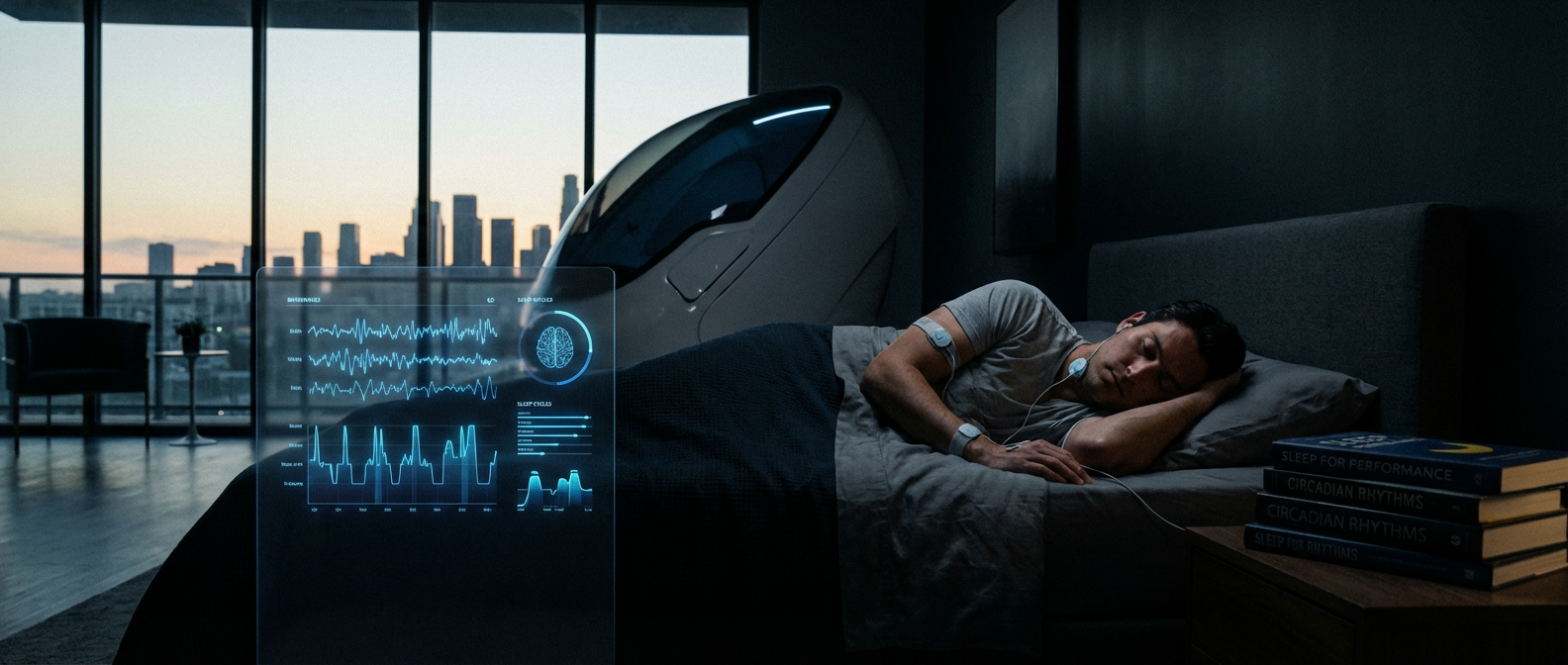
The Health: Setting the Terms
The CDC reports that over 35 percent of US adults get under 7 hours of sleep. This isn’t just another data point, it’s the structural condition that makes everything else in this analysis make sense. This kind of context doesn’t age quickly. The conditions that created it have been building for years, and their convergence is what makes right now different from previous moments that looked similar from a distance.
Sleep deprivation is costing the US economy $411 billion in productivity annually.
Matthew Walker’s Why We Sleep has been driving cultural conversation since 2017. Sleep Foundation research has been tracking this consistently.
What makes this moment worth examining carefully isn’t the novelty but the confirmation. The underlying dynamics have been visible for some time. What’s new is that they’ve reached a threshold where ignoring them requires active effort rather than simple inattention. That threshold crossing is the event, not the underlying movement that produced it.
And Oura Ring and Whoop are generating data-driven sleep optimization behaviors as part of that same picture. These elements don’t exist in separate silos, they’re reinforcing conditions in the same structural shift.
The Real Numbers: The Analysis
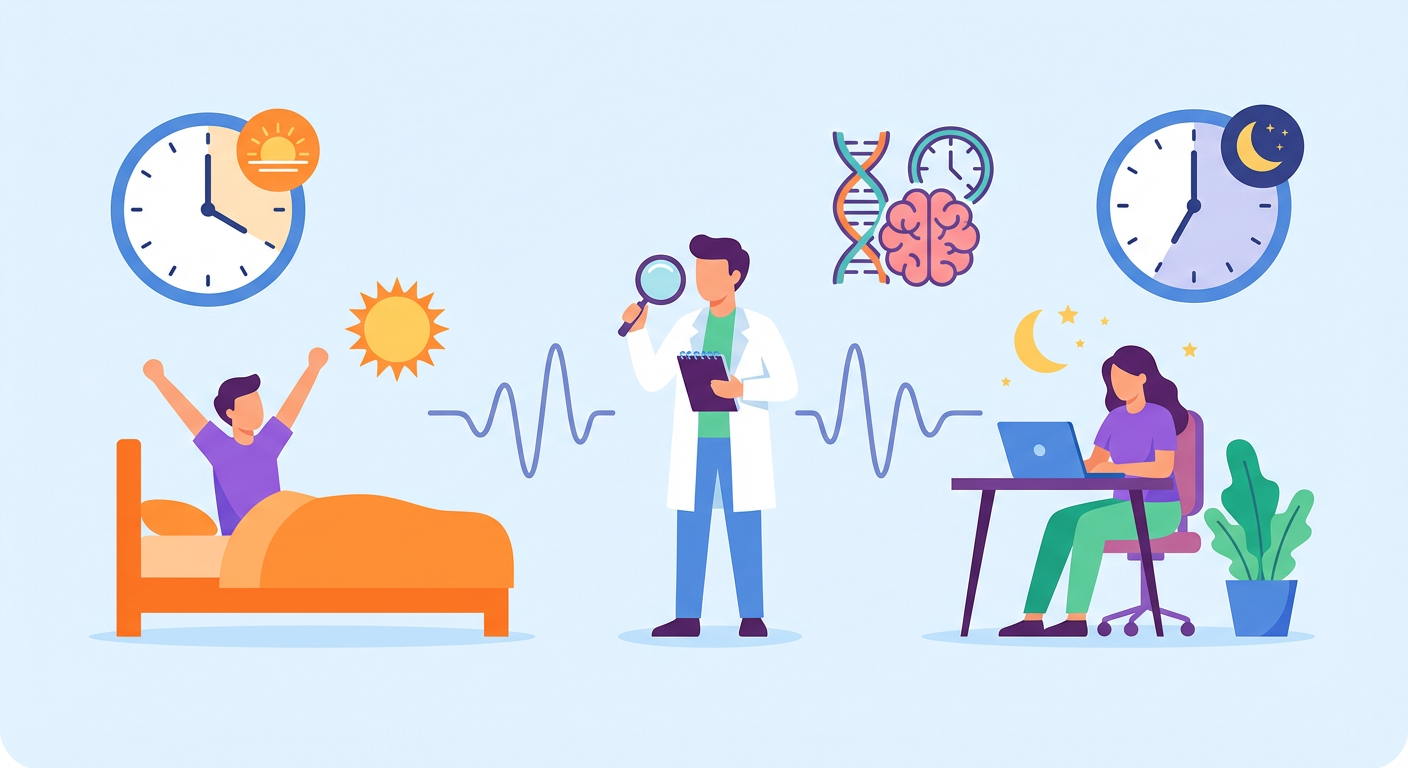
Oura Ring and Whoop generating data-driven sleep optimization behaviors is where the analysis gets more specific. The surface reading is accessible and not wrong, but it misses the mechanism. The mechanism is where the practical insight lives. The part most people miss is also what matters most: chronobiology research is validating individual differences in sleep timing, and understanding this changes what you do with the information.
Red light therapy and weighted blankets are growing as sleep aid categories.
The skeptical counterargument deserves honest engagement: previous moments with similar surface characteristics didn’t produce the outcomes that seemed logical at the time. That history is real. What’s different now is that red light therapy and weighted blankets are growing as sleep aid categories, which isn’t a minor variable. It’s the infrastructure condition that previous cycles lacked. Infrastructure changes tend to stick around in ways that sentiment-driven changes don’t. Huberman Lab sleep protocols is one source tracking this with the rigor it requires.
There’s also a distributional question that often goes unaddressed in coverage of sleep science and the high performance sleep movement: who captures the value created by these shifts, and who absorbs the disruption costs? The big picture can be positive while the distribution is uneven in ways that matter enormously to specific people. Keeping that lens in view is part of reading the situation clearly rather than just optimistically.
Implications: What This Means If You Care About Interpreting health studies
The implications of sleep science and the high performance sleep movement extend beyond the immediate context. The CDC reports over 35 percent of US adults getting under 7 hours of sleep, combined with the structural conditions described above, creates a situation where related fields, decisions, and communities are affected in ways that aren’t always visible from inside the primary story. The second-order effects are frequently more important than the first-order ones, and they’re where careful attention pays the highest returns.
Evidence-aware but accessible.
The practical question isn’t whether to engage with these dynamics but how. The answer depends on context, on what role you occupy relative to sleep science and the high performance sleep movement and what your actual decision horizon is. But the first step is the same regardless: accurate understanding of what’s actually happening rather than what the most available narrative says is happening.
A few concrete observations are worth separating out from the broader analysis. First: sleep deprivation costing the US economy $411 billion in productivity annually isn’t a temporary condition, it’s a new baseline. Second: chronobiology research validating individual differences in sleep timing suggests that the adjustment period isn’t over. Third, and most important: the organizations and individuals who are treating the current moment as a new steady state rather than a transition are making a categorization error that will be costly to unwind later.
The Case Against: What the Critics Get Right
Intellectual honesty requires acknowledging the strongest counterarguments, not just the weakest ones. The case against the optimistic reading of sleep science and the high performance sleep movement isn’t trivial. There are structural vulnerabilities in the current picture that deserve direct engagement rather than dismissal.
The most serious objection is about sustainability. Matthew Walker’s Why We Sleep driving cultural conversation since 2017 can be read not as a foundation but as a ceiling, a point beyond which growth becomes self-limiting because of the very dynamics that produced it. If the current state has already incorporated most of the available supply of early-adopting participants, the remaining growth curve may be structurally shallower than the recent trajectory implies.
Red light therapy and weighted blankets are growing as sleep aid categories.
Looking Forward
The trajectory here is clearer than the pace. Making predictions about when specific thresholds will be crossed is genuinely difficult, and anyone claiming precision about timelines should be treated with skepticism. But the direction, toward over 35 percent of US adults getting inadequate sleep and continued development of the conditions described above, is supported by evidence in a way that doesn’t depend on a single variable going right.
Red light therapy and weighted blankets growing as sleep aid categories is the variable to watch as the leading indicator. Historical patterns suggest it moves first, with broader metrics following with some lag. This doesn’t make the outcome certain, but it makes it readable. And being able to read the situation clearly is what you need for good decisions.
Three questions are worth holding as the story develops. First: are the structural conditions that enabled the current state durable, or are they cyclical? Second: who is positioned to benefit from the next phase, and does that differ materially from who benefited in the current phase? Third: what would clean evidence against the optimistic thesis look like, and is there any signal of that emerging? These questions don’t need answers today, but having asked them changes what you notice in the months ahead.
The action from here is straightforward, even when the situation isn’t.
What health number do you wish someone had translated for you earlier?
Recent Comments