The Loneliness Crisis Didn’t Get Better. Here’s the Honest Update.
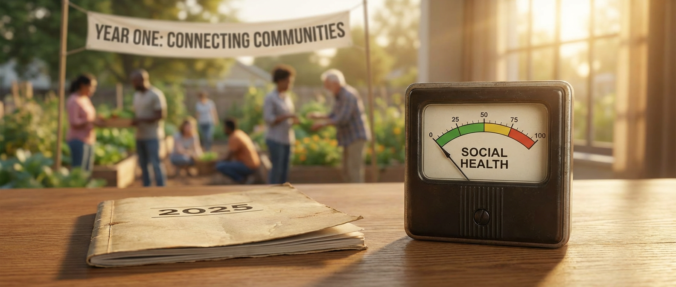
It’s been a year since Dr. Vivek Murthy’s advisory made loneliness official: a public health emergency. The comparison was stark enough to stick. Social disconnection carries health risks equivalent to smoking 15 cigarettes per day. That’s not hyperbole. That’s the cardiovascular load, the inflammation markers, the mortality risk. And here we are twelve months later with follow-up data showing the crisis hasn’t meaningfully budged.
This isn’t a call to despair. Actually, it’s the opposite. When something doesn’t improve with half-measures, it means we finally know what to stop wasting energy on. The real question isn’t whether loneliness is real (settled) or whether it matters (obviously). The question is: what actually moves the needle?
The In-Person Effect Is Not Subtle
Harvard’s Human Flourishing Program spent 2025 tracking 10,000 adults. They wanted to know what kind of social contact actually reduced depression. Not just any contact. Real contact. The kind where you’re in the same room, breathing the same air, maybe sharing a coffee.
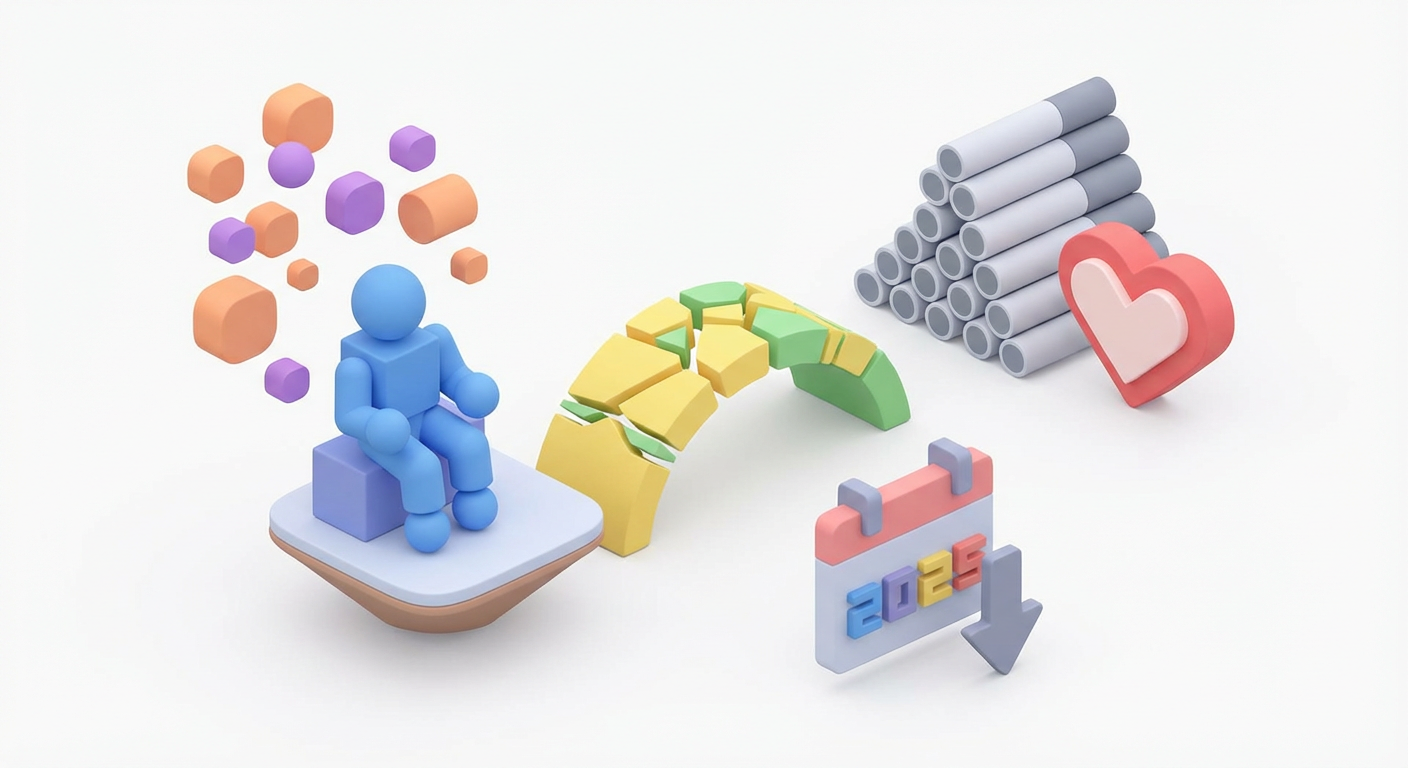
The results landed firmly in the “wow, okay” category. Adults who logged at least three hours per week of in-person interaction saw depression symptom scores drop by 26 percent over six months. That’s not marginal. That’s meaningful clinical improvement. Here’s the comparison that should make you sit up straight: digital-only social engagement showed no significant effect. None. The gap between sitting in a room with people and texting them is not a spectrum. It’s a cliff.
This matters because you’ve probably heard someone say “but I have tons of online friends” or “I video call my family all the time.” Those things are real and they have value. But if you’re struggling with loneliness, if you’re tracking depression symptoms, if you’re trying to improve your mental health, the evidence is telling you something specific. Three hours. In person. Weekly.
What Works Better Than You’d Expect
The UK’s National Health Service has been running an experiment. Social Prescribing connects patients with community activities through their doctors’ offices. A book club. A walking group. A cooking class. Essentially: your doctor writes you a prescription to go do something social in your neighborhood. The 2025 data from the Office for Health Disparities showed participants reduced GP appointments by an average of 28 percent. That’s not just feeling better. That’s measurable, structural change in healthcare utilization.
But here’s the part that really matters: group exercise programs hit differently than individual therapy or medication for moderate social isolation. A January 2026 analysis in The Lancet ran the numbers head-to-head. Community-based group exercise programs reduced loneliness scores with an effect size of 0.52. Individual therapy: 0.31. Medication: 0.31. Group movement won by nearly two to one.
Think about what that means. You don’t have to become a social butterfly or fix your personality. You don’t need years of therapy. You need to move your body around other people who are also moving their bodies. A fitness class, a walking group, a pickup basketball game. The social connection and the physical activity compound each other in ways that isolated therapy just can’t replicate.
Why Digital Isn’t the Shortcut We Hoped It Was
Meta’s internal research leaked in November 2025 and confirmed what many of us suspected without quite wanting to believe it. Passive Instagram scrolling increased self-reported loneliness scores by 17 percent in adults aged 25 to 40. Not helped them feel less lonely. Made them lonelier. The passive part matters. You’re not connecting. You’re consuming someone else’s highlight reel while sitting alone.
A 17 percent increase in loneliness isn’t trivial, but it’s also not destiny. It means the algorithm, the design, the entire structure of infinite scroll is working against you. It doesn’t mean you can never open the app. It means if you’re scrolling for an hour while avoiding in-person contact, you’re literally making the problem worse while feeling like you’re addressing it.
The practical translation: use digital platforms to set up in-person plans. Message someone to grab coffee. Join a local group online, then show up to the meeting. Use the tool as a bridge to the thing that actually works, not a replacement for it.
Your Three-Hour Target Starts Now
You’ve got the numbers. You know what the Surgeon General Advisory on Loneliness and Isolation actually tells us when you combine it with the year of follow-up research. Three hours per week. In person. Ideally involving some kind of movement or shared activity. The effect size is substantial. The mechanism is clear. The barrier isn’t understanding. It’s execution.
You don’t need to overhaul your entire social life. A Wednesday night walk with one person. A yoga class on Saturday. A book club that meets monthly but you see the same five faces each time. That’s the dose that moved depression symptom scores by 26 percent in the Harvard study. That’s the structure that reduced doctor visits by 28 percent in the NHS trial. That’s what beats medication in the clinical trials.
The Harvard Human Flourishing Program Research showed us this works. So what’s one activity you could commit to this week that puts you in a room with other humans for more than five minutes? Not forever. Just this week. Then we’ll talk about next week.
Recent Comments