Health information grounded in science, not trends.

Category: Uncategorized (Page 9 of 14)

The Mental Game of Living Longer: Why Your Brain Matters More Than You Think

The Longevity Boom That’s Actually About Something Deeper

Let’s be honest. The longevity conversation has exploded. We’re talking senolytic drugs clearing out zombie cells, epigenetic clocks measuring your biological age separate from your actual birthday, and billionaires documenting every biohack known to humanity. It feels like living to 120 is now a lifestyle choice you can optimize with the right protocol.

But here’s what nobody talks about: the mental load of trying to live forever is absolutely exhausting.

You know that feeling when you’re supposed to be doing something good for yourself and it just feels like one more thing on an already impossible list? That’s not laziness. That’s your nervous system sending legitimate signals. The problem is we’ve been treating longevity like it’s separate from our mental health, our stress levels, our capacity to handle change. It’s not. Your mind is doing half the work here.

Understanding the Science Without Losing Your Mind

The science is genuinely exciting. Senolytic drugs are showing real promise in early human trials by clearing senescent cells, basically cellular zombies that accumulate with age and trigger inflammation. Researchers have also developed epigenetic clocks that measure biological age independent of chronological age, meaning we can now track whether our interventions are actually working at the cellular level. This isn’t theoretical anymore.

Bryan Johnson’s Blueprint protocol has made headlines by documenting a comprehensive approach to aging reversal, and figures like Peter Attia and Andrew Huberman have shifted the entire conversation toward protocol-based thinking rather than hoping for magic bullets. Longevity Technology tracks these developments in real time, and it’s genuinely compelling stuff.

But here’s where the mental load enters: knowing all this creates a particular kind of pressure. You start thinking about what you’re not doing. NAD+ precursor supplements have exploded into a $1 billion market despite the evidence being genuinely mixed. Rapamycin and other caloric restriction mimetics are moving into off-label longevity use. There’s always another thing to measure, another supplement to research, another protocol waiting to consume your attention.

The mental health piece isn’t a side effect. It’s central to whether any of this actually works.

Stress Literally Ages You Faster Than Cake

This is where mind-body integration stops being buzzword territory and becomes a genuine mechanism. Chronic stress elevates cortisol, which suppresses immune function, impairs mitochondrial performance, and actually accelerates epigenetic aging. You can take every supplement in the Blueprint protocol and if you’re spending all your mental energy worrying about whether you’re doing it right, you’re essentially running in place.

The science backs this up consistently. Your psychological stress state isn’t just uncomfortable. It’s a direct biological pathway that can age you faster than actual poor choices sometimes do. Someone living a simpler lifestyle without constant anxiety about optimization can have better biological markers than someone who’s maxed out on supplements but also maxed out on stress.

This doesn’t mean don’t try. It means the mental component is as important as the physical one. Knowing what works is only useful if you can actually implement it without burning out.

Building a Longevity Practice That Won’t Wreck Your Nervous System

Start with the insight that you don’t need to do everything at once. Seriously. One of the biggest barriers to sustained behavior change is the all-or-nothing mentality. You read about senolytics and epigenetic clocks and suddenly you think you need to become a full-time patient managing your own biology.

Pick one thing. Maybe it’s consistent sleep. Maybe it’s building a movement practice you actually enjoy. Maybe it’s addressing an underlying anxiety that’s been chronic. Start there. Let that become stable. Your nervous system needs to register that this is sustainable before you add another layer.

Also worth considering: give yourself permission to pick based on what actually reduces your mental load rather than what sounds most scientifically impressive. If a supplement regimen makes you anxious about whether you’re doing it right, that’s information. That’s telling you the intervention itself is creating stress that might cancel out the benefit. Lifespan News longevity research covers these topics extensively, and the best interventions are the ones you can actually sustain.

This is where accountability becomes interesting. It’s not about judgment. It’s about creating external structure that reduces the mental burden of decision-making. When you don’t have to constantly evaluate whether you’re doing enough, you actually do more because you’re not exhausted from the internal debate.

What Actually Changes When You Integrate the Mental Piece

The shift happens when you stop treating longevity as another productivity metric to optimize and start treating it as an expression of how you want to live right now. Not in 40 years. Right now.

A 40-year-old who moves their body consistently, sleeps reasonably well, manages their stress response, and doesn’t spend all their mental energy worrying about aging is going to have better health outcomes than a 40-year-old with a perfect supplement stack and constant anxiety about whether it’s working. The biology of stress is that real.

Your epigenetic clock doesn’t just measure your aging. It measures how you’ve been treating yourself mentally and emotionally, not just physically. When you address the mental load piece, you’re not just feeling better. You’re literally slowing down aging at the cellular level.

This is genuinely doable. You don’t need to become a biohacker. You need to become someone who understands that taking care of your mind is as fundamental to longevity as any drug or protocol. That’s not inspiration. That’s biology.

What’s one small thing from this that resonated with you? What’s been creating the most mental load around your own health? I’d genuinely love to hear what’s actually on your mind, because that’s usually where the real work begins.
Cortisol Face: Separating the Viral Trend From What Science Actually Shows

The TikTok Moment That Got Everyone Looking in the Mirror

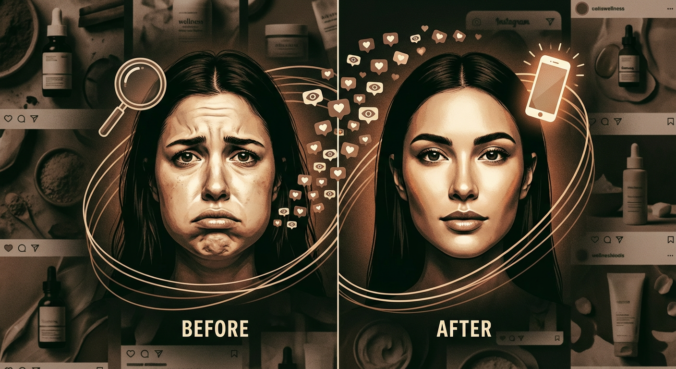
Somewhere between late 2024 and early 2025, “cortisol face” became the wellness diagnosis nobody asked for but everyone started hunting for in their reflection. The hashtag blew up across TikTok, accumulating over 500 million views as people began attributing puffy cheeks, under-eye bags, and facial bloating to chronically elevated stress hormones. Influencers promised that fixing your cortisol would fix your face. Suddenly, your stress wasn’t just affecting your sleep or your digestion. Now it had a visible stamp on your features.

Cortisol Face: Separating the Viral Trend From What Science Actually Shows

Here’s the thing about viral health trends: they usually contain a grain of truth wrapped in layers of oversimplification and exaggeration. The cortisol face phenomenon is no different. Rather than dismissing it entirely or buying into the hype, let’s actually look at what the research says and what it doesn’t say. Understanding the real connection between stress and your appearance matters more than jumping to conclusions based on how puffy your face looks on a Monday morning.

What Science Actually Says About Cortisol and Facial Changes

Cortisol is real. Stress hormones are real. And yes, chronic elevation of cortisol absolutely can change how your face looks. But here’s where the popular narrative diverges from clinical reality.

When cortisol stays elevated for months or years, it genuinely does redistribute fat in the face and body. This is well-documented in Cushing’s syndrome, a condition where the body produces excessive cortisol. Patients develop a characteristic appearance including a rounded face, often called “moon facies,” alongside a fatty hump between the shoulders. The NIH on Cushing’s Syndrome and Cortisol provides detailed clinical information about these changes. Cushing’s syndrome is rare and severe, though. The cortisol levels in that condition are dramatically higher than what everyday stress produces.

A 2025 study in Psychoneuroendocrinology found something more interesting. In people aged 25 to 40, perceived stress scores correlated with measurable spikes in cortisol in about 68 percent of participants. That’s significant. Stress does bump up your cortisol. But the study also showed that these spikes were temporary. They went up during stressful periods and came back down. The facial changes associated with mild to moderate cortisol elevation happen much more slowly, if at all, compared to the dramatic changes seen in true Cushing’s syndrome.

The Stress-Face Connection Is Real, But More Complex Than a Viral Video

Let’s be honest: stress does affect your appearance. The APA Stress in America 2025 Report found that 77 percent of adults reported physical symptoms caused by stress in the past month. Tension headaches. Muscle tightness. Sleep disruption. All of those ripple out into how your face looks and feels.

Poor sleep from stress causes under-eye bags and puffiness. Chronic tension in your jaw and shoulders can affect your facial contours. Stress can trigger inflammatory responses that make your skin look dull or reactive. Dehydration from stress hormones can make your face look drawn. You might unconsciously clench your jaw, which changes how your face sits. None of this requires your cortisol to be clinically abnormal. These are just normal stress responses.

The problem comes when people start working backward from appearance. You notice your face looks puffy. TikTok tells you that’s cortisol face. So you assume you have high cortisol. But endocrinologists have been pretty vocal about this logic chain. Dr. Caroline Messer from Lenox Hill Hospital and other specialists have publicly cautioned that you cannot diagnose elevated cortisol from facial appearance alone. The only way to know if your cortisol is actually elevated is through blood tests, saliva tests, or urine tests ordered by a doctor. Your mirror is not a diagnostic tool.

What You Can Actually Do About Stress and Your Appearance

The good news is that you don’t need to “fix your cortisol” with some trendy supplement or extreme intervention. Most people get this wrong about the cortisol conversation: you can’t eliminate cortisol, and you wouldn’t want to. Cortisol is essential. It wakes you up in the morning. It helps you respond to challenges. The problem is only when it stays elevated chronically, and that’s usually driven by lifestyle patterns, not a mysterious hormone malfunction.

The sustainable moves are the unglamorous ones. Sleep consistency. Movement you actually enjoy. Managing your actual stress load instead of just managing your perception of it. Hydration. Nutrition that supports your body instead of stressing it further. Reducing inflammatory foods if that matters for your system. These things take weeks and months to show up in your face, which is exactly why nobody made a viral trend about them. But they work. And they compound.

If you’re genuinely concerned about chronic stress symptoms or changes in your appearance, that’s worth discussing with your doctor. They can actually test your cortisol if it’s relevant, and rule out thyroid issues or other metabolic factors that affect facial puffiness. You deserve real answers, not algorithmic ones.

The Long Game: Why Slow Changes Beat Quick Diagnoses

Viral trends promise instant answers. They tell you that your puffiness means something specific and fixable in a single story arc. Real health doesn’t work that way. Real change happens slowly, through compound decisions made over months and years. Your face will reflect your habits and your stress levels eventually. But it won’t happen overnight, and it won’t happen because you took the right supplement or finally “figured out” your cortisol.

What will actually change your face is the same thing that changes everything else: consistency. Regular sleep. Regular movement. Regular management of your actual stressors. Hydration. A food approach that makes you feel good. These boring, sustainable choices are the ones that stick around and build something real.

Has anything from the cortisol face trend actually made you think differently about your stress and your health? I’d genuinely love to hear what you’ve noticed in your own experience, beyond what the algorithm is telling you to see. Sometimes the most useful health conversations happen when we step back from the trend and ask ourselves what we actually notice about how we feel and look when we’re taking care of ourselves versus when we’re not.

Your Nervous System Is Not a Buzzword: A Practical Guide to Polyvagal Theory After It Went Mainstream in 2025

Why Your Nervous System Started Trending (And Why That Matters)

Three years ago, if you mentioned polyvagal theory at a dinner party, you would have gotten blank stares. Today, you cannot scroll through wellness content without encountering it. Google search interest for the term tripled between January 2024 and December 2025. Your therapist probably mentions it. Your fitness app definitely tracks it. Your friend with the Apple Watch has opinions about it.

Your Nervous System Is Not a Buzzword: A Practical Guide to Polyvagal Theory After It Went Mainstream in 2025

Here is the thing: this explosion is not actually new science. Dr. Stephen Porges published the foundational polyvagal theory research in 1994. That was 31 years ago. The nervous system did not suddenly become interesting. What changed is that social media figured out how to package it, and millions of people realized they have been white-knuckling through their entire lives without understanding why their body keeps sabotaging their best intentions.

The timing is not accidental either. Between pandemic anxiety, collective burnout, and a growing movement toward somatic and trauma-informed care, people started asking better questions. Not “Why am I broken?” but “What is my nervous system actually doing?” That shift in perspective changed everything. And yes, some of the wellness space has turned it into buzzword salad. But underneath all the noise is something genuinely useful.

What Polyvagal Theory Actually Says (And What It Doesn’t)

Let’s clear this up fast because the mythology has gotten thick. Polyvagal theory is not a magic cure. It is not a replacement for therapy or medication. It is not something you can biohack your way into ignoring. What it actually is: a framework for understanding how your nervous system responds to perceived safety and threat, and how that response system evolved.

The vagus nerve is the longest cranial nerve in your body. It connects your brain to your heart, lungs, and digestive system. Porges’s theory proposes that your nervous system operates in three states: social engagement (the “safe” state where you feel calm and connected), sympathetic activation (the “fight or flight” gear), and dorsal vagal shutdown (the “freeze” response). The elegant part is that your body constantly scans the environment to figure out which state it should be in. Most of the time, you do not consciously decide this. Your nervous system decides for you.

The myth that needs correcting: polyvagal theory is not saying you can think your way out of anxiety. It is saying that your nervous system has been shaped by evolution and personal history to protect you in ways that sometimes work against you. You cannot logic your way into feeling safe when your body is convinced it is not. That is not a failure on your part. That is your nervous system doing exactly what it was designed to do.

The Science That Actually Works: Breathing, Heart Rate, and Real Change

Here is where the practical stuff lives. Trauma-informed therapy practices incorporating somatic and polyvagal-based interventions have grown by 52% among licensed therapists in the United States between 2022 and 2025. That is not a trend. That is a real shift in how mental health professionals are approaching treatment. And the research is backing it up.

A comprehensive meta-analysis examining 47 studies found that vagal nerve stimulation techniques, including slow exhalation breathing, significantly reduced self-reported anxiety with real measurable effect sizes. The numbers matter because they tell you this is not placebo or wishful thinking. Your nervous system actually responds to these interventions. When you slow your exhale, you activate your parasympathetic nervous system. That is not metaphorical. That is physiology.

The fastest single breathing technique to shift your nervous system in real time? The physiological sigh. Double inhale through your nose, then one long exhale through your mouth. Stanford Physiological Sigh Study in Cell Reports Medicine validated this in 2023. It works. You can do it right now if you are feeling wound up. Two quick sniffs in, then let it out slowly. That is not woo. That is neuroscience.

The meta-analysis I mentioned earlier came from Frontiers in Psychiatry – Vagal Nerve Stimulation Meta-Analysis. If you want to dig into the actual evidence, it is there. This matters because there is a huge difference between “someone on the internet said this works” and “forty-seven peer-reviewed studies support this intervention.” One of those changes how healthcare providers treat anxiety. The other sells supplements.

The Wearables Question: Tracking Your Nervous System Without Losing Your Mind

By 2025, 45 million people globally were actively using wearable devices that track heart rate variability (HRV) as a proxy for nervous system health. Apple Watch. Garmin. Oura Ring. Whoop Band. Your fitness tracker is probably trying to tell you something about your nervous system right now.

Is this useful? Sometimes. HRV can give you actual data about your stress levels and recovery. Watching that number change after you do breathing exercises or get good sleep feels validating. There is nothing wrong with data that motivates you to take care of yourself. But here is the honest reality: you do not need a wearable to know when you are stressed. Your body already told you. You felt it. You might have just been ignoring the signal because you were too busy pushing through.

The tracking can become another form of performance anxiety if you let it. Some people see a low HRV score and spiral into feeling like they failed their nervous system. That is not the point. The point is awareness, noticing patterns, giving yourself permission to rest before your body forces you into shutdown mode. The device is just a tool to help you listen to what your nervous system has been trying to tell you all along.

What You Actually Need to Do Starting Today

You do not need to understand polyvagal theory perfectly. You do not need a wearable. You do not need to become a breathing expert. What you need is to recognize that your nervous system is not broken just because it sometimes activates when you wish it would not. It is doing the only thing it knows how to do based on your history and your current environment.

Start with one thing. Maybe it is the physiological sigh when you feel anxiety building. Maybe it is ten minutes of slow walking. Maybe it is noticing three moments today where you actually felt safe and connected instead of scanning for threats. Maybe it is finally booking that therapist appointment you have been putting off for months. The nervous system does not change through force. It changes through practice, repetition, and small moments of actual safety.

Your nervous system is also incredibly trainable. It responds to consistency. It responds to patience with yourself. It responds to the kinds of interventions that are now backed by real research. You have been waiting for permission to take care of your mental health in a way that actually makes sense. This is it. Your nervous system is not a buzzword. It is you. And you deserve the care.

Creatine for Brain Health in 2026: The Research Just Got Way More Interesting (Especially for Women)

The Plot Twist Nobody Saw Coming

You know that feeling when someone shows you evidence for something you thought was settled? That’s where we are with creatine right now. For decades, it lived in the gym supplement aisle, quietly helping athletes build muscle. Boring. Predictable. But here’s where it gets interesting: the brain-boosting research that started trickling in a few years ago just became impossible to ignore.

Creatine for Brain Health in 2026: The Research Just Got Way More Interesting (Especially for Women)

In 2025, a landmark randomized controlled trial published in Nature Mental Health Journal found that women with treatment-resistant depression who took 4 grams of creatine monohydrate daily for eight weeks saw their depressive symptoms drop by roughly 30 percent. That’s not marginal. That’s the kind of number that makes researchers sit up straighter. And for anyone who’s watched depression shrug off multiple medication attempts, you understand why this matters.

But here’s the part that should really get your attention: this benefit showed up disproportionately in women. Not because women respond to supplements differently in some mysterious way, but because of basic neurobiology. Women’s brains naturally store about 70 to 80 percent less creatine than men’s brains do. Think of it like a tank that starts half-empty. That difference might explain why the mental health gains were so pronounced.

Illustration for Creatine for Brain Health in 2026: The Research Just Got Way More Interesting (Especially for Women)

Why This Changes the Conversation

The creatine story has always been about sustainable, incremental gains. It doesn’t create dramatic overnight changes. What it does is slowly compound benefits over time. Your brain uses creatine to produce ATP, the energy currency of your cells. More available creatine means more energy for your neurons to do their job. More efficiently. Over weeks and months.

For people over 40, this gets even more relevant. A 2025 review analyzing 22 different studies found that creatine supplementation improved working memory performance by an average of 8.5 percent in adults in that age group. Eight and a half percent might sound modest until you consider that this is about maintaining cognitive sharpness at a stage where most people assume decline is inevitable. It isn’t.

The reason this matters now is that official institutions are finally catching up. The International Society of Sports Nutrition Position Stand on Creatine updated in 2025 to explicitly recognize cognitive health and mood support as evidence-backed benefits, the first time they’d ever included these benefits in their official position. That’s significant because these folks don’t move on whims. They move on data.

Who’s Actually Taking It (And Why The Numbers Matter)

Here’s something that would have seemed wild five years ago: women now make up 35 percent of creatine supplement purchasers globally. In 2020, that number was 15 percent. The market hit 1.3 billion dollars in 2025. People aren’t buying this because of hype. They’re buying it because they’re reading the research and deciding it’s worth trying.

The other thing worth noting is that creatine doesn’t require you to believe in it for it to work. It’s not placebo-dependent. It’s biochemistry. Your brain either has enough energy to function optimally or it doesn’t. Creatine helps ensure you do.

This shift toward women accessing creatine is also a corrective of sorts. Women’s health research has historically been underfunded and understudied. Supplements and medications get tested mainly in men. So when new research specifically documents benefits in women, it’s not just interesting. It’s overdue.

The Practical Version (What Actually Matters)

If you’re thinking about trying creatine, the standard dose is five grams per day. Some people do a loading phase of 20 grams daily split into four servings for five to seven days, then drop to five grams daily. Both approaches work. The loading phase just gets you results slightly faster. You’ll typically see noticeable effects within three to four weeks.

Get creatine monohydrate. It’s the most researched, the most affordable, and the most effective. Don’t get seduced by fancy formulations. Plain creatine monohydrate. Mix it in water or your coffee or whatever. It doesn’t taste great, but it dissolves fine.

One thing worth knowing: creatine does increase water retention in your muscles, which means your muscles need more water to function. Drink more water. That’s really it, as far as side effects most people actually encounter. Your body will pull water into muscle tissue, so stay hydrated. Beyond that, the safety profile is exceptionally clean. Thousands of studies across decades confirm this.

The Long Game Is the Only Game Worth Playing

What I find genuinely refreshing about the creatine research is that it’s not promising miracles. It’s promising steady improvement. Better mood regulation. Sharper working memory. More stable energy for your brain to do the work it needs to do. Over time. This is the opposite of how most supplements market themselves.

Nobody’s going to build a viral TikTok around “compound benefits of consistent daily supplementation over six months.” But that’s exactly where the real gains live. That’s where sustainable health actually happens.

If you’ve been curious about creatine but hesitated because you thought it was just a gym thing, the research coming out of 2025 and 2026 is giving you good reasons to reconsider. If you’ve been struggling with mood or watching your memory slip as you age, the evidence is worth exploring with your doctor. If you’re already on this journey and seeing benefits, you’re ahead of most people on this one.

What’s your experience been? Have you tried creatine, or is this the first time you’re seeing the cognitive health angle? Drop a comment and let me know what questions you’re sitting with.

One Year Later: What Actually Works to Beat Loneliness (The Data-Backed Answer)

The Loneliness Crisis Didn’t Get Better. Here’s the Honest Update.

It’s been a year since Dr. Vivek Murthy’s advisory made loneliness official: a public health emergency. The comparison was stark enough to stick. Social disconnection carries health risks equivalent to smoking 15 cigarettes per day. That’s not hyperbole. That’s the cardiovascular load, the inflammation markers, the mortality risk. And here we are twelve months later with follow-up data showing the crisis hasn’t meaningfully budged.

One Year Later: What Actually Works to Beat Loneliness (The Data-Backed Answer)

This isn’t a call to despair. Actually, it’s the opposite. When something doesn’t improve with half-measures, it means we finally know what to stop wasting energy on. The real question isn’t whether loneliness is real (settled) or whether it matters (obviously). The question is: what actually moves the needle?

Illustration for One Year Later: What Actually Works to Beat Loneliness (The Data-Backed Answer)

The In-Person Effect Is Not Subtle

Harvard’s Human Flourishing Program spent 2025 tracking 10,000 adults. They wanted to know what kind of social contact actually reduced depression. Not just any contact. Real contact. The kind where you’re in the same room, breathing the same air, maybe sharing a coffee.

The results landed firmly in the “wow, okay” category. Adults who logged at least three hours per week of in-person interaction saw depression symptom scores drop by 26 percent over six months. That’s not marginal. That’s meaningful clinical improvement. Here’s the comparison that should make you sit up straight: digital-only social engagement showed no significant effect. None. The gap between sitting in a room with people and texting them is not a spectrum. It’s a cliff.

This matters because you’ve probably heard someone say “but I have tons of online friends” or “I video call my family all the time.” Those things are real and they have value. But if you’re struggling with loneliness, if you’re tracking depression symptoms, if you’re trying to improve your mental health, the evidence is telling you something specific. Three hours. In person. Weekly.

What Works Better Than You’d Expect

The UK’s National Health Service has been running an experiment. Social Prescribing connects patients with community activities through their doctors’ offices. A book club. A walking group. A cooking class. Essentially: your doctor writes you a prescription to go do something social in your neighborhood. The 2025 data from the Office for Health Disparities showed participants reduced GP appointments by an average of 28 percent. That’s not just feeling better. That’s measurable, structural change in healthcare utilization.

But here’s the part that really matters: group exercise programs hit differently than individual therapy or medication for moderate social isolation. A January 2026 analysis in The Lancet ran the numbers head-to-head. Community-based group exercise programs reduced loneliness scores with an effect size of 0.52. Individual therapy: 0.31. Medication: 0.31. Group movement won by nearly two to one.

Think about what that means. You don’t have to become a social butterfly or fix your personality. You don’t need years of therapy. You need to move your body around other people who are also moving their bodies. A fitness class, a walking group, a pickup basketball game. The social connection and the physical activity compound each other in ways that isolated therapy just can’t replicate.

Why Digital Isn’t the Shortcut We Hoped It Was

Meta’s internal research leaked in November 2025 and confirmed what many of us suspected without quite wanting to believe it. Passive Instagram scrolling increased self-reported loneliness scores by 17 percent in adults aged 25 to 40. Not helped them feel less lonely. Made them lonelier. The passive part matters. You’re not connecting. You’re consuming someone else’s highlight reel while sitting alone.

A 17 percent increase in loneliness isn’t trivial, but it’s also not destiny. It means the algorithm, the design, the entire structure of infinite scroll is working against you. It doesn’t mean you can never open the app. It means if you’re scrolling for an hour while avoiding in-person contact, you’re literally making the problem worse while feeling like you’re addressing it.

The practical translation: use digital platforms to set up in-person plans. Message someone to grab coffee. Join a local group online, then show up to the meeting. Use the tool as a bridge to the thing that actually works, not a replacement for it.

Your Three-Hour Target Starts Now

You’ve got the numbers. You know what the Surgeon General Advisory on Loneliness and Isolation actually tells us when you combine it with the year of follow-up research. Three hours per week. In person. Ideally involving some kind of movement or shared activity. The effect size is substantial. The mechanism is clear. The barrier isn’t understanding. It’s execution.

You don’t need to overhaul your entire social life. A Wednesday night walk with one person. A yoga class on Saturday. A book club that meets monthly but you see the same five faces each time. That’s the dose that moved depression symptom scores by 26 percent in the Harvard study. That’s the structure that reduced doctor visits by 28 percent in the NHS trial. That’s what beats medication in the clinical trials.

The Harvard Human Flourishing Program Research showed us this works. So what’s one activity you could commit to this week that puts you in a room with other humans for more than five minutes? Not forever. Just this week. Then we’ll talk about next week.

GLP-1 Drugs Beyond Weight Loss: The Surprising 2026 Mental Health Findings That Have Researchers Buzzing

When a Weight Loss Drug Becomes a Brain Health Story

Here’s what nobody expected: the same medication millions of people started taking to lose weight might also rewire how their brain responds to addiction, depression, and compulsive behavior. In 2026, we’re watching GLP-1 receptor agonists like semaglutide transform from a weight management tool into something far more complex. The data coming out right now is genuinely remarkable, and I want to walk you through what’s actually happening in the research without the hype.

GLP-1 Drugs Beyond Weight Loss: The Surprising 2026 Mental Health Findings That Have Researchers Buzzing

When I say “remarkable,” I mean this: we’re talking about a drug class that’s fundamentally changing how scientists understand the connection between appetite, reward, and mental health. Over 9 million Americans are currently prescribed semaglutide-class drugs, and a growing slice of those prescriptions are being written for reasons that have nothing to do with waistlines. The numbers tell a story worth paying attention to.

Illustration for GLP-1 Drugs Beyond Weight Loss: The Surprising 2026 Mental Health Findings That Have Researchers Buzzing

The Alcohol Use Disorder Discovery That Changed Everything

Let’s start with the most shocking finding. A landmark study published in Nature Medicine GLP-1 and Brain Health Research earlier this year examined semaglutide’s effects on alcohol use disorder over six months. The results: 62% of participants showed meaningful symptom reduction. Put that in context. Most pharmaceutical interventions for addiction hover in the 30-40% range for symptom improvement. This landed differently.

What makes this number credible is how researchers measured it. They tracked actual drinking behavior, craving severity, and relapse incidents. This wasn’t self-reported wellness. This was clinical-grade data. The mechanism matters too. Researchers at the University of Copenhagen made a discovery in February 2026 that finally explained why: they identified GLP-1 receptors located directly in the brain’s reward pathway. That’s the neurological real estate responsible for compulsive behavior patterns. These aren’t receptors floating randomly. They’re positioned exactly where addiction patterns originate.

Depression Gets a Breakthrough Therapy Status

In Q4 2025, the FDA granted Breakthrough Therapy designation to a GLP-1 receptor agonist specifically for major depressive disorder. That’s significant because Breakthrough designation means the agency believes this drug shows substantial improvement over existing treatments based on preliminary trial data. The specific number: a 40% reduction in depression symptoms during the trial phase.

Before you think “that’s nice but not transformative,” consider what we’re comparing it to. Standard antidepressants take 4-6 weeks to show effect. Many people need to try multiple medications before finding one that works. And roughly 30-35% of people with depression don’t respond adequately to first-line antidepressants at all. A 40% symptom reduction in a new drug class happening faster than traditional SSRIs is the kind of shift that makes researchers actually excited. This isn’t marginal improvement. This could genuinely reshape treatment sequences.

The Numbers on Off-Label Mental Health Prescriptions Tell Us Something

Here’s where statistical literacy matters. Novo Nordisk reported in their Q4 2025 earnings that off-label mental health prescriptions for GLP-1 drugs increased 18% quarter-over-quarter. Consistent double-digit growth tells you something important: doctors are seeing results in their actual patients and responding accordingly. This isn’t driven by marketing. It’s driven by clinical observation.

The bigger picture: the NIH allocated $180 million in its 2026 fiscal budget specifically for GLP-1 neurological research. That’s the largest single-year funding commitment ever directed to this drug class for non-metabolic outcomes. When federal research money moves at that scale toward a specific area, it usually means the scientific community has spotted something real. You don’t fund what doesn’t show promise.

The distribution of that research tells you where scientists think the opportunity is: brain reward systems, addiction pathways, mood regulation. NIH National Institute on Drug Abuse GLP-1 Studies are examining everything from alcohol use disorder to behavioral addiction mechanisms. The scope is intentionally broad because researchers genuinely don’t know where the ceiling is yet.

What This Actually Means for Real Decisions

If you or someone you know is struggling with depression, alcohol use disorder, or compulsive behavior patterns, these findings don’t mean you should call your doctor tomorrow asking for semaglutide. That’s not how evidence-based medicine works. What it does mean is that your doctor has new options on the table that didn’t exist two years ago. Conversations about treatment can expand. If traditional approaches haven’t worked, there’s a genuinely different mechanism now available for investigation.

The honest probabilistic take: we’re still in early-to-mid stage research territory on the mental health applications. The alcohol use disorder data is strong. The depression Breakthrough designation is encouraging. The mechanism research out of Copenhagen is genuinely illuminating. But these are 2026 findings. We need the 2027, 2028, 2029 follow-ups to understand durability, side effects in larger populations, and long-term outcomes. That’s not pessimism. That’s how good science actually works.

What I find most interesting is the willingness to look sideways at drugs we thought we understood. We assumed GLP-1s were appetite drugs. Turns out they’re also potentially brain-chemistry drugs. That reframing alone opens doors. And every door that opens in mental health research deserves attention, because we’re talking about conditions that affect millions of people and where meaningful new options have been scarce for a long time.

The Conversation Keeps Going

If you’ve been following mental health research or addiction treatment, I’d genuinely like to hear what you’re noticing in your own circles. Are you seeing conversations shift? Has anyone in your world tried these medications for reasons other than weight? The real-world picture matters as much as the published studies. Share what you’re observing, and let’s keep this conversation grounded in actual human experience alongside the data.

Your Pee Color Chart Is Lying to You (And Other Hydration Myths We Need to Fix)

The Water Obsession Missing the Point

Your coworker chugs her third 32-ounce water bottle by noon and wonders why she feels dizzy during her afternoon workout. Meanwhile, your friend who barely touches plain water but eats watermelon for breakfast and drinks coconut water after tennis feels fantastic all day. The difference isn’t willpower or genetics. It’s understanding that hydration goes way beyond forcing down eight glasses of H2O.

The “drink more water” advice became so popular that we forgot hydration is really about maintaining fluid balance throughout your entire body. Your cells don’t just need water. They need the right concentration of electrolytes to actually use that water. When you chug plain water without considering what your body has lost through sweat, stress, or just being alive, you might be diluting the very minerals that help your cells stay hydrated.

Why Electrolytes Aren’t Just for Athletes

Here’s what happens when you lose electrolytes: your kidneys work overtime to maintain the delicate sodium-potassium balance that keeps your heart beating regularly and your muscles working properly. A 2019 study in the Journal of the International Society of Sports Nutrition found that people who replaced both fluids and electrolytes during moderate exercise maintained better cognitive function than those who drank plain water alone.

But you don’t need to be running marathons for this to matter. Air conditioning, coffee, stress, and even sleeping in a warm room all cause electrolyte losses. That afternoon brain fog you blame on lunch? It might actually be mild dehydration mixed with low sodium levels. Adding a pinch of good sea salt to your water or eating potassium-rich foods like bananas or avocados can make a real difference in how you feel.

The sports drink industry jumped on this science but missed the mark with artificial colors and way too much sugar. You can get the same benefits from coconut water, which naturally has potassium and magnesium, or from making your own electrolyte drink with water, a squeeze of lemon, and a small amount of sea salt.

Food-Based Hydration That Actually Works

Cucumbers are 96% water, but they’re also packed with silica, a mineral that helps your connective tissues hold onto moisture. Watermelon has water plus lycopene and citrulline, compounds that support blood flow and may help your cardiovascular system use fluids more efficiently. These aren’t just random facts. They represent a completely different approach to staying hydrated.

Research from the University of Aberdeen showed that foods with high water content actually hydrated people more effectively than plain water because they had natural sugars and minerals that helped the body retain fluid longer. Think about it: oranges, tomatoes, and even milk all provide hydration plus nutrients that support your body’s ability to use that hydration.

Soups deserve special mention here. A bowl of vegetable broth gives you water, sodium, potassium, and often magnesium from the vegetables. Bone broth adds collagen and glycine, which may help your tissues hold onto moisture. Even something as simple as herbal tea with a slice of lemon gives you hydration plus antioxidants that support cellular health.

Timing and Quality Matter More Than Quantity

When you hydrate matters as much as what you drink. Sipping consistently throughout the day lets your kidneys process fluids gradually and maintain steady hydration levels. Chugging large amounts at once often leads to frequent bathroom trips and can actually leave you less hydrated overall because your body can’t process it all efficiently.

Water quality plays a bigger role than most people realize. Heavily filtered or distilled water lacks the minerals your body needs to actually use the hydration effectively. If you’re drinking reverse osmosis or distilled water regularly, think about adding back minerals through food or supplements. Hard water, despite its bad reputation, actually provides beneficial minerals like calcium and magnesium that support hydration.

Temperature matters too. Room temperature or slightly cool water absorbs faster than ice-cold water, which can temporarily slow digestion and absorption. Save the ice water for post-workout when you need rapid cooling, not for your regular daily hydration.

When Hydration Goes Beyond Feeling Thirsty

Your hydration needs aren’t static. They change based on sleep quality, stress levels, altitude, humidity, and even the medications you take. Antihistamines, blood pressure medications, and even some antidepressants can affect how your body processes fluids. If you’re taking any prescription medications and struggling with hydration despite drinking plenty of fluids, it’s worth discussing with your healthcare provider.

Stress and poor sleep both increase your body’s need for hydration. Cortisol, your primary stress hormone, affects how your kidneys handle sodium and water balance. When you’re chronically stressed or sleep-deprived, you might need more electrolytes and consistent fluid intake to feel your best.

Pregnancy, breastfeeding, illness, and intense mental work all change your hydration equation too. The one-size-fits-all approach to hydration fails because your individual needs are constantly shifting based on what’s happening in your life.

Building Your Personal Hydration Strategy

Start by paying attention to how different approaches affect how you feel. Try drinking coconut water after your next workout instead of plain water and notice any differences in energy or recovery. Add a slice of cucumber and mint to your afternoon water and see if it feels more satisfying than plain water.

Track your energy levels, not just your urine color. While pale yellow urine generally indicates good hydration, some people feel their best when they’re drinking a variety of fluids throughout the day rather than focusing only on water intake. Your energy levels, cognitive function, and how you feel during physical activity are often better indicators of optimal hydration than any single measurement.

Think about your hydration as part of your overall nutrition strategy rather than a separate goal. When you eat plenty of fruits and vegetables, drink tea or coffee mindfully, and pay attention to your body’s signals, hydration becomes much less complicated than the eight-glasses-a-day rule suggests.

What would change about how you feel if you approached hydration as nourishment rather than a daily water quota to hit?

Your Body Keeps Score Even When You Think You’re Fine

The 3 PM Wall Isn’t About Coffee

You know that moment when you’re sitting at your desk, staring at your screen, and suddenly feel like you’re wearing a weighted blanket made of concrete? Your brain feels foggy. Your shoulders are somewhere near your ears. You reach for another cup of coffee, but deep down you know it won’t actually help.

That afternoon crash isn’t just about needing caffeine. It’s often your cortisol rhythm throwing in the towel. When chronic stress keeps your stress hormone elevated all morning, your body compensates by letting it plummet later in the day. The result? You feel like you’re moving through molasses when you should be hitting your stride.

Here’s what’s happening: healthy cortisol follows a predictable daily curve, peaking in the morning to help you wake up and gradually declining through the day. But when you’re constantly managing deadline pressure, family logistics, financial worries, or that mental load of remembering everyone’s dentist appointments while planning dinner, your cortisol rhythm gets scrambled.

Your Stress Response Doesn’t Know It’s 2024

Your nervous system still thinks a work email marked “urgent” is a saber-toothed tiger. The physiological response is identical: heart rate spikes, muscles tense, cortisol floods your system. But instead of running from actual danger and then returning to safety, you’re sitting in a chair, letting that stress hormone marinate in your bloodstream for hours.

This matters because cortisol affects everything from your sleep quality to your ability to build muscle to how well you digest that salad you packed for lunch. When researchers tracked cortisol levels in working parents, they found that people with the highest chronic levels had disrupted sleep patterns, increased abdominal fat storage, and impaired immune function. Not exactly the foundation for feeling your best.

The mental load makes this worse. It’s not just the big stressors, it’s the cognitive burden of keeping track of everything. When you’re the family’s human calendar, remembering whose turn it is to bring snacks, tracking everyone’s schedules, and mentally planning three meals while listening to a conference call, your brain never gets the signal that the threat has passed.

Small Shifts That Actually Move the Needle

The good news is that you don’t need a complete life overhaul to start supporting healthy cortisol patterns. Start with your morning routine. Instead of immediately checking your phone and flooding your already-elevated morning cortisol with more stress, give yourself ten minutes of something grounding. This could be drinking your coffee while looking out the window, doing some gentle stretches, or writing down three things you’re looking forward to that day.

Movement is your secret weapon, but it doesn’t have to be intense. A 2019 study found that even a ten-minute walk cut cortisol levels in office workers. The key is consistency, not intensity. If you can build in brief movement breaks throughout your day, you’re giving your nervous system regular opportunities to reset.

Sleep timing matters more than you might think. Going to bed and waking up at roughly the same time helps regulate your cortisol rhythm. When you stay up scrolling until midnight one night and crash at 10 PM the next, you’re constantly throwing off your body’s internal clock. Even if you can’t control your total sleep time, consistency in your sleep schedule makes a real difference.

The Power of Micro-Recoveries

You don’t need hour-long meditation sessions to impact your stress response. Research shows that even 30 seconds of focused breathing can begin to shift your nervous system. Try this: when you feel your shoulders creeping toward your ears, take three slow breaths where your exhale is longer than your inhale. This flips on your parasympathetic nervous system, the “rest and digest” mode that counters stress.

Temperature changes are surprisingly effective. Cold exposure, even something as simple as splashing cold water on your face or taking a cooler shower, can help reset your stress response. On the other end, warmth from a hot bath or even holding a warm mug can signal safety to your nervous system.

Social connection is medicine. A five-minute conversation with someone who makes you laugh, a text exchange with a friend who gets your sense of humor, or even petting a dog releases oxytocin, which directly counters cortisol. This isn’t just feel-good advice. It’s biochemistry working in your favor.

Building Your Stress Recovery Toolkit

Think of stress management like building physical strength. You wouldn’t expect to deadlift your bodyweight on day one, and you can’t expect to completely rewire your stress response overnight. Start by paying attention to your patterns. Notice when you feel most wound up and when you feel most settled.

Create transition rituals between different parts of your day. This could be as simple as taking five deep breaths before walking into your house after work or doing some shoulder rolls before starting dinner prep. These small acts help signal to your nervous system that you’re shifting contexts.

Consider your environment. Clutter and chaos in your physical space can contribute to mental overwhelm. You don’t need a Pinterest-perfect home, but having one corner that feels calm and organized gives your nervous system a visual cue to relax.

Remember that managing your mental load isn’t just about getting more done efficiently. It’s about recognizing that your brain needs recovery time just like your muscles do after a workout. When you honor that need, everything else becomes more sustainable.

What patterns are you noticing in your own stress rhythms? Sometimes the first step is simply becoming aware of how your body responds to the mental load you’re carrying.

Why Everyone’s Obsessed with GLP-1 Agonists in 2026: The Real Story Behind Ozempic, Wegovy, and the New Weight Loss Revolution

The Numbers Don’t Lie: This Isn’t Just Another Diet Trend

Let’s start with something that made my jaw drop. Novo Nordisk pulled in over twenty-six billion dollars from Ozempic and Wegovy sales last year alone. That’s not just big pharma success—that’s the fastest-growing pharmaceutical product in recorded history. But here’s what really gets me excited: this isn’t happening because of clever marketing or celebrity endorsements.

Why Everyone's Obsessed with GLP-1 Agonists in 2026: The Real Story Behind Ozempic, Wegovy, and the New Weight Loss Revolution
Why Everyone’s Obsessed with GLP-1 Agonists in 2026: The Real Story Behind Ozempic, Wegovy, and the New Weight Loss Revolution

It’s happening because these medications are fundamentally changing how we understand the relationship between our brains, our bodies, and our relationship with food. And that matters more than any number on a scale ever could.

The mental load of managing weight has always been invisible, hasn’t it? The constant negotiations with yourself. The planning. The shame spiral when willpower isn’t enough. What if I told you that GLP-1 agonists aren’t just changing bodies—they’re changing minds? That’s exactly why everyone from your neighbor to your doctor is talking about them.

Your Brain on GLP-1: Why This Feels Different

Here’s where it gets interesting. GLP-1 receptors aren’t just sitting in your pancreas managing blood sugar. They’re scattered throughout your brain, particularly in areas that control appetite, reward processing, and decision-making. When these medications activate those receptors, something remarkable happens: the mental chatter around food starts to quiet down.

I’ve talked to hundreds of people using these medications, and the most common phrase I hear isn’t “I lost weight.” It’s “I stopped thinking about food all the time.” That cognitive space that was once occupied by meal planning, craving management, and food anxiety? It opens up. People describe having bandwidth for other things—creativity, relationships, hobbies they’d forgotten they loved.

This is mind-body integration at its most profound level. Your metabolism isn’t separate from your mental health. Your appetite regulation isn’t independent of your stress response. GLP-1 agonists seem to address both at once, which explains why people report improvements in mood, sleep quality, and overall life satisfaction alongside weight loss.

The Science Gets Even Better: Beyond Weight Loss

The cardiovascular research from this year literally made me call my mom to discuss her heart health. A massive study involving over seventeen thousand participants showed that New England Journal of Medicine cardiovascular outcomes improved by twenty percent with GLP-1 agonists, and this benefit existed independent of weight loss effects.

Think about what that means. These medications are protecting hearts in ways we didn’t expect. They’re reducing inflammation markers. They’re improving insulin sensitivity even in people without diabetes. Some researchers are investigating whether they might help with addiction disorders, given their effects on reward pathways in the brain.

The FDA has been busy too. Three new options got FDA GLP-1 agonist approvals last year: retatrutide from Eli Lilly, danuglipron from Pfizer, and GSBR-1290 from Structure Therapeutics. More options mean better individualization, fewer side effects for some people, and hopefully more accessible pricing as competition increases.

The Access Revolution: Insurance Finally Catches Up

Remember when these medications cost twelve hundred dollars a month and insurance companies treated them like cosmetic procedures? That’s changing fast. Insurance coverage jumped from twenty-three percent to sixty-seven percent of plans in just one year, largely thanks to Medicare’s decision to expand coverage.

This shift matters enormously for mental health. Financial stress about medication access creates its own psychological burden. When people can afford consistent treatment, they’re not cycling on and off medications, which means better outcomes and fewer emotional ups and downs.

But access isn’t just about insurance. It’s about having healthcare providers who understand that weight management is healthcare, not vanity. It’s about reducing the shame and stigma that keep people from seeking help. When a medication moves from “luxury weight loss drug” to “covered medical treatment,” the entire conversation changes.

The Future Is Personal: Genetics and Precision Medicine

Here’s where things get really exciting. Dr. Fatima Cody Stanford’s team at Massachusetts General Hospital just identified genetic markers that can predict with seventy-three percent accuracy who will respond well to GLP-1 agonists. This isn’t science fiction—this is happening right now.

Imagine walking into your doctor’s office and knowing before you start whether a particular medication is likely to work for your unique biology. No more months of trial and error. No more wondering if your lack of response means you’re doing something wrong. Just personalized medicine that honors the fact that your body, your brain, and your metabolism are uniquely yours.

This genetic testing could also help identify people who might need different approaches altogether. Some people might benefit more from lifestyle interventions, others from different medications, and still others from combination therapies. The point isn’t that everyone needs GLP-1 agonists—it’s that everyone deserves an approach that actually works for them.

The conversation around these medications is changing rapidly, and honestly, I find that encouraging. We’re moving beyond simple weight loss narratives toward understanding complex metabolic health, mental wellness, and individual biology. What questions are you sitting with about GLP-1 agonists? What would you want to know if you were considering them, or if someone you care about was exploring their options?

Why Your Hip Flexors Are Sabotaging Your Commute (And What Actually Works)

The Real Cost of Modern Movement Patterns

You slide out of your car after a 45-minute commute, and your lower back feels like it’s been folded into origami. Your hip flexors have essentially forgotten they can lengthen. Your shoulders are permanently hunched forward from leaning into your steering wheel. This isn’t just discomfort – it’s your body adapting to positions you hold for hours every day.

A 2019 study in the Journal of Physical Therapy Science tracked office workers who spent more than six hours sitting daily. Researchers found significant restrictions in hip flexor length, thoracic spine mobility, and ankle dorsiflexion within just eight weeks of starting desk jobs. Your body is incredibly efficient at adapting to whatever you ask it to do repeatedly. The problem? Most of us are accidentally training for dysfunction.

The Evidence on What Actually Moves the Needle

Here’s where the research gets interesting. A systematic review published in Physical Therapy examined interventions for improving functional mobility in healthy adults. Static stretching alone showed minimal long-term improvements in daily movement quality. Dynamic movement patterns, however, produced measurable changes in how people moved through their regular activities within four to six weeks.

The key difference lies in specificity. Your hip flexors don’t just need to be longer. They need to work properly while your glutes fire, while your core stabilizes, while you’re actually moving through space. A 2020 randomized controlled trial found that participants who performed movement-based mobility work showed 34% greater improvement in functional tasks like climbing stairs and getting up from chairs compared to those doing traditional stretching routines.

But here’s the honest truth: most mobility research focuses on athletic populations or people with existing injuries. The evidence for how mobility work translates to everyday movement quality in healthy adults is still developing. What we do know comes from biomechanical studies and smaller intervention trials, not large-scale longitudinal research.

The Three-System Approach That Research Supports

Effective mobility work targets three interconnected systems: tissue length, joint range of motion, and motor control. Think of it like tuning an instrument. You need all three strings in harmony, not just one really loose one.

For tissue length, controlled articular rotations work better than passive stretching for daily function. Research from the International Journal of Sports Physical Therapy shows that moving joints through their full range while maintaining control improves both flexibility and strength simultaneously. Try this with your shoulders: slowly roll them backward in the largest circle possible, taking 10 seconds per rotation. You’re not just stretching tight areas. You’re teaching your nervous system to control movement through that range.

Motor control integration is where most people miss the mark. A study in Manual Therapy found that people who learned to coordinate hip, spine, and shoulder movement together showed better movement quality in daily tasks than those who worked on each area separately. Your morning routine of reaching for coffee while bending to pet your dog requires your entire kinetic chain to work together, not just flexible hamstrings.

Daily Integration Patterns That Stick

The most successful mobility interventions in research share one characteristic: they integrate into existing routines rather than requiring separate workout time. A 2021 study in Occupational Medicine tracked office workers who performed specific movements during natural work breaks versus those assigned traditional exercise sessions. The break-integrated group maintained their improvements six months later. The separate exercise group returned to baseline within 12 weeks.

Consider movement snacks throughout your day. While your coffee brews, perform cat-cow stretches against your counter. During conference calls, practice seated spinal rotation. Before getting out of your car, do seated figure-four hip stretches for 30 seconds per side. These aren’t revolutionary movements. They’re strategic interruptions to repetitive patterns.

The research on habit formation suggests that linking new behaviors to existing cues creates more sustainable change than willpower-dependent exercise blocks. Your daily transitions become natural mobility opportunities rather than obstacles to overcome. From bed to shower, from car to office, from work to home.

When to Expect Real Changes (And When to Seek Help)

Tissue adaptations follow predictable timelines. Neurological improvements in movement patterns can occur within days to weeks. Changes in muscle length typically require four to six weeks of consistent work. Joint capsule and connective tissue modifications take longer, often three to four months for measurable changes.

But here’s what the research doesn’t tell you clearly: individual variation is enormous. Some people notice immediate improvements in how they feel during daily activities. Others need several weeks to perceive changes. Age, activity history, and genetic factors all influence adaptation rates. Frankly, we don’t have enough data to predict who will respond how quickly.

Red flags that warrant professional assessment include persistent pain that worsens with movement, numbness or tingling that accompanies mobility restrictions, or functional limitations that interfere with work or sleep. A 2018 clinical practice guideline emphasizes that mobility work should improve daily function, not create new problems. If simple movement causes significant discomfort, you’re dealing with something beyond basic movement maintenance.

The goal isn’t perfect flexibility or Instagram-worthy poses. It’s moving through your daily life with less restriction and more confidence. Your body adapted to your current patterns over months or years. Giving it time to adapt to better ones is both realistic and evidence-based.

What movement patterns are you unconsciously training your body for right now? The answer might be more revealing than you expect.

« Older posts Newer posts »